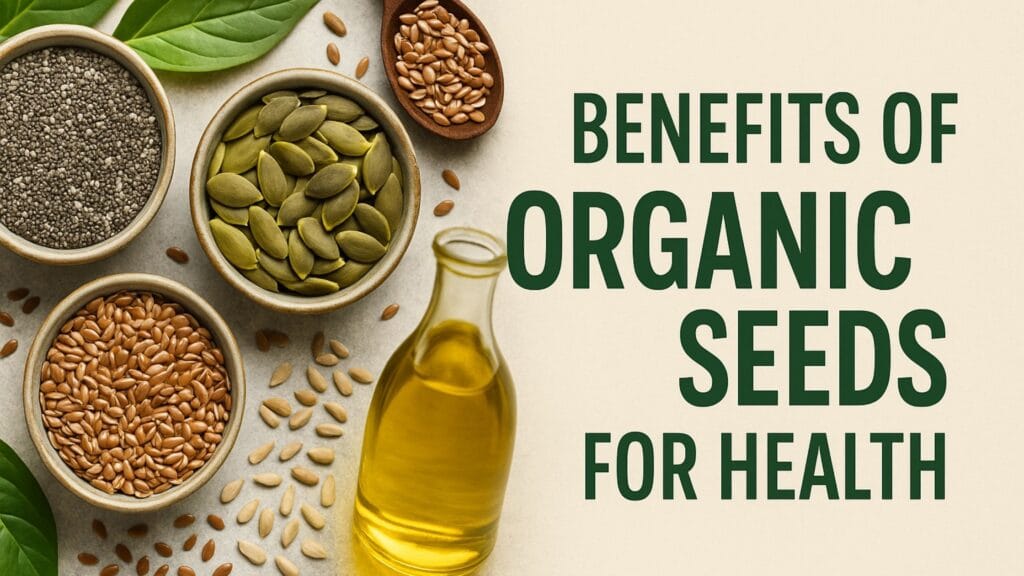
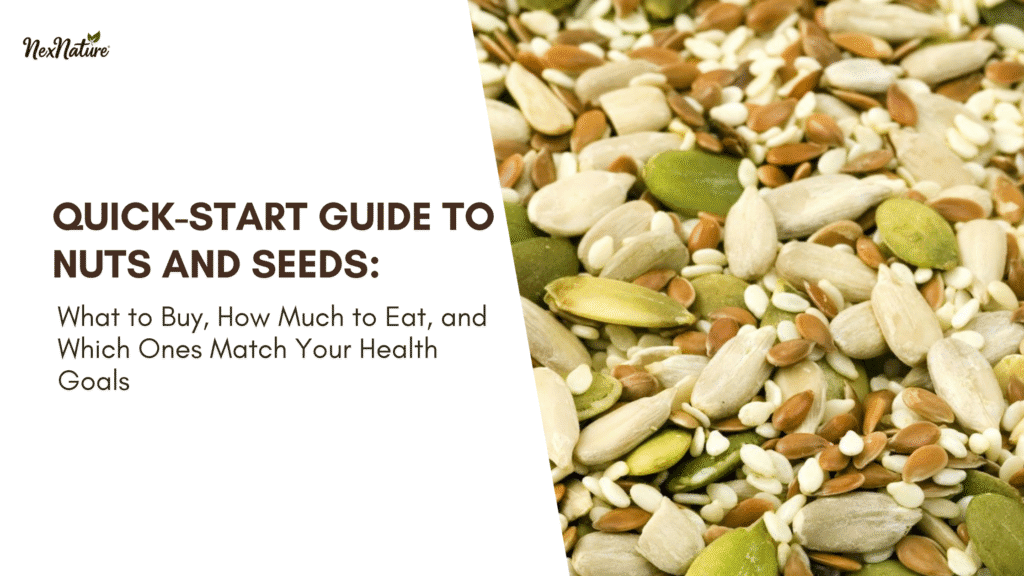
One of the simplest ways to improve nutrition that make it through real life is nuts and seeds. No prep. No cooking. Consistent and practical fuel.
Most beginners don’t know if nuts and seeds are healthy or not. Well, it’s the challenge of deciding which ones to buy, how much to eat before it’s too late and whether soaking or “activating” is really that important when it comes to “raw food”.
The short answer is to begin with almonds, walnuts and chia or flax seeds. Consume 1-2 small portions per day. Add them to foods that already contain them. That’s all you need and you don’t need to become an expert to cook in a way that boosts fiber, healthy fats and will make you feel satiated without creating a kitchen lab.
Match Your Choice to a Real Goal
That is a common mistake made by all beginners. They purchase a large pack of the superfood mix because all blogs tell them they should have chia, hemp, Brazil nuts, flax, pumpkin seeds, almonds and tiger nuts at the same time! After that, the bag goes quietly missing in the back of the cabinet.
Rather, choose as per what you want to repair.
For Heart Health
Acceptable substitutions: Walnuts, almonds, pistachios, flaxseeds, chia seeds
Walnuts are a source of alpha-linolenic acid (ALA), a plant-based omega-3 fat that has been shown to provide heart health benefits time and time again. They are easy to eat, plentiful and versatile, and can be consumed daily without any need for a recipe.
Swap out biscuits or chips for a small handful of almonds and some fruit for afternoon snack. Simple change, significant difference in fiber, healthy fat and fullness (no meal prep needed).
The most common mistake is the purchase of honey-roasted or sugar-coated version of honey and assuming that it retains the same advantages. The long term better option is to go plain or lightly salted.
For Protein and Fitness
Table 2 and 3 show how many calories are in various nut butters.
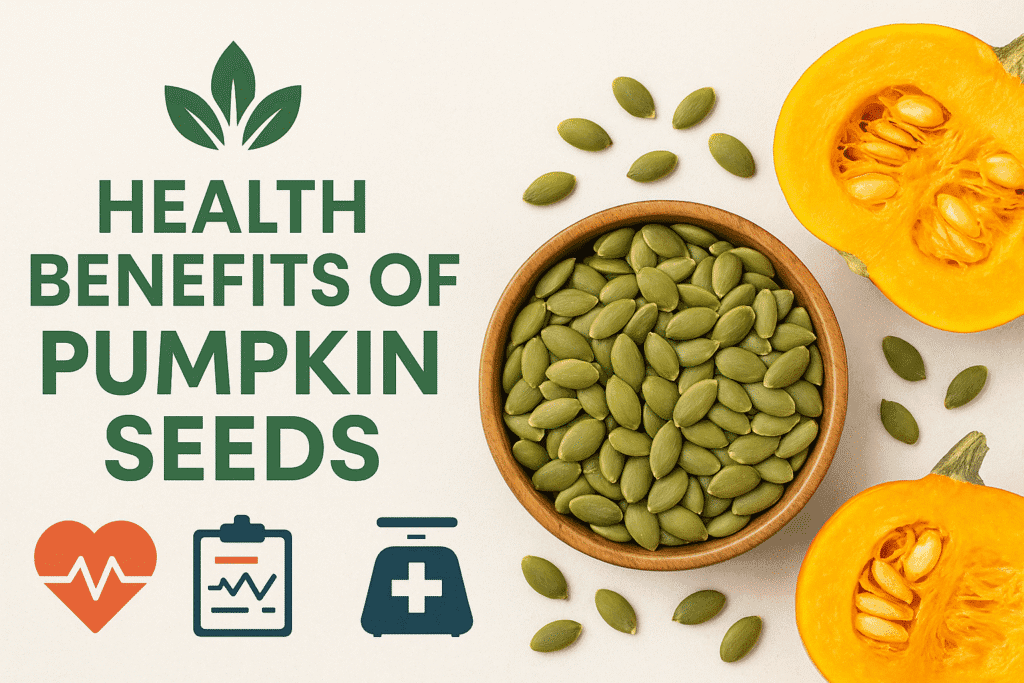
Hemp seeds provide approximately 10 grams of protein per serving, in addition to omega-6 and 3 fatty acids. Pumpkin seeds are a good source of magnesium and zinc, which are two minerals often lacking in the diet of active individuals.
Simplest upgrades: Serve yogurt with pumpkin seeds, peanut butter on toast, or have roasted peanuts on hand in your bag. A good protein kick without any cooking!
Beware of: Healthy Food = Unlimited Snacking. Nuts are calorie-dense. The #1 reason for hitting calorie goals by mistake is to eat from large containers while distracted. Pre-portion before eating.
For Digestion and Fullness
Best options: Chia seeds, flaxseeds and almonds
These contain a lot of fibre and slow down the rate of digestion, helping to make you feel full for longer. Chia and flax are particularly beneficial when having the typical morning meal doesn’t leave you feeling satiated by the time lunch arrives.
Easy swap: Replace sugary cereal with oats and add chia seeds, walnuts and fruit. Fibre, fat and protein combine to digest slower, keeping hunger at bay much longer.
Note: Fiber levels should NOT be drastically raised in a single sitting. However, if you are not used to eating a lot of fiber, it may lead to bloating or discomfort to eat a lot of chia or flax at once. Do this in a gradual manner and consume sufficient amounts of water.
For Eating Healthy on a Budge
Most wellness content tacitly takes for granted you have a lot of money in your pocket for groceries. You don’t need to.
The seeds that are the best low cost choices are peanuts, flaxseeds, sunflower seeds and sesame seeds.
Although peanuts belong to the legume family, they provide some of the same health advantages as tree nuts — at a more affordable price. Flaxseeds are cheap, rich in fibre and contain high amounts of omega-3.
Simple strategy: Select one nut and one seed. Use them daily. Better than purchasing 12 high quality ones you will never manage to use.
How Much Nuts and Seeds Should You Actually Eat ?
Most articles get fuzzy around the edges there. Until a handful becomes the size of a small bowl, “A handful” seems easy.
Practical daily target:
- Nuts: 1 ounce (about 28 grams)
- Seeds: 1 to 2 tablespoons
What one serving looks like:
| Food | One Serving |
|---|---|
| Almonds | 20–24 nuts |
| Walnuts | 14 halves |
| Pistachios | ~49 nuts |
| Chia seeds | 1 tablespoon |
| Flaxseeds | 1 tablespoon |
| Pumpkin seeds | 2 tablespoons |
If you don’t currently consume any, an extra serving each day is a huge step forward. Don’t need to strike a perfect number from the off.
Raw vs Roasted vs Soaked: The Practical Truth
This is a topic that seems to be a spiritual division on the internet. So Here’s the REAL thing.
Raw vs dry-roasted: Raw nuts and seeds have a slight advantage in that they contain more heat-sensitive nutrients. For most purposes, dry-roasted are just as nutritious, easier to eat and longer lasting. Wellness content makes it look larger than it really is.
Best option: Purchase the one that you will eat all the time. Untouched food makes no nutritive value!
To soak or not to soak? Most healthy adults: no. Soaking can make some people feel better in their skin or aid with digestion for others, but the online claim everyone needs to soak to “unlock nutrients” is a misguided exaggeration.
There is one true exception: Flaxseeds will need to be ground before consuming them. The whole flax generally goes through your digestion unbroken, and so the nutrients are not absorbed by your body. Ground flax is a cheap and convenient way to add to oats or yogurt.
Adding Them to Meals Without Overcomplicating Things
The building of sustainable habits involves making things as easy as possible. The aim is to add them to your existing food habits rather than creating a whole new food habit.
Snacks: Fruit salad, water, and fruit smoothies; Snack bars with all natural ingredients; Organic fruit and veggie sticks with dairy-free hummus.
Dinner: Pumpkin seeds with salad or sesame seeds on rice bowls
Snacks: Almonds with fruit, roasted chana with peanuts.
Dinner:Crushed peanuts on stir-fry, cashews as a sauce/curry
That’s the complete system. No specialty shopping. No weekend “meal prep” binges.
Mistakes That Quietly Derail Beginners
Purchasing excessive quantities of different varieties. Six nut butters and an imported trail mix mix are not necessary. Choose 2-3 and stick to them.
Considering nuts as “free calories. There are still fats that are healthy. The top reason why people don’t obtain the results from an otherwise good diet change is the size of the portions.
Becoming a victim of health marketing. There’s a lot of foods that are advertised as “healthy snacks” that are essentially dessert in disguise. Beware of additional sugars, syrups, chocolate coatings and too much salt. The basic ingredients often prevail.
Neglecting risks and allergies. Nut allergies are potentially serious. Young children can choke on whole nuts. It’s important to remember that while Brazil nuts are an excellent source of selenium, you shouldn’t eat too many in one day (more isn’t always better).
Final Decision
| If you want… | Choose… |
|---|---|
| Easy all-purpose snacking | Almonds |
| Heart-health support + omega-3s | Walnuts |
| More protein for fitness | Pumpkin seeds or hemp seeds |
| Better digestion and fullness | Chia or flaxseeds |
| Best budget-to-nutrition ratio | Peanuts |
The rarest or most expensive nuts or seeds are not the best. They’re the ones that you can afford, eat and portion without accidentally turning a healthy snack into a 600 calorie side quest. Start simple. Stay consistent. It’s the routine rather than variety that counts.