
Not all protein sources for post-workout recovery have to be in a tub with a scoop on top. The seeds are among the most underutilized and often misunderstood types of sports nutrition — and when it comes to getting back to full fitness faster, reducing inflammation, and helping muscles to repair, you can do more with the proper seeds than you think.
The critical point: not every seed is the same for recovery and protein content is not the only factor. There is a different seed for each problem — muscle protein synthesis, mineral replenishment, inflammation reduction, or calorie density — and the best high protein seeds for post workout recovery will address each of those issues. It’s the knowledge of the difference that will make the difference between scattering seeds on your yogurt and hoping for the best and smart post workout nutrition.
Why Seeds Deserve a Place in Your Post-Workout Nutrition
Your body is undergoing a number of concurrent recovery processes, such as muscle protein synthesis, glycogen repletion, tissue repair, and mineral replenishment following training. The majority of post workout information is solely about protein. That’s not the whole story.
Seeds work on multiple levels of recovery:
- The building blocks of body tissue and proteins for muscle repair and synthesis.
- Take omega-3 fatty acids to lessen inflamed muscle pain during physical activity.
- Heavy training and critical for muscle function and testosterone are depleted by magnesium and zinc.
- Calorie density for energy replacement with minimum food volume
- To help transport oxygen and for endurance.
It’s a combination that’s what’s making it increasingly popular in sports nutrition research and sports diets.
The Best High-Protein Seeds for Post-Workout Recovery: Ranked
In this straight up comparison of the top seeds by protein, some of the most important recovery nutrients and their best use case:
| Seed | Protein (per 28g) | Key Recovery Nutrient | Best Recovery Role |
| Hemp seeds | ~10g | Complete protein, omega-3 | Primary protein + anti-inflammatory |
| Pumpkin seeds | ~9g | Magnesium, zinc, iron | Mineral recovery + muscle function |
| Sunflower seeds | ~6g | Vitamin E, selenium | Antioxidant + oxidative stress |
| Chia seeds | ~5g | Omega-3, fiber, calcium | Inflammation control + hydration |
| Flaxseeds | ~5g | ALA omega-3, lignans | Anti-inflammatory + hormonal support |
| Sesame seeds | ~5g | Calcium, magnesium, zinc | Bone health + mineral replenishment |
1. Hemp Seeds — The Strongest Plant-Based Recovery Seed
Hemp seeds are the most complete protein source among the seeds and have all nine essential amino acids (EAA) along with significant levels of leucine, one of the nine EAA that has the most direct link to muscle protein synthesis. That is one aspect of them being very beneficial in post-workout recovery of plant foods.
28g of hemp seeds provides about 10g of protein, as well as omega-3 and omega-6 fats that are present in almost the correct proportions to help limit inflammation. Hemp’s protein is complete, meaning you don’t need to mix it with another protein to obtain all of your essential amino acids.
How to Use Hemp Seeds Post-Workout
- Include in a post workout smoothie made with soy milk, banana, oats and pea protein (3 tablespoons)
- Add to Greek-style soy yogurt and stir in the berries.
- Add to OATS made overnight before training
2. Pumpkin Seeds — The Recovery Mineral Powerhouse
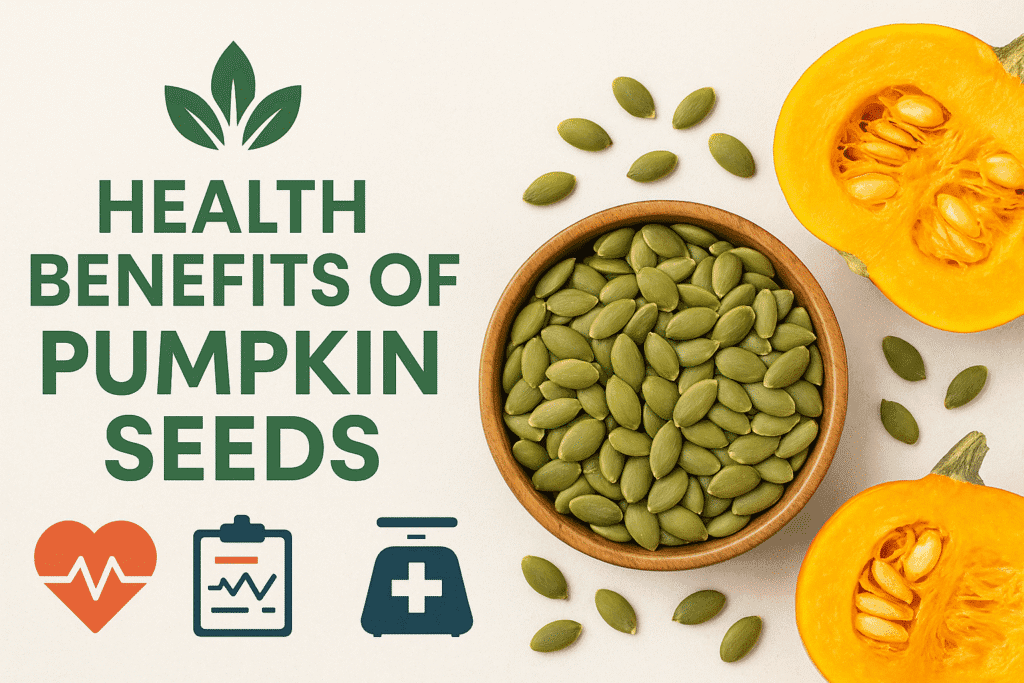
Most of the people are just focused on the protein content of the seeds and don’t bother to discuss the health benefits of pumpkin seeds in post workout routines. That is a big plus they have for recovery — they are one of the richest sources of magnesium and zinc, both of which are depleted by intense training, and that most gym-going adults are poor in.
Magnesium promotes relaxation in muscles, restful sleep and energy metabolism. Zinc promotes Testosterone production, immune function and tissue repair. In fact, 28g of pumpkin seeds provides about 37% of all daily magnesium requirements, and more than 20% of zinc, making them, arguably, the most recovery-focused seed on the market.
How to Use Pumpkin Seeds Post-Workout
- Consume it as an individual snack after training (within 1 hour) – 28g (small handful).
- Serve as a side dish on a grain bowl with Tofu, edamame and rice for a complete recovery meal.
- Add hemp seeds to a recovery smoothie for joint protein and mineral support.
3. Sunflower Seeds — Antioxidant Defense After Hard Training
During exercise, free radicals are formed, which leads to oxidative stress on muscle tissue. This is normal and part of the adaptation, but if there is too much oxidative stress, recovery is delayed and there are more chances of being sore. Sunflower seeds provide a great source of vitamin E, a fat soluble antioxidant that directly neutralizes oxidative damage after exercise, in the diet.
Sunflower seeds are not the protein powerhouse with approximately 6g of protein per 28g serve. They provide antioxidant protection and delivery of vitamin E, but have significant amounts of selenium and B vitamins. Their function for athletes who engage in a high volume of training is more to support the recovery environment, rather than directly stimulate protein synthesis.
How to Use Sunflower Seeds Post-Workout
- Serve on salads or grain bowls as a crunchy topping
- Add pumpkin seeds and almonds to homemade trail mix
- Add sunflower seed butter to a post workout smoothie for calories
Ideal for: Endurance athletes, high volume lifters, or individuals who experience significant muscle soreness in their training.
4. Chia Seeds — Inflammation Control and Hydration Support
The main focus of the market of chia seeds is the protein content. That’s not their top comeback resume item. Their true benefit after exercising is the presence of omega-3 fatty acids, specifically ALA (alpha-linolenic acid) which can have a regulating effect on the post-workout inflammatory response.
Inflammation is a controlled process during exercise that is adapted. However, over-inflamed or chronic inflammation delays the healing process, makes injuries more likely, and prolongs soreness. Along with fiber, calcium, and hydration support, chia seeds aid in managing that process.
How to Use Chia Seeds Post-Workout
- Plan to make chia puddings the night before training with soy milk, berries, and protein powder.
- Add 1-2 tablespoons to smoothie for recovery.
- Add to post-workout oatmeal with hemp seeds to get a protein and Omega-3 boost.
5. Flaxseeds — Anti-Inflammatory Recovery Support
Flaxseeds are the highest source of plant-based ALA omega-3 fats and also contain a group of plant compounds (lignans) that have anti-inflammatory and antioxidant properties. Flaxseeds add an extra recovery component that is not found in many other seeds and is beneficial for athletes who want to focus on long term performance, joint health, and muscle repair.
One of the things that they’re not known for is their protein content (~5g/28g). Flaxseeds are a tool for recovery: They combat inflammation, help balance hormones with the help of lignans and provide fibre for digestive health — something that many people don’t consider as important when it comes to recovery.
How to Use Flaxseeds Post-Workout
- Only use ground flaxseeds — do not use the whole flaxseeds as they pass through the digestive tract mostly intact.
- In post workout smoothies or oatmeal, add 1 tablespoon ground flax
- Keep ground flax in the fridge in a sealed container – the ground flax oxidises rapidly at room temperature.
Ideal for: Lifters who experience pain in their joints, have had many training sessions in a single week, or who don’t recover well from training due to a chronic condition of inflammation.
How Much to Eat and When: Practical Post-Workout Guidance
Seeds are best enjoyed as part of a full meal after exercising, and not as a snack. The evidence and experience points to the following:
| Timing | What to Eat | Target |
| Immediately post-workout (0–30 min) | Protein smoothie with hemp seeds + fruit + soy milk | 30–40g protein + fast carbs |
| 1–2 hours post-workout | Grain bowl or tofu rice bowl + pumpkin seeds | 30–40g protein + complex carbs |
| Evening / pre-sleep | Soy yogurt + chia seeds or flaxseeds | Anti-inflammatory + recovery support |
Eating just protein after the workout is the most common post workout pitfall. Training depletes glycogen. Without carbs, recovery takes a hit, training takes a hit and seed or protein powder will not make up for it. For optimum recovery effect, always use protein seeds in conjunction with a carbohydrate source.
Best Seed Combinations for Post-Workout Recovery
The Complete Recovery Smoothie
- 1 cup soy milk
- 1 banana (fast carbs + potassium)
- ½ cup oats
- 3 tbsp hemp seeds
- 1 scoop pea/rice protein blend
- 1 tbsp pumpkin seeds
How it works: protein from hemp and pea protein, carbohydrates from banana and oats, recovery minerals from pumpkin seeds and calorie density for replenishing energy. This is much more effective than just seeds!
High-Mineral Recovery Bowl
- Cooked jasmine rice
- 150g firm tofu, pan-fried
- Edamame
- 2 tbsp pumpkin seeds + 1 tbsp sesame seeds
- Avocado
- Light soy sauce or teriyaki
How it works: Complete protein from Tofu and Edamame, digestible carbs from rice, magnesium and zinc from pumpkin seeds and healthy fats from avocado. This meal will provide almost all of the post-workout nutrition requirements in one dish.
Mistakes That Reduce the Recovery Value of Seeds
Mistake 1: Relying on Seeds as Your Primary Protein Source
This is the largest misconception. If you’re looking for 30-40g of protein in seeds alone, you’ll have to consume a lot and a lot of calories. Seeds are protein boosters and recovery maintainers — use them in addition to other protein sources like tofu, tempeh, soy foods or a plant protein blend. Use them as strong enhancements, not bases.
Mistake 2: Eating Whole Flaxseeds
Whole flaxseeds are not digested. The omega-3s, lignans and fiber continue to be unavailable. Always use ground flaxseeds. Grind fresh in a coffee mill or purchase pre-ground and keep in the fridge.
Mistake 3: Buying Salted or Flavoured Seed Products
Seed mixes for commercial use and roasted seed snacks are typically high in sodium, sugar coating and seed oils which diminish the recovery value. Check ingredient labels. Use raw or dry-roasted unsalted ones for post-workout.
Mistake 4: Eating Seeds Without Carbohydrates
If you are not eating carbohydrates after your training session, then your glycogen level will not be replenished. This is a problem not necessarily with seed in particular, but a lack in recovery strategy as a whole that seed cannot solve. Carbohydrates always go with protein after exercise.
Which Seed Is Right for Your Recovery Goal?
| Recovery Goal | Best Seed | Why |
| Maximum protein per serving | Hemp seeds | Complete protein, highest density |
| Mineral recovery (mag/zinc) | Pumpkin seeds | Best source of training-depleted minerals |
| Inflammation reduction | Chia + flax | Highest omega-3 anti-inflammatory fats |
| Antioxidant protection | Sunflower seeds | Richest seed source of vitamin E |
| All-round recovery support | Hemp + pumpkin | Protein + minerals combined |
| Budget-friendly option | Sunflower seeds | Low cost, high vitamin E and protein |
FAQs: High-Protein Seeds for Post-Workout Recovery
Q1: Can seeds replace protein powder after a workout?
Not a direct substitute as it is not really effective. Though protein powder is great to combine with seeds, it’s hard to get 30-40g of protein with just seeds. Instead of using seeds as a protein substitute, use them to complement a recovery meal or smoothie.
Q2: Which seed has the most complete protein for muscle repair?
Hemp seeds. They are the richest plant-based proteins in the seed category and the most easily available for post-workout muscle protein synthesis, thanks to all nine essential amino acids they contain, including significant amounts of leucine.
Q3: How soon after a workout should I eat seeds?
As part of a complete recovery meal within 1–2 hours post-training is ideal. In cases where training runs into the meal time, it is a great idea to supplement with a recovery smoothie that includes the hemp seeds and soy milk within 30-60 minutes after exercise. It’s the total amount of protein that’s important, not necessarily when.
Q4: Are seeds good for muscle recovery if I’m not vegan?
Absolutely. All athletes, regardless of diet, will find recovery nutrients relevant in the seeds, such as magnesium, zinc, omega-3 fats and antioxidants. Hemp and pumpkin seeds are particularly good to add to any post workout nutrition plan as a complement to other protein sources.
Final Thoughts
Post workout seeds with high protein content are not interchangeable. Hemp is a leader in protein and amino acid completeness. Pumpkin is a source of recovery minerals. Chia and flax are the leading two in terms of inflammation management. Sunflower tops the list of antioxidants.
The mistake most people make is treating seeds as a uniform “healthy addition” rather than functional recovery tools with specific strengths. Match the seed to the recovery goal, combine it with a real protein anchor and carbohydrates, and you have a genuinely effective post-workout nutrition strategy that most gym-goers overlook entirely.
If you’re training for size and strength, begin with hemp and pumpkin seeds. If you have a lot of training volume, inflammation and soreness are causing you not to make progress, add chia or flax. Have sunflower seeds for antioxidant support during challenging training blocks. Make it a habit to add 2-3 seeds to every post-workout meal and you’ll start to see the recovery you’re getting in your training within the first couple of weeks.