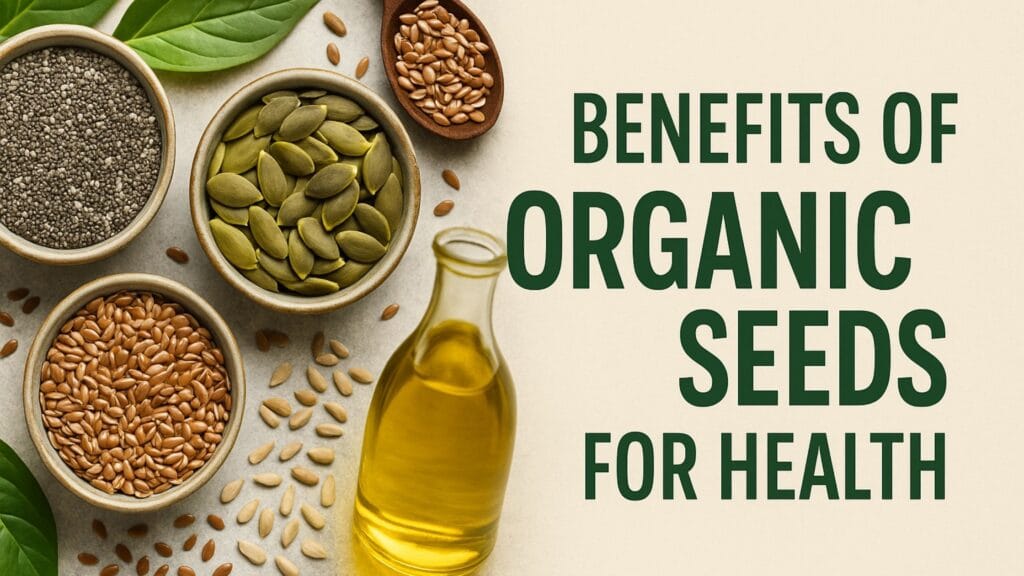
Pumpkin seeds, flaxseeds, chia seeds, sunflower seeds and sesame seeds are the best seeds for hair growth and thickness. Both provide a unique blend of nutrients, zinc, protein, omega-3 fatty acids, iron, selenium and vitamin E, which all contribute to healthy follicles and minimized nutritional hair shedding.
Before getting in the weeds, one caveat: seeds fill the nutritional voids. They are not able to reverse genetic baldness, hormonal hair loss or medical issues. However, if thinning hair or hair loss is due to a poor diet, then these five seeds are some of the most versatile foods to incorporate.
Why Seeds Support Hair Growth
Hair follicles are living tissues that are active. They require a constant source of nutrients to accomplish every growth period. If too little food is consumed, the follicle may go into a resting stage early, resulting in lighter hairs or shedding.
The top three nutrients where deficiencies are associated with hair issues:
- Zinc — disrupts the growth cycle, speeds up shedding
- Iron — reduces oxygen delivery to follicles
- Protein — hair is made almost entirely of keratin, a protein
- Omega-3 fatty acids — linked to scalp inflammation and dry, brittle strands
- Vitamin E and selenium — oxidative stress damages follicles over time
Most of this has been summarized in the form of seeds, which you can add in small bite-size amounts.
1. Pumpkin Seeds — Best for Hair Fall and Thinning
Why They Work
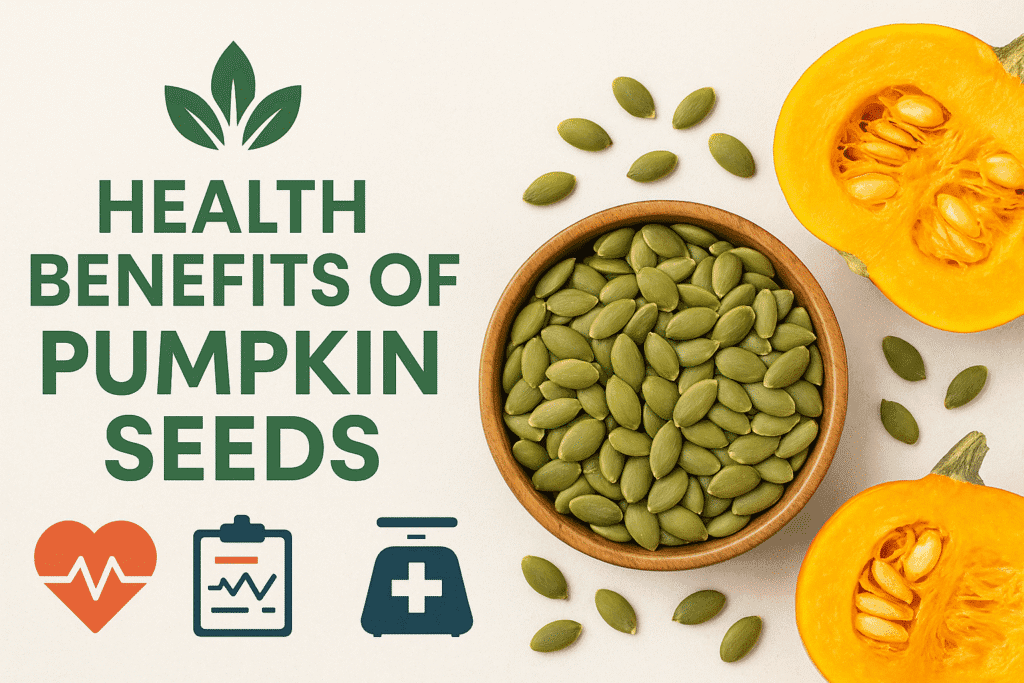
Pumpkin seeds are one of the richest plant sources of zinc. They are also a source of magnesium, healthy fats, and antioxidants. One of the more common, correctable causes of excessive hair loss is zinc deficiency, and it plays a direct role in the growth cycle of the hair follicles.
Pumpkin seeds also have a compound called cucurbitin, which has been studied for its association to DHT, a hormone associated with male and female pattern thinning that has not been extensively studied in humans.
Best For
- Noticeable hair shedding
- Hair thinning across the scalp
- Vegetarians and vegans with low zinc intake
How to Use
- 20 to 30 grams daily (roughly a small handful)
- Add to salads, oatmeal, yogurt, or roasted vegetable dishes
- Choose unsalted, raw, or lightly roasted
What Most Articles Skip
Plant based zinc is less well absorbed than animal based zinc. Pumpkin seeds are a valuable contribution to a mostly plant-based diet, but if diet requires further consideration.
2. Flaxseeds — Best for Dry Scalp and Breakage
Why They Work
Flaxseeds contain the greatest amount of alpha-linolenic acid (ALA) in the plant kingdom. Omega-3s keep the scalp from getting too inflamed, help support the lipid barrier and increase hair elasticity. Fatty acids are responsible for maintaining healthy, soft, and shiny hair and hair health is reflected in brittle dry hair which snaps easily.
Best For
- Dry, flaky scalp
- Hair breakage along the shaft
- Dull, low-sheen hair
How to Use
- 1 to 2 tablespoons daily
- Must be ground before eating — whole flaxseeds pass through digestion largely intact and deliver far fewer nutrients
- Mix into smoothies, porridge, or yogurt; stir into dough or batter
Common Mistake
Purchasing whole flaxseeds and consuming them as whole seeds. Ground flaxseed (or flaxseed meal) is totally different when it comes to nutrients being absorbed. This is the one most common error on this seed.
3. Chia Seeds — Best for Hair Thickness
Why They Work
Chia seeds are a rich source of plant protein, zinc, iron, omega-3 fat and antioxidants in a small amount. Hair strands are made up of 95% protein (keratin) – which means a lack of protein has an immediate impact on the thickness and strength of each strand.
Chia seeds are one of the more complete and nutritious choices for protein and minerals that hair needs, for those who consume primarily plant materials.
Best For
- Fine or thin-looking hair
- Hair that grows slowly or snaps easily
- Plant-based eaters with low protein variety
How to Use
- 2 tablespoons daily
- Soak in water or milk for 15 to 20 minutes before eating to improve digestibility
- Works well in overnight oats, smoothies, or puddings
Realistic Expectation
Don’t expect existing fine hair to get twice its diameter. If sufficient overall protein is provided, however, regular consumption over three to six months may help to produce more robust, better organized new growth.
4. Sunflower Seeds — Best for Scalp Protection and Shine
Why They Work
Sunflower seeds are one of the most nutrient rich foods for vitamin E, which acts as an antioxidant and helps shield the follicle cells from oxidative damage from pollution, the sun’s UV rays and chronic low-grade inflammation. They are also a good source of selenium, another antioxidant mineral that is associated with follicle health.
There are many hair-growth guides that do not pay any attention to scalp protection. It is important to keep the environment of the hair follicles healthy in order to facilitate growth. Weak or chronically inflamed scalp tissue yields less and shorter growth cycles.
Best For
- Dull, lackluster hair
- Scalps exposed to frequent heat styling or environmental stress
- Anyone with a low antioxidant diet
How to Use
- A small handful daily (around 20 grams)
- Add to salads, trail mix, or grain bowls
- Choose unsalted to avoid excess sodium
5. Sesame Seeds — Best for Broad Nutritional Coverage
Why They Work
Sesame seeds pack a broad array of minerals: iron, zinc, magnesium, calcium, and B vitamins all in one food. Sesame seeds offer nutritional diversity for individuals who don’t have a diverse diet (which is common with busy lifestyles or for those who have certain dietary restrictions).
They are also one of the most versatile culturally used seeds, and it is easier to use them on a daily basis than other less familiar seeds.
Best For
- General hair maintenance
- Broad nutritional support across multiple deficiencies
- Long-term scalp health
How to Use
- Sprinkle on vegetables, rice, or flatbreads
- Mix into seed blends or trail mixes
- Use tahini (ground sesame paste) as a practical daily source
Which Seed Is Right for Your Hair Problem?
| Hair Concern | Best Seed | Key Nutrient |
|---|---|---|
| Excess shedding | Pumpkin seeds | Zinc |
| Dry scalp or breakage | Flaxseeds | Omega-3 fatty acids |
| Thin or weak strands | Chia seeds | Protein, zinc, iron |
| Dull hair, scalp damage | Sunflower seeds | Vitamin E, selenium |
| General nutrition gap | Sesame seeds | Iron, zinc, magnesium, B vitamins |
How to Use Seeds Effectively: A Simple Framework
Step 1 — Pick Based on Your Main Problem
Use the table provided above. Do not incorporate all five seeds in one go, instead begin by incorporating one seed to address a main concern with you hair.
Step 2 — Be Consistent for at Least 8 to 12 Weeks
Hair grows slowly. The follicle cycle is a process that takes place in weeks to months. A realistic time frame is something like this:
- 4 to 8 weeks: nutritional levels begin improving
- 8 to 12 weeks: reduced shedding may become noticeable
- 3 to 6 months: visible changes in density or texture are possible
Anyone expecting visible results in two to three weeks will be disappointed.
Step 3 — Pair Seeds With Adequate Protein
Seeds aren’t a complete protein source. Your total protein intake is as important as any particular seed when it comes to making up hair. Combine with eggs, dairy, legumes, fish, or soy foods as per your preference.
Step 4 — Rotate Seeds Throughout the Week
A mix from different sources throughout the week provides more nutrient coverage than using one type.
What Seeds Cannot Do
This is the most important, but most overlooked section of any article about hair growth.
Seeds will not help with:
- Androgenetic alopecia (genetic pattern baldness)
- Alopecia areata (autoimmune hair loss)
- Thyroid-related shedding
- Telogen effluvium from severe stress or illness
- Hair loss caused by medications
Consult a dermatologist or healthcare provider if you are seeing new balding, spots of hair loss or continued shedding that has not improved after several months of trying diet changes. Nutritional support is a good basic programme, but not a substitute for medical assessment.
Frequently Asked Questions
Can seeds regrow hair on bald patches?
Not typically. Seeds are used to cure malnutrition, which is a cause of shedding. They can’t reverse follicle damage or inherited hair loss.
How much seed should I eat daily?
The daily target for most seeds is 1-2 tablespoons. Don’t assume that more is better, and can be an extra calorie.
Should I eat seeds raw or roasted?
Both work. Select light roasted or raw, unsalted varieties. Some nutrients may be lost if the beans are roasted too heavily.
How long before I see results?
Wait for 3 to 6 months for any significant, noticeable changes to occur. Hair grows about one to 1 ½ cm per month if it is in good condition.
Do I need to eat all five seeds?
The answer is No. #1 – Begin with the seed that corresponds to the primary concern. Incorporating diversity over time can expand nutrient coverage.
Final Thoughts
Food does not come in the form of seeds unless they are in a leafy packet. These are among the most practical, affordable and nutrient-rich supplements you can take to improve your hair health.
Use the seed that is best suited to your particular hair concern. Be consistent for at least 3 months. Combine seeds with good protein food and a well-balanced diet. If you notice any hair loss is heavy or unexpected, consider nutrition as supportive, not the definitive treatment.
Note: This article is for informational purposes only. Consult a registered dietitian or sports nutritionist before making significant changes to your nutrition plan.