Don’t need to get chicken breast, whey shakes or 6 eggs at sunrise to build muscle. But, what you really need is a plant-based system that addresses three essential factors all at once: adequate overall protein levels, sufficient caloric intake, and adequate levels of anabolic signaling to ensure consistent recovery and growth.
The majority of people do not know how to gain muscle from plants because they have an unknowing diet that is focused on wellness, rather than hypertrophy. The outcome is obvious: you’re eating a lot of the same foods and salads all day, the protein you eat is unpredictable, and your body is stuck.
Recent studies have shown that plant-based athletes can get the same muscle building effect if they manage their protein consumption, leucine intake, and meal structure appropriately. This is a guide on how to do just that.
Why Plant-Based Muscle Gain Feels Harder Than It Should
Most bulking failures are due to three practical problems, all of which can be solved.
1. Satiety Overload
A whole food vegan diet is very satisfying! It’s good for fat loss and bad for gains. One of the biggest things that you need to understand when you’re in the clean plant phase is that you can consume a lot of food, but not a lot of calories!
Symptoms of this: weight will not gain, training sessions are not as effective, recovery takes longer and strength doesn’t improve for weeks for no apparent reason.
2. Low Protein Density
A chicken breast with 200g contains about 60g of protein. About 18g comes from 200g of cooked lentils. For anyone who has to go to whole foods to get 140–160g of protein per day, the math becomes a real challenge. It’s not that you’re doing anything wrong—it’s just that the numbers are more challenging.
3. Lower Leucine Per Serving
Leucine is the amino acid that stimulates muscle protein synthesis. Typically, plant proteins have a lower leucine content which may require more of a serving or a combination of protein sources to produce the same anabolic signal as whey or meat.
The Plant-Based Muscle Gain Blueprint
Step 1: Hit Total Daily Protein First
This is more important than when you eat, supplement stacks or training split optimisation. To build muscle, aim for 1.6 to 2.2 grams of protein per kg of body weight per day. For a 75Kg person it would be 120-165g of protein per day.
Have a protein anchor that is a primary source of protein for each meal:
- Tofu and tempeh — Tofu and tempeh are high-protein, versatile and a great source of amino acids.
- Soy milk and edamame — Soy milk or edamame is a simple liquid protein or snack protein.Soy milk or edamame is a simple liquid protein or snack protein.
- Seitan — Made from a high plant protein density.Based on highest plant protein densities.
- Pea/rice protein blends — Pea/rice protein (digestible and complete when combined)
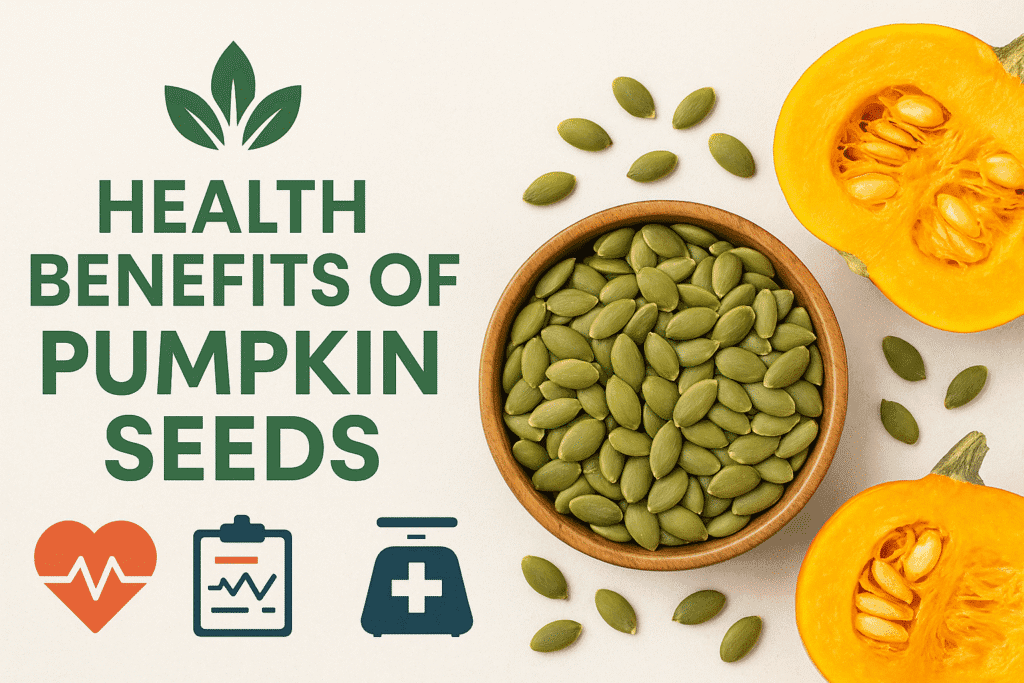
- Hemp seeds and pumpkin seeds — Hemp seeds and pumpkin seeds are rich in protein and the minerals needed for recovery.
Step 2: Understand the Leucine Threshold
No laboratory precision requires, but appropriate sized meals need to be present. Most plants guys are underdosing, eating meals that have 15-20g of protein and calling it a “protein meal. Feed 30-45g per feeding, 3-5 times a day. This fills up the majority of the leucine gap as a result of the volume and smart source.
Step 3: Use the Seed Strategy
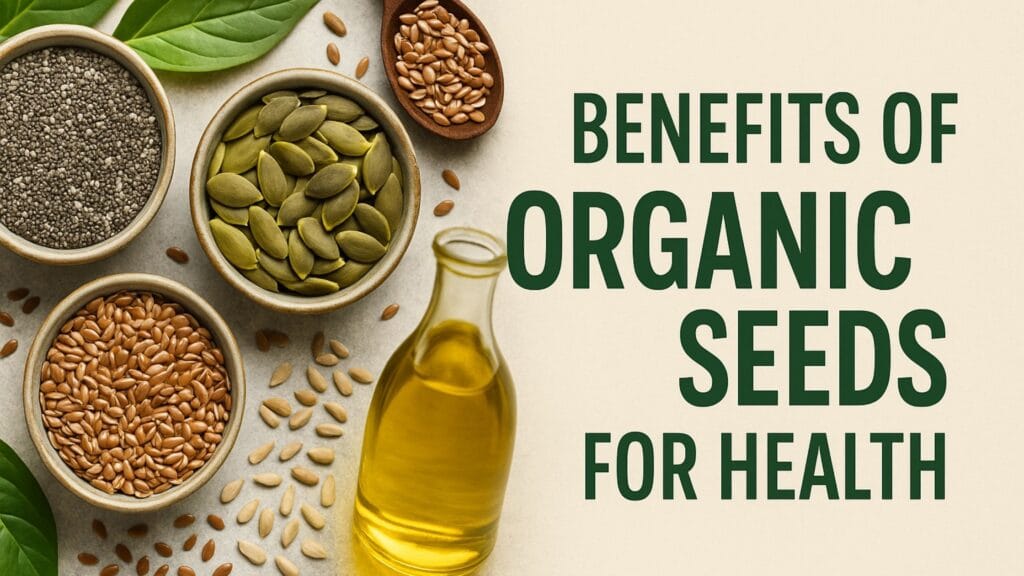
The seeds are one of the least touted muscle-building ingredients — not because they are superfoods, but because they address several issues of hypertrophy in one easily-added, easily-understood format: calorie density, recovery minerals, anti-inflammatory fats and protein enhancement.
| Seed | Key Benefit | Best Use |
| Hemp seeds | Protein + balanced fats | Smoothies, oats, yogurt bowls |
| Pumpkin seeds | Magnesium + zinc + leucine | Post-workout meals, snacking |
| Chia seeds | Omega-3 + calorie density | Puddings, overnight oats |
| Flaxseeds | Anti-inflammatory fats | Ground into smoothies, oats |
| Sunflower seeds | Easy calorie addition | Trail mix, salads, bowls |
The benefit: Hemp seeds contain 3g of protein in every tablespoon without any preparation, and 60 calories per tablespoon. Just two tablespoons of pumpkin seeds after exercise provide substantial amounts of zinc and magnesium, essential for both muscle recovery and the production of testosterone.
What Muscle-Gain Meals Actually Look Like
Repeatable, high calorie and protein anchored is the best formula for plant-based hypertrophy meals. Don’t need to be gourmet.
High-Calorie Breakfast — Oat Bowl
- Oats cooked in soy milk
- 2 tbsp hemp seeds + 1 tbsp chia
- 1 tbsp peanut butter
- 1 scoop pea/rice protein blend
- Banana
Why it works: protein rich, calorie rich, easy to digest and scalable. Increase oats or nut butter on high training days.
Post-Workout Recovery Smoothie
- Soy milk base
- Frozen berries + oats
- Pea/rice protein blend
- 2 tbsp pumpkin seeds
- Peanut butter
The largest drawback to bulking on a plant-based diet is getting 40g of protein and 600+ calories after your workout, without being full before you even get to the end of the glass!
High-Protein Dinner – Tofu Rice Bowl
- 200g firm tofu, pan-fried
- Jasmine rice
- Edamame
- Avocado + sesame seeds
- Teriyaki sauce
The formula: protein anchor, digestible carbohydrates, calorie support, and simple repeatability. This is a template for all meals.
Protein Timing: What Actually Matters
No need to feed every 2 hours. Even though protein distribution isn’t as important, it is important – particularly with a plant-based diet where protein density for each meal is less.
Ideal feeding: 3-5 protein feedings per day, every 3-5 hrs, 30-45g of protein per feeding.
The most important window of opportunity is post workout. Plant power athletes under eat the most here. Training will have allowed your body to prepare for replenishment of glycogen, and building up of protein. In this window, recovery and growth rate is influenced measurably if 30-45g of protein (with carbohydrates and fluids) is reached, which can be achieved by incorporating a blended plant protein if required.
The Four Mistakes That Kill Plant-Based Muscle Gain
Mistake 1: Eating Too Clean
There is a difference between a “eating clean” diet versus a “eating for hypertrophy” diet. Many people are using plant-based ingredients to diet when they aren’t. If weight gain and strength is not occurring, it is almost always due to not putting in enough calories, not enough work in the gym.
Mistake 2: Relying on Fake Meats
Plant-based meat substitutes offer convenience but should not anchor your protein strategy. Many contain incomplete amino acid profiles, lower leucine, and enough sodium to make your face retain water like a Tupperware lid. Use them occasionally, not as a system.
Mistake 3: Ignoring Post-Workout Nutrition
The stimulus is training. Growth happens after. A lot of people that train on plants train hard and then have a lot of coffee and fruit and then wonder why they aren’t recovering. There’s one area in which many vegans are losing ground they gained in the gym – post workout nutrition.
Mistake 4: Expecting Visible Results in Four Weeks
Any diet providing realistic natural hypertrophy should be about 0.25–0.5 kg per month and a small increase in strength. Social media has skewed our perception of what normal progress is. Once the system is functioning, it will eventually prove it – typically by week 8-10.
Practical Decision Guide: Where to Start
| Your Situation | Priority Action |
| Cannot gain weight | Add liquid calories + seed-rich smoothies daily |
| Training hard, no growth | Fix post-workout nutrition and protein distribution |
| Overwhelmed by complexity | 4 protein meals per day + one calorie-dense smoothie |
| Budget constraints | Peanuts, sunflower seeds, soy milk, lentils + grains |
The Bottom Line
It’s not possible or impossible to build muscle on a plant-based diet! Gaining weight on the plant-based diet is not an impossibility! It is a question of engineering. It’s not the plants, it’s the people who are. The absence of structure, calorie density and uniformity of protein is.
After solving the total protein equation, construct your meals according to leucine (which is your new friend), use seeds wisely, and when you can’t help but eat for weight loss, your body will adapt, recover and grow — just like muscles.
Start simple. Four proteinly services throughout the day. One food smoothie, hemp or pumpkin seeds. Progressive training. 8-12 consecutive weeks. That is the foundation that will be superior to any complicated protocol you drop on day eleven.
Note: This article is for informational purposes only. Consult a registered dietitian or healthcare provider before making significant dietary changes, especially if you have an existing health condition.