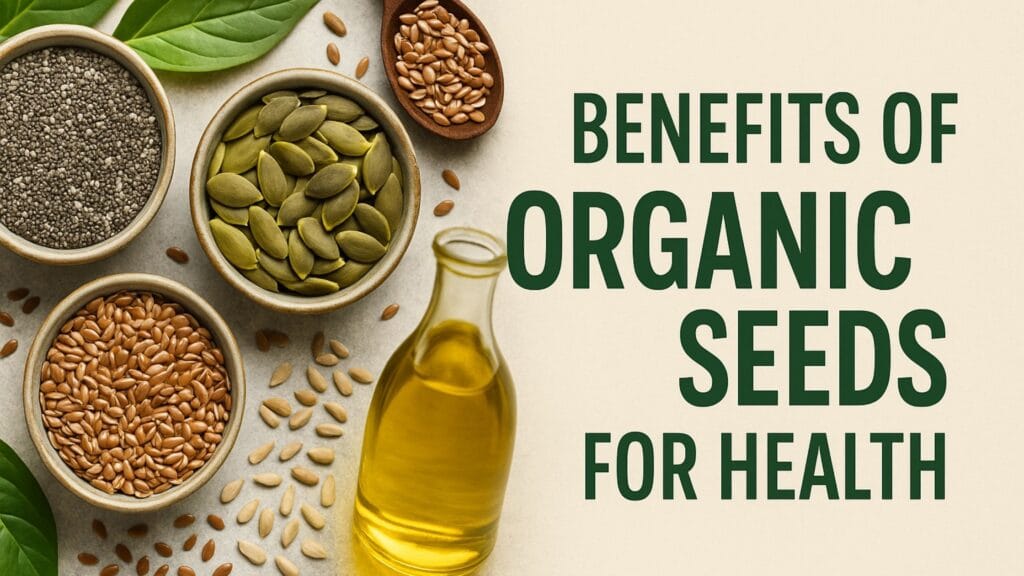
You’ve no doubt heard about seeds while you’ve been doing your research on natural menopause treatments: flaxseeds, pumpkin seeds, sesame seeds — all somewhere between a Pinterest recipe and a medical miracle. The truth is in the middle and by 2026 there’s enough information to actually make informed choices about which seeds are beneficial, what symptoms they address, and how much you really need.
Why Seeds Are Actually Worth Your Attention During Menopause
The amount of estrogen decreases dramatically during menopause. One hormone change sparks a whole host of symptoms: hot flashes, disturbed sleep, mood swings, weight gain around the belly, bone density loss and vaginal dryness.
The seeds come into the picture because they contain a number of them, which are plant substances that have some of the effects of estrogen in the body. They also provide high levels of magnesium, zinc, omega-3 fatty acids, lignans, vitamin E, calcium, and tryptophan—nutrients shown to have a beneficial effect on hormonal control, bone health, mood balance, and sleep quality.
The disclaimer: Seeds are not hormones. Are food-based tools, if used regularly and properly, can help to effectively decrease the frequency and severity of several symptoms. The secret word is always — and what each seed does.
The 5 Best Seeds for Menopause Symptoms (With Specific Uses)
1. Flaxseeds — Best for Hot Flashes and Hormonal Balance
Flaxseeds are the most thoroughly researched of all the seeds. If you experience hot flashes or night sweats often, try flaxseeds.
Flaxseeds are the dietary richest source of lignans, a type of phytoestrogen which has a weak estrogenic effect in the body and can help regulate its metabolism. A study published in PMC (2025) found that flaxseed can be a valuable alternative approach to managing the symptoms associated with perimenopause, and that regular consumption has been shown to bring about improvements in symptoms within 12 weeks.
Although less commonly reported, older studies indicated that women who consumed 40 g of ground flaxseed per day experienced a 35% decrease in hot flash frequency and a 44% decrease in night sweats in women with mild-to-moderate menopausal symptoms. Importantly, a 2004 study showed that flaxseeds may work better than soy in changing estrogen metabolism to help the body more efficiently use and retain estrogen as it decreases.
Another perk for menopausal men: due to their rich fiber content, flaxseeds are beneficial for gut health and blood sugar balance, which can get out of hand during menopause and lead to energy dips and weight gain.
To use: Take 1-2 tablespoons of freshly ground flaxseed each day (daily flaxseed is necessary since the whole seeds will not be absorbed). Add to baked goods, oatmeal, smoothies, or yogurt.
Note: Use ground flaxseed, NOT flaxseed oil. The oil does not have the lignans or fiber that are responsible for a hormonal benefit.
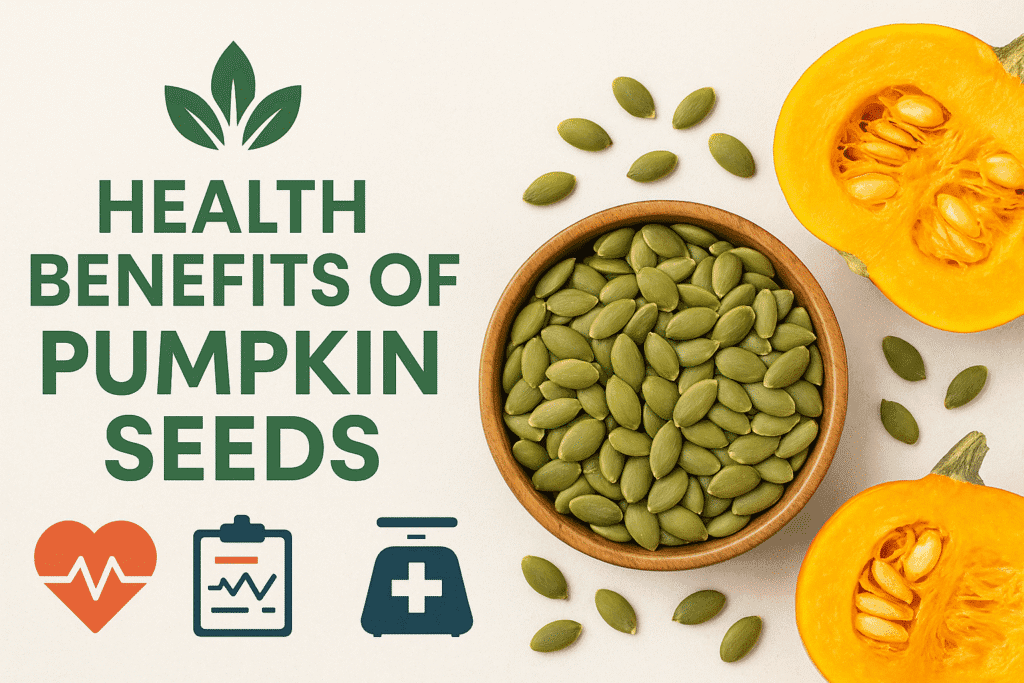
2. Pumpkin Seeds — Best for Sleep and Mood
Over half of the women experiencing menopause report that their sleep is disturbed. Pumpkin seeds are a must-have for troubled sleepers—if you’re one of them, you should definitely add them to your bedtime ritual.
Pumpkin seeds are the source of a nutrient that directly aids sleep: Tryptophan, which is a building block for serotonin and melatonin, is crucial to sleep. And, pumpkin seeds are rich in magnesium which helps relax muscles and activates the parasympathetic nervous system. The research from MedicalNewsToday (May 2025) verified that tryptophan intake of at least 1 g before sleep can significantly enhance sleep quality. Pumpkin seeds have approximately 580mg of tryptophan per 28g (1oz) serving.
However, the magnesium in pumpkin seeds may also help to slow bone density loss, which is a significant issue for women in menopause, and over half of menopausal women have trouble sleeping, making foods that are rich in magnesium extra important at this time. (November 2025)
Pumpkin seeds provide zinc, which aids in the production of FSH and LH hormones (as highlighted in the 2025 PRISMA-guided systematic review on Seed Cycling, published in PMC), and vitamin E, an antioxidant that decreases oxidative stress due to fluctuations in hormones.
The tryptophan-serotonin pathway is also important for mood. Many women suffer from mood swings, irritability and anxiety during perimenopause, which is closely associated with low levels of serotonin.
Use: 1 small handful (28 g) in the evening (as a snack, with yogurt or on a salad). Both raw and lightly roasted have a similar nutrient profile.
3. Sesame Seeds — Best for Bone Health and Cholesterol
A decrease in bone density is one of the most medical important effects of menopause, which increases rapidly during the first several years of estrogen drop. The sesame seed is fortunately uniquely suited to assist.
Sesame seeds are a rich source of calcium (around 87mg in a tablespoon of unhulled sesame or tahini), sesamin and sesamol (lignans that are being researched as antioxidants and agents that affect lipid metabolism, respectively) and zinc (which supports hormones). Alongside flaxseeds, sesame seeds contain the lignans that are phytoestrogens, which are also responsible for the modulation of the estrogen.
A systematic review of 23 randomized controlled trials was performed at the University of Wisconsin that concluded phytoestrogens from lignan-rich foods may have positive effects on bone health in women during menopause. Sesame, for instance, is one of the easiest foods to get calcium from for women who do not have a good tolerance for dairy — which is a common change at midlife.
Another important effect that relates to post-menopausal women: The action of sesame lignans in improving lipid metabolism has been studied. At this stage of life, cardiovascular disease risk dramatically rises, giving foods that help promote healthy cholesterol levels an extra boost.
Use: 1-2 tablespoons of tahini (ground sesame paste) per day in dressings, on toast or in soups, or sprinkle whole sesame seeds on foods. Tahini is more bioavailable than other seeds due to the fact that they are already ground.
4. Sunflower Seeds — Best for Hot Flashes, Mood Swings, and Skin
Sunflower seeds are a food that’s often left out of the menopause discussion, but they offer a wide range of nutritional properties.
They are a rich source of vitamin E, a phytoestrogen and an antioxidant. According to a study published in the journal Nutrients, a higher level of vitamin E can be a significant help in reducing the severity of hot flashes, alleviating vaginal dryness and preventing insomnia. Dr. Melina Jampolis, a board-certified physician nutritionist points out the vitamin E and folate content in sunflower seeds balances female hormones by regulating the levels of estrogen, with women who consumed more vitamin E reporting fewer and less severe menopause symptoms.
Sunflower seeds are also a source of selenium, good for thyroid function, and magnesium for blood sugar and mood — relevant in menopause because thyroid issues often are misdiagnosed and aggravated by blood sugar issues. They are high in linoleic acid that helps to keep skin hydrated, something that many women experience during menopause.
Dose: 2 tablespoons per day, as snacks, in a trail mix or in porridge. Opt for unsalted, raw or dry-roasted varieties.
5. Chia Seeds — Best for Heart Health, Weight Management, and Inflammation
Although there is little phytoestrogen in chia seeds, they are included on this list due to the symptoms they treat indirectly.
Registered dietitian Natalie Rizzo (TODAY, Dec 2025) says that a 28 g serving (about 2 tablespoons) of chia seeds contains more than 5 grams of ALA. A systematic review in the journal Nutrients (2022 Decandia et al.) showed that omega-3 PUFA intake was associated with positive effects on emotional and cognitive function during the menopausal transition, including decreased depressive symptoms, one of the most often neglected menopausal symptoms.
Chia seeds contain a tremendous amount of soluble fiber as well — about 40% of what a woman is recommended to have per day from a 28 g serving. That fiber is helpful with maintaining your blood sugar levels, which can help keep the weight gain at bay that many women experience as they go through menopause because their bodies lose insulin sensitivity. Omega-3s also have anti-inflammatory effects which can benefit heart health, a major concern after menopause.
Instructions: 2 tablespoons per day in water (chia water), blended into smoothies and/or made into chia pudding overnight. The gel forming property of chia allows it to be easily incorporated without affecting the taste.
Quick Reference: Symptom-to-Seed Guide
| Menopause Symptom | Best Seed(s) | Key Nutrient |
|---|---|---|
| Hot flashes & night sweats | Flaxseed, Sunflower | Lignans, Vitamin E |
| Poor sleep & insomnia | Pumpkin seeds | Tryptophan, Magnesium |
| Mood swings & anxiety | Pumpkin seeds, Chia | Tryptophan, Omega-3s |
| Bone density loss | Sesame seeds, Pumpkin | Calcium, Magnesium, Zinc |
| Weight gain & blood sugar | Chia seeds, Flaxseed | Fiber, Omega-3s |
| Heart health & cholesterol | Sesame seeds, Chia | Lignans, Omega-3s |
| Skin dryness | Sunflower seeds | Vitamin E, Linoleic acid |
What About Seed Cycling? The 2026 Update
The trend of seed cycling now has become very popular and has come under the formal scientific radar, with flax and pumpkin seeds taken in the first half of the month and then sunflower and sesame seeds in the second half.
In 2025, the most comprehensive peer-reviewed systematic review (PMC) based on PRISMA 2020 guidelines was published which examined 10 eligible studies that investigated seed cycling and its constituents in PMS and PCOS women. The review confirmed that individual seeds are well studied and that flaxseeds and sesame seeds contain lignans and phytoestrogens which could affect estrogen metabolism, and pumpkin seeds, which are high in zinc, may play a role in hormone synthesis.
The truthful stance: There is no significant, large-scale, placebo-controlled research with women during menopause. It’s a fact that each of the above symptoms has its own nutritional value from each seed. You can adhere to the cycling protocol or can simply consume a combination of all four of the seeds daily, the benefits will be the same.
How Much to Eat — And What to Avoid
A practical daily baseline:
- Flaxseed: 1–2 tablespoons, ground
- Pumpkin seeds: 1 small handful (28 g), especially in the evening
- Sesame seeds / tahini: 1–2 tablespoons
- Sunflower seeds: 2 tablespoons
- Chia seeds: 2 tablespoons
It’s not necessary to use all five each day. Begin with the one that corresponds to your predominant symptom, and continue it for 8-12 weeks, then introduce a second seed when this is established.
Safety notes:
- Do not use flaxseed while pregnant or breastfeeding.
- Women on hormone therapy or blood-thinning medications should check with their doctor before adding high-lignan foods at therapeutic doses
- At food levels, phytoestrogens are considered safe, but individuals with hormone sensitive conditions should consult their personal doctors.
The Bottom Line: Which Seed Should You Start With First?
If hot flash or sweating is your primary concern, use flaxseed first because it has the most solid research and the most clear mechanism of action.
If sleep disruption or mood changes is your secondary issue, add pumpkin seeds — the combination of tryptophan and magnesium is really beneficial and simple to add.
The women that reap the most rewards from the seeds during menopause are not after superfoods. They are creating a regular daily routine, choosing the correct seed for the appropriate symptom and allowing enough time to pass. Seeds will not be a substitute for medical treatment of severe symptoms but as a food-based approach to hormonal support there is no better proof of the benefit in 2026.