Uncategorized

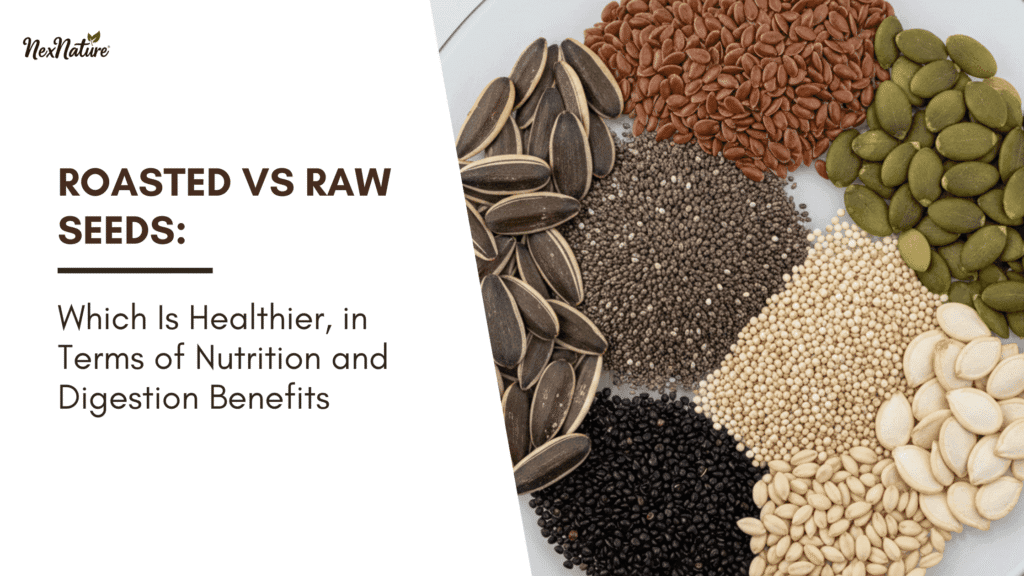
Roasted vs Raw Seeds: Which Is Healthier, in Terms of Nutrition and Digestion Benefits

Raw vs Roasted Seeds: Which is the Healthiest Choice for Nutrition and Digestion

Seeds are little nutrition bombs in the world of nature: they contain healthy fats, protein, fiber, and micronutrients with a variety of benefits to the heart and digestion. However, in case of roasted and raw seeds, there is a heated contention between the two about which ones is more nutritious and digestible. In this in-depth analysis, we shall look into the science behind it all, the actual benefits, and how roasting or eating the seeds raw could make a difference in what actually gets absorbed by your body. We will cover all the nutrient profile information to digestibility, frequently asked questions such as do roasted seeds lose nutrients? and what you should do on a daily diet. Understanding Seeds: What Makes Them Nutrient Powerhouses? It is better to know what seeds put on the table before we dive into the entire roasted vs raw debate. Seeds — whether sunflower, pumpkin, chia, flax, or sesame — are rich in: All these attributes have made them widely popular in the smoothies, salads and snacks across the globe. The seeds also have compounds known as antinutrients (such as phytic acid), which may ensure that minerals are bound and hence not absorbed. It is here that such operations as roasting or soaking are involved. (The Indian Express) Nutrition Face-Off: Raw vs Roasted Seeds Discussing the nutritional content, it is useful to divide it into components consumed by your body: macro, vitamins, antioxidants and availability of minerals. 1. Macronutrients (Calories, Fats, Protein) Raw and roasted nuts tend to provide an equal or similar quantity of calories, fats, protein and carbohydrates per pound. Here’s why: Bottom line: The calories of the roasted and raw seeds do not significantly vary, however, they are often merely a change of moisture and do not involve loss or gain. 2. Vitamins & Heat-Sensitive Nutrients And this is where things become interesting. Some of the vitamins are abundant in seeds especially vitamin E which helps in keeping skin and cells healthy. However: So when it comes to raw vs roasted seeds: ✔ Raw seeds also have a higher tendency to retain the original antioxidants and some vitamins.✔ Roasted seeds can lose part of the vitamins, but there are other positive compounds that the heat process may cause. 3. Minerals & Nutrient Absorption Here’s where roasting gets a subtle advantage.The subdued benefit here lies with roasting. Phytic acid is an antinutrient that is naturally found in seeds and binds mineral salts – iron, magnesium, and zinc – and makes their absorption difficult. (The Indian Express) Roasting may greatly decrease phytic acid, which liberates these minerals to be absorbed better by the body– such that what you eat is more fully used by your body. (The Indian Express) For example: This implies that the roasted seeds will be healthier to your system despite the fact that the raw ones may technically have more nutrients in paper. How Roasting Affects Digestibility of Seeds The reason why people prefer roasted to raw seeds is not merely a matter of taste, but rather the feeling that they have on your gut. 1. Raw Seeds and Digestive Challenges Raw seeds contain hard cell walls and intact antinutrients (such as phytic acid), which can slow down or make digestion more difficult – particularly when they are not chewed properly. Also, those natural digestive enzymes in seeds such as lipase can be partially destroyed by roasting, which is also relevant in this discussion. 2. Roasted Seeds: Easier on the Gut The roasting action breaks down some of the rigid cell structures that may assist your digestive system to get easier access to the nutrients. It is especially beneficial to individuals whose digestion is sensitive, who have IBS or feel bloated after eating raw seeds. A large number of people notice that roasted seeds are easier to digest than consuming large portions of raw seeds. Lesson learned: Raw seeds may have a bit more nutrients, but roasted ones would be easier to digest and possibly enhance better absorption of minerals, such as magnesium. Flavor & Practical Benefits Much of the decision of whether to use raw or roasted seeds is a matter of taste – and time. Roasted Seeds ✔ More flavorful and crunchy✔ Extended shelf life (heat inhibits moisture)✔ It is often snackable just straight. Raw Seeds ✔ No-tasting (goes well in smoothies, yogurts)✔ No added ingredients✔ Maximum intact nutrients However, watch out: packaged roasted seeds may contain extra oils, salt or seasonings that contribute to calorie and sodium content. Soaked vs Roasted vs Raw Seeds — What’s Best? Although we are going to discuss the idea of raw and roasted seeds, it is worth mentioning that soaking may turn out to be a game-changer: ✔ Dilution of the food decreases the amount of antinutrients and enhances digestion and absorption of nutrients. ✔ Wettened seeds are at times easier to the stomach than either crude or roasted – but they should be eaten very soon. So Which Is Healthier? Final Verdict The brief explanation: raw and roasted seeds are both part of a healthy diet – and the healthiest option will be determined by your objectives: Goal Best Choice Maximum vitamin and antioxidant retention Raw seeds Easier digestion and better mineral absorption Roasted seeds Better flavor and snack appeal Roasted seeds Nothing added (no salt/oil) Raw seeds Nutritionally and digestively, roasted seeds tend to triumph due to their increased availability of minerals and the less damaging impact on the gut – yet raw seeds contain more nutrients and enzymes susceptible to heat. Instead of choosing one of them and making it your permanent choice, most nutritionists recommend alternating between the two, or using the raw seeds with soaked or slightly roasted seeds depending on your digestive comfort. FAQs Q: Do roasted seeds cost less nutrition compared to raw ones?A: Not necessarily. Roasting may destroy part of the vitamins that are sensitive to heat but tends to increase the absorption of the minerals and digestion. It is a compromise

Raw vs Roasted Seeds: Which is the Healthiest Choice for Nutrition and Digestion Read More »

How Basil Seeds Improve Digestion and Regulate Body Temperature

How Basil Seeds Improve Digestion and Regulate Body Temperature

When you have ever tasted a lemon-water beverage with little black dots and felt refreshed you must have had basil seeds at your place of work, commonly called sabja seeds. These lowly seeds are not a summer trick. Full of soluble fibre, vegetable substances and moisture, basil seeds better digestion and the control of body temperatures in the manner many health enthusiasts are just starting to comprehend in profound depths. What Are Basil Seeds (Sabja/Tukmaria)? In their pure form, basil seeds are the same ones that produce fragrant sweet leaves of basil pesto in Italy, Thai curries and fresh salads. These moist seeds are also called sabja or tukmaria seeds in India and most of the Asian continent. dipped in water, even in half an hour, some thing curious occurs–they enlarge to immense dimensions, and, coating every seed within, grow clear and jelly-like. This gel-like effect is entirely vital to the realization of their digestive power as well as the cooling effect on the body. Nutritional Profile Worth Noting Taking a single tablespoon of basil seeds (around 13 grams), there is a remarkably good nutritional package. They contain especially high amounts of soluble fibre or the kind that is dissolved in water and forms that gel. They additionally offer plant-based omega-3 fatty acids as alpha-linolenic acid (ALA) that helps in supporting the heart and brain health. Moreover, basil seeds also hold significant portions of key minerals such as calcium to support bones, magnesium to support muscle and nerve activities and iron to support the transportation of oxygen in your body. Another wellness benefit is the presence of flavonoids and polyphenols, which are effective antioxidant compounds. Such a combination of nutrients makes the basil seeds a true dietary rocket scientist, especially regarding gut health and general metabolic well-being. How Basil Seeds Improve Digestion Basil seeds have more than what is meant by the phrase the digestive benefits of basil seeds. The following are the mechanisms in which they operate in the body: 1. Soluble Fibre Creates Bulk and Boosts Motility When wet basil seeds enter your stomach they swell into a gel like substance. This fills the gut content and makes the stools soft as well as facilitating normal bowel movements- a major feature of healthy digestion. This effect can be particularly useful to a person that suffers constipation, bloating, or pondering digestion. 2. Gel Coating Calms the Digestive Tract The mucilaginous (gel) coating which surrounds the basil seeds when moistened does not simply swell up. It also forms a protective and calming coating that may be beneficial in reducing irritation in the stomach and the intestines. This aspect renders them kind on the delicate stomachs and can lessen acidity and heartburn. 3. Prebiotic Potential Supports the Gut Microbiome Although the available research is still in its infancy, the soluble fibre of the basil seeds can potentially nourish the good gut bacteria – the miniature friends in your digestive system who help digest food, generate specific nutrients and maintain immunity. 4. Reduced Glycaemic Response A small portion of soaked basil seeds could be taken before meals and it could slow down the carbs digestion by coating the gut with a glucidous layer. This delayed absorption effect will stabilize the post-meal increase in blood sugar levels – useful in maintaining energy and digestive comfort. How Basil Seeds Regulate Body Temperature Beyond digestion, one of the most celebrated traditional uses of basil seeds Among other uses, another most popular traditional application of basil seeds is the cooling of the body, particularly in hot weather.cooling the body — especially during hot weather. 1. Enhanced Hydration Through Water Retention The seed of basil is able to absorb as much as 10 times its weight of water and therefore is very effective in retaining fluids. This increases hydration and allows your body to have fluid balance and control internal temperature and decrease chances of dehydration and heat stress. 2. Reduced Internal Heat from Slower Digestion Consumption of big meals produces thermal energy (internal heat). Basil seeds can reduce this production of digestive heat by developing a gel and slightly slowing the nutrient absorption rate – enabling a naturally cooler internal environment. 3. Traditional Cooling Drinks Traditionally, basil seeds have been used to cool down drinks lemon water, sherbets, buttermilk, and coconut water to help quench the heat and help keep one hydrated throughout the day. Key Health Benefits Recap The following is a preview of the significant benefits of basil seeds to your digestive and body temperature: Digestive System Support Cooling & Hydration Additional Wellness Benefits Practical Guide: How to Use Basil Seeds Effectively Proper preparation is not optional to get the full benefits of basil seeds, but rather, it is necessary to protect as well as ensure the effectiveness. The Critical Soaking Step To germinate the basil seeds always put the required amount of seeds (say 1 teaspoonful) into a complete glass of water (say 200-250 ml) and leave it to swell up fully and get that typical gel covering. This is an indispensable action–do not eat the dry basil seeds at all. When they get in touch with water, they grow so fast that you can choke to death when you eat them and they get stuck making it uncomfortable in your throat or esophagus. Optimal Timing for Consumption This is to be considered drinking basil seed water approximately 20-30 minutes prior to your main meals to aid digestion and help to stabilize blood sugar reaction. When it is a hot afternoon or a summer heat wave, make it your natural coolant and cool your body down when it gets hot. Take them as hydrating beverages during the day whenever you wish to increase your daily fluid consumption in a more effective way than just drinking water. Delicious and Functional Ways to Enjoy Turn ordinary basil seeds into truly good fun functional beverages. Taste a traditional lemon sabka water to add fresh lemon juice, soaked seeds and a little amount of honey to

How Basil Seeds Improve Digestion and Regulate Body Temperature Read More »

How to Eat Seeds Daily for Maximum Benefits

How to Eat Seeds Daily for Maximum Benefits

Seeds are the miniature sources of power in nature. Small yet powerful, once you are aware of how to consume seeds on a daily basis to get the full benefits, they are daily companions to digestion, cardiovascular, weight, and skin and a lot more. In this guide, we are going to breakdown all of this starting with what seeds to consume, how much, when to eat them, how to incorporate them in your actual meals- answer all the questions you may have about seed consumption on a daily basis. 1. Why Eating Seeds Every Day Actually Matters Seeds are healthy foods high in nutrients, healthy fats, protein, fiber, micronutrients, and plant compounds that are difficult to continue to find so densely in other foods. Daily consumption of seeds is beneficial to address some of the most important health objectives, such as heart health, gut health, weight control, and blood sugar control due to their particular nutrient composition. Seeds Nutrition Snapshot (per serving, average) The beauty of seeds? All you have to do is to consume a little every day and enjoy massive benefits. 2. Top Health Benefits of Eating Seeds Daily The actual payoff on consuming seeds on a daily basis would be as follows: Improved Digestion & Gut Health Chia, flax and pumpkin seeds contain both soluble and insoluble fiber, which keeps bowel movements regular, lessens bloat, and nourishes the good bacteria of your gut. This fiber is a prebiotic which forms a healthier microbiome in the long run. Heart Health Support Regular consumption of seeds has been associated with changes in cholesterol levels (reduced LDL and increased HDL) and blood vessel functionality due to cardioprotective fatty acids in the form of omega-3. Research indicates that the frequent intake of seeds such as flax and chia may ameliorate the risk factors of cardiovascular diseases. Weight Management & Appetite Control The fiber and healthy fats content consumed in the seeds keeps you fuller longer, curbing the impulse to snack in the latter part of the day, and keeping your weight goals in check but not feeling deprived. Seeds contain long-lasting energy without sugar rushes on the blood. Skin, Hair & Bone Support Seeds also contain vital antioxidants, vitamin E, magnesium, zinc and calcium, which are important nutrients in keeping your skin elastic, hair strong, and bone density strong in old age. Blood Sugar Balance Fiber in the seeds makes the absorption of sugar in your blood slow thus helping to prevent blood glucose spikes after meals. This renders seeds to be of special benefit to anybody who is handling diabetes or prediabetes. Brain Function & Mood Support Omega-3 fatty acids especially flax and chia seeds aid cognitive functions, memory and possibly help to stabilize mood by decreasing inflammation in the brain. 3. Best Time to Eat Seeds for Maximum Absorption Timing is not all, but a regular routine and intelligent timing in the day are capable of making the seeds-a-day routine more advantageous: Morning Boost: Add in seeds to breakfast bowls or smoothies to jump-start the digestive system and give energy that will last throughout the day. Eating in the morning will ensure that metabolism is controlled. With Lunch or Snacks: Sprinkle the seeds onto salads or combine them with yogurt to control the blood sugar levels and enhance the absorption of other foods you consume. Evening Use: Light dinners or evening snacks with seeds can aid in winding up your body with consistent fiber and micro-elements that aid in the recovery and digestion of the body overnight. The trick lies in being consistent–eating seeds approximately around the same time every day makes your body get accustomed to a schedule of good nutrient intake. 4. How Much Is Enough? Portion Sizes and Safety Recommendation of intake per day: 1-2 tablespoons (15-30 grams) of mixed seeds daily. This is it because it is a large portion that gives you a lot of nourishment without overworking your digestive system or introducing a lot of calories. It is better to begin with sizes (approximately 1 teaspoon) and then increase the doses with time (a span of a week) to ensure your digestive system gets used to the much more fiber in your body. Excess of them too fast may cause discomfort in the gastrointestinal tract, bloating, or calories overload. Critical hint: Stiff seeds such as flax can be soaked or ground in order to be easier to digest and much more effective in terms of nutrient absorption. Whole flax seeds do not always get digested in your system so that you can reap the benefits of omega-3. 5. Best Seeds to Eat Every Day There are the best seeds to include in your daily seed intake–their practical benefits and how to use them to benefit. Chia Seeds They are packed with fiber (11 grams per ounce), omega-3 fatty acids (ALA), and vital minerals such as calcium and magnesium. Chia seeds will assist in digestion, cardiovascular diseases and will ensure that you are satisfied until the next meal. Use: Chia pudding can be used as a soak in water or plant milk, in smoothies, or as a sprinkle on yogurt bowls. Flax Seeds (Ground) Lignans (compounds found in plant life that are associated with heart health and hormonal equilibrium), high levels of omega-3, and high levels of fiber are provided by flax. Always make them ground so that your body can really take in the nutrients- whole flax seeds are undigested. Preparation: Add ground flax into oat meals, combine in smoothies or include in breads and muffins. Pumpkin Seeds These healthy seeds are the sources of magnesium, zinc, protein, iron, and strong antioxidants. They are also great in immunity, muscle performance, and could be helpful in better sleep due to magnesium in them. Use: Roast with favorite spices, toss on salads or have as a snack that is rich in proteins. Sunflower Seeds Sunflower seeds contain plenty of healthy fats, proteins, vitamin E and selenium which helps in boosting energy levels, maintaining skin

How to Eat Seeds Daily for Maximum Benefits Read More »

Chia vs Flax vs Hemp: Which Seed Is Best?

Chia vs Flax vs Hemp: Which Seed Is Best?

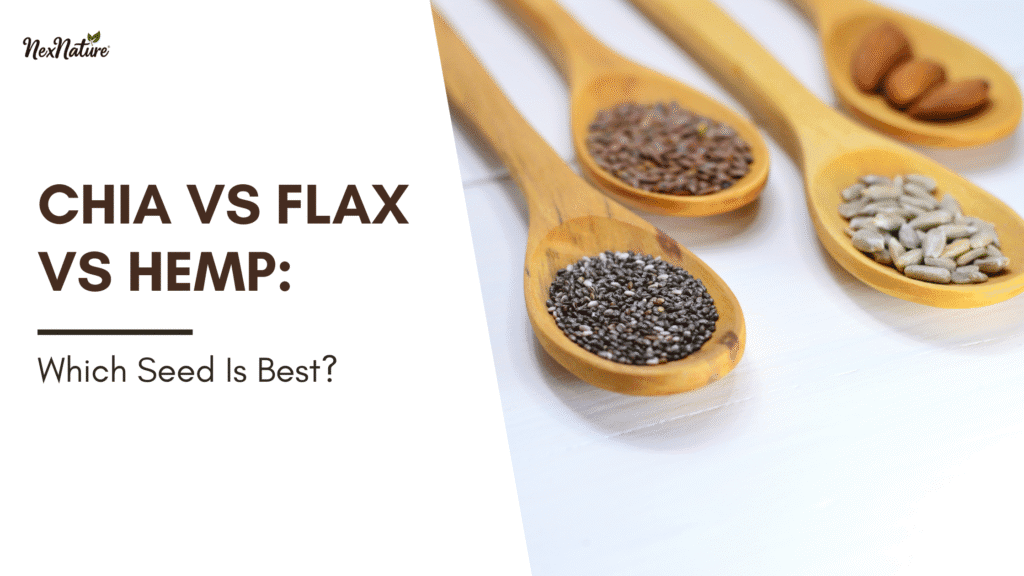
Seeds such as chia, flax, hemp, etc. have become health buzzwords recently, and to be fair, it is not hard why: these small giants provide immense amounts of nutrients in a small bite. However, details do count when you are trying to determine which seed to use depending on what your goals are. We will go over this step by step in a manner that provides you with certain clarity and practical points of action. We are going to compare the chia vs flax vs hemp seeds on nutrients, health benefits, practical use, which is better suited to certain objectives such as protein or weight loss, and how to incorporate them in your day-to-day meals. 1. Quick Snapshot: How the Seeds Stack Up Let’s start with a simple comparison that brings chia, flax, and hemp onto the same page. Feature Chia Seeds Flax Seeds Hemp Seeds Protein Good Moderate High—complete protein Fiber Highest High Moderate Omega-3 High (ALA) Very high (ALA) Balanced omega-3 & 6 Best for Fiber & calcium Anti-inflammatory Protein & healthy fats Texture/Use Gel-forming Needs grinding Crunchy hearts This table is not a complete one, but it is an excellent roadmap to be able to view the strengths of each seed at a single glance. 2. What Are These Seeds? The Basics Chia Seeds Chia seeds are small black or white seeds of Salvia hispanica, which Aztecs and Mayans used to eat in the past. They are well known to absorb the liquid and create a gel, and thus are ideal to use in gut friendly recipes and puddings. Flax Seeds Flax (or linseed) has been one of the best-researched plant foods; it is a good source of omega-3 ALA fats and lignans- plant compounds that are excellent antioxidants. Due to the fact that whole flax is difficult to digest, most individuals would grind it then consume it to absorb maximum nutrients. Hemp Seeds Hemp hearts are derived out of Cannabis sativa plant but they contain almost no THC. They are valued by full-course protein and healthy fat ratio, all 9 essential amino acids that your body require. 3. Nutrient Breakdown: The Details That Matter One thing is to make claims of the healthy nature of seeds. It is one thing to consider the way they compare in terms of nutritional value. Protein Hemp seeds are first in with about 9.5 grams per ounce and a whole amino acid profile- making it the best for plant-based consumers. Chia and flax have approximately 5 grams per ounce, but again, not such a protein-dense one. Fiber Chia seeds are the best source of fiber and fiber in particular soluble fiber that reduces the rate of digestion and gives one a feeling of fullness. One ounce of chia has approximately 10grams of fiber. Flax is also a good source of fiber and hemp has lower fiber content but more protein. Healthy Fats Flax seeds contain the largest amount of alpha-linolenic acid (ALA) which is an omega-3 fatty acid of plant origin and is beneficial to the heart and the brain. Chia seeds also do not lag behind in terms of omega-3. The hemp seeds contain a balanced polyunsaturated fat with an optimal ratio of omega-6 to omega-3 fatty acids that is better placed to decrease inflammation. Micronutrients Chia seeds have great calcium and antioxidants. Hemp seeds are also a shining source of magnesium, zinc and manganese which are vital minerals in creating immunity and energy. Flax seeds contain special compounds such as lignans that can assist hormonal balance especially to the well being of women. 4. Health Benefits: What the Science Actually Says We should not talk about buzzwords, but about the actual, evidence-based benefits. Heart Health The three seeds are beneficial to cardiovascular well-being in their unique ways. The Omega-3 fatty acids and fiber are able to reduce the cholesterol level and inflammation- two of the largest contributors of preventing heart related diseases. Flax and chia are particularly associated with heart benefits due to their high ALA content, whereas the balanced fat profile of hemp makes cardiovascular work in general. Gut Health & Digestion The soluble fiber in the form of a gel that is in chia seeds assists in controlling bowel movements and maintaining a healthy gut microbiome. The fiber is a prebiotic which nourishes the good bacteria. Flax seeds also aid in digestion and have soluble and insoluble fiber and make things smooth going through you digestive system. Weight Management Fiber makes you feel full and protein makes you stay energized and maintain muscle mass. The remarkable fiber in chia seeds can be used to regulate the appetite and general calorie consumption. The protein in hemp seeds promotes satiety and muscle-sustenance during weight loss. Studies indicate that the properties are capable of maintaining a healthy weight loss when used with a healthy diet and exercise. 5. Which Seed Is Best for Your Specific Goals? This is how you can consider chia vs flax vs hemp seeds in relation to what you want to accomplish: Weight Loss Craving to be in control of hunger, chia seeds are a great light in high fiber content that suppresses your cravings throughout the hours. Nevertheless, hemp seed protein contributes to muscle mass maintenance in case of calories restriction which is essential in the context of metabolic health. A combination of the two strategies is usually quite effective. Heart Health All three are beneficial to the cardiovascular wellness, with flax seeds potentially winning over the other two because of their better ALA omega-3 content. Chia seeds are also beneficial as fiber and omega-3s work together to maintain the heart function and healthy cholesterol levels. Muscle Building & Fitness The apparent victor in this case is hemp seeds due to their full protein composition that includes all the essential amino acids. Hemp is the choice to make in case you are training to recover muscles, gain strength, or improve athletic performance. Hemp is good to mix with chia or flax, which provides

Chia vs Flax vs Hemp: Which Seed Is Best? Read More »

Do Chia Seeds Really Help with Weight Loss? Truth & Tips

Do Chia Seeds Really Help with Weight Loss? Truth & Tips

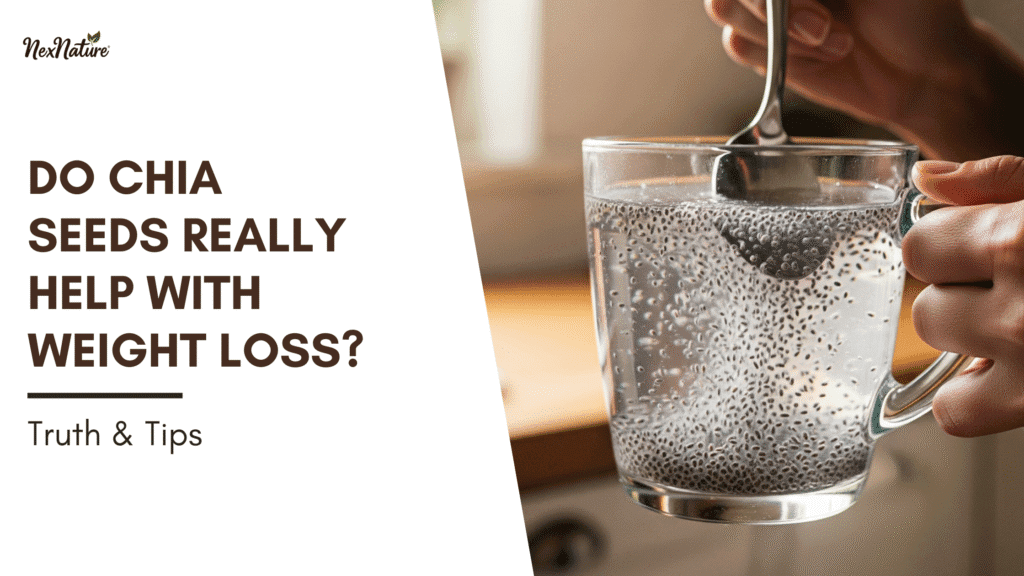
You are not alone should you have ever heard someone stir a spoonful of minute black seeds in water or yogurt and refer to them as weight-loss magic. Chia seeds have been added to the category of so-called superfoods that people use in their efforts to lose extra kilos. The big question is however: Do chia seeds aid in weight loss? We will go to the root of the matter in this post- what are the chia seeds, what science is telling the truth, how they may (or may not) make you skinny, how to eat them in a prudent manner and what to beware of. By the close, you will be in a position to know perfectly how to determine whether they should be a part of your weight-loss process or not. What Are Chia Seeds — Nutrition Snapshot Chia seeds are products of plant Salvia hispanica. They are small but mighty.<|human|>Although small, they are nutritional powerhouses. Only two tablespoons (28g/ 1 ounce) provide: (Healthline) An interesting quality: When chia seeds are combined with liquid, the outer layer will absorb water, and create a gel-like material (it is swelled multiple times its dry size). (Healthline) Those gel-forming and fiber- and nutrient-rich profile assigns a few characteristics to the chia seeds that appear to be significant weight-loss-wise. How Chia Seeds Might Help with Weight Loss — Theoretical Mechanisms This is how the chia seeds could come in handy provided they are used wisely but observe: might. Satiety & Appetite Control Since chia seeds swell when moist, they contain a lot of fiber and some amounts of protein, which makes you feel fuller. The extra calories in that fullness, particularly in combination with the foods such as breakfast yogurt, smoothies or snack may help to lower the total calorie consumption by decreasing the urge to snack and temptation to eat between meals unnecessarily. Helping Maintain a Calorie Deficit Caliper comes to weight loss being calories in vs. calories out. Chia seeds contain nutrients (fiber, protein, healthy fats) and moderate calorie content, at least in reasonable quantities – as such, they may substitute the high calorie snacks or foods with no nutritional value. Blood Sugar Stability & Cravings Control The fiber + gel effect decelerates the digestion and carbohydrates absorption. That assists in avoiding acute spikes and crashes in blood sugar that tend to cause a desire to eat a sweet or to consume junk food. In theory, therefore, chia seeds could help in the regulation of appetite and overeating. Nutrition Support + Overall Health (Beyond Just Weight Loss) Chia seeds are a source of healthy fats (omega-3), protein, fiber, minerals – which can have overall health, digestion, gut health and even heart/ metabolic wellness. That is why they make a good addition to your diet, provided your weight-loss initiative is a bigger health-overhaul. To the point: chia seeds may be a good supporting actor in a weight-loss narrative – though probably not the main one. What Science & Studies Say: Mixed Evidence (Not a Magic Bullet) This is where it becomes somewhat less clear. Although the idea of chia seeds being a weight loss agent appears promising, the research is not consistent on this matter. Researcher conclusion: chia seeds can be used to help manage weight – but not alone (as a supplement to a healthier lifestyle, diet, calorie deficit). (Medical News Today) Thus: yes, do chia seeds work on weight loss? — they can make a difference, under specific circumstances, but it is inappropriate to expect any radical outcomes of chia as a singular ingredient. Risks, Side-Effects & What Many Articles Underplay Just like any other food or diet trend – chia seeds are not necessarily harmful when abused. These are the things you should remember: To sum things up: chia seeds may assist, though it must be done in a reasonable manner and as a component of a balanced strategy. How to Use Chia Seeds Smartly — Best Practices & Practical Tips In case you are considering adding chia seeds to your food intake due to the perceived weight-management benefits, this is how you can do it in the most effective and safe way: Soak First — Don’t Eat Dry Always pour water, milk, yogurt or a smoothie over the chia seeds and leave them in it at least 10-15 minutes (or overnight) and then eat. This enables them to absorb liquid and make the gel, easier to digest and less risk of choking / blocking. Stay Hydrated Due to the high ability of chia to absorb water, you should consume lots of fluids during the day. This assists fiber in performing its work and avoids such problems as constipation or dehydration. Start with a Small Portion, Gradually Increase In case you do not eat high-fiber foods regularly, start with 1 tablespoon daily, monitor how your body reacts (digestive comfort, fullness). In case fine- you can add to 1-2 tablespoons daily. Use Chia as Replacement — Not Addition Instead of adding chia to the top of an already existing, heavy diet, replace higher-calorie snacks or some other sugary foodstuff with chia-based eats (chia pudding, chia-enriched yogurt / oats / smoothies). In that manner you keep (or even decrease) caloric intake daily and gain benefits. Combine with Balanced Diet & Active Lifestyle The use of chia seeds is to be included in a more comprehensive strategy: balanced diet (vegetables, proteins, whole grains), energy consciousness, exercise / physical activity. Relying on chia is not likely to produce significant weight-loss. Consider Individual Health Conditions In case of digestive problems, with a swallowing problem, or with the need to take a blood-sugar / blood-pressure medication, one should consult a doctor before regular chia intake. Use Variety — Not Just Plain Chia Water Chia seeds are versatile: overnight puddings, shaken in a blender, sprinkled on oatmeal or salad, stirred into daliya / porridge / yogurt – even blended with Indian breakfasts or snacks. This enhances compliance and sustainability of the routine. Myth-Busting: What

Do Chia Seeds Really Help with Weight Loss? Truth & Tips Read More »

How Much Sunflower Seeds to Eat Daily – Safe Serving & Benefits

How Much Sunflower Seeds to Eat Daily – Safe Serving & Benefits

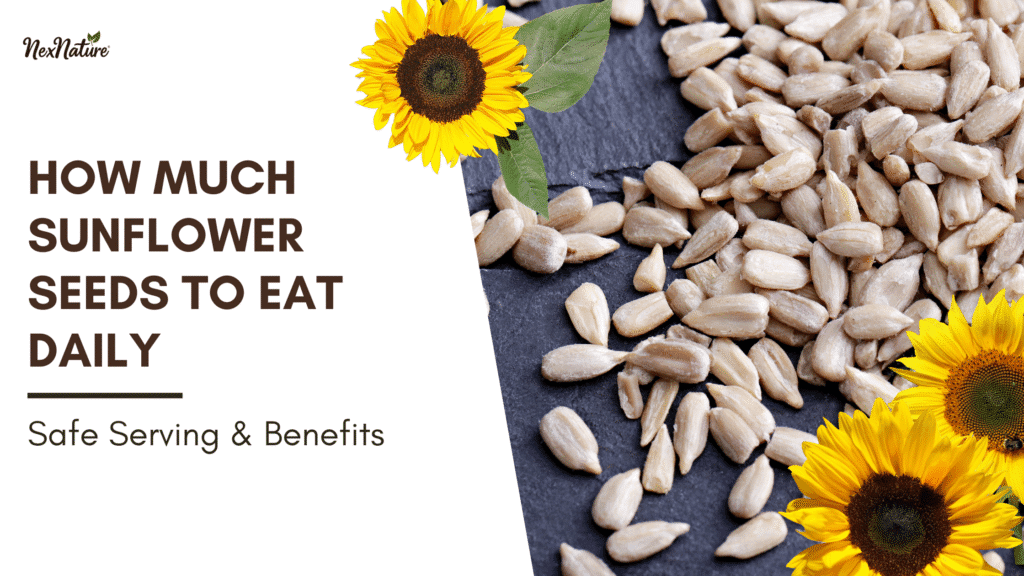
Have you ever been wondering how many sunflower seeds you should eat on a daily basis- you are not alone. Sunflower seeds have been hailed as a healthy snack, which is rich in nutrients, antioxidants and healthy fats. However, as in all good things, there is moderation. This post I am trying to provide you with a friendly and expert-style guide about the optimal daily consumption, the advantages, the possible dangers, and ways you can add sunflower seeds intelligently to your everyday diet. At the end you will realize just how many sunflower seeds you can safely (or profitably) eat in a day. Nutrition Overview — What’s Inside Sunflower Seeds (per serving) To begin with, we will put ourselves down to numbers. As per the nutrition information of a typical portion (1 ounce or 28-30 grams), approximately 1/4 cup or 1/4 full of shelled, dry-roasted sunflower seeds: Such a rich nutritional composition is what has made sunflower seeds such a favorable super-snack. But it also implies that you must be mindful of the size of your portion – 165 kcal and 14 g fat per ounce do not take long to get up. What Research & Expert Guidance Says — Recommended Daily/Serving Intake Then, what amounts of sunflower seeds to eat in a day is reasonable? As the various nutrition guide books and articles indicate, the general opinion appears to be: Altogether: regarding the majority of healthy adults, an approximate of 30 grams (1 ounce / small handful / 1/4 cup) per day – or close to it on regular days – appears to be a balance between benefit and harm. Benefits of Eating Sunflower Seeds Daily (in Recommended Amounts) One of the benefits sunflower seeds provide is a great deal of nutritional and health benefits when you maintain portion. Here are the main ones: Heart & Cardiovascular Health Sunflower seeds contain high amounts of healthy unsaturated fats, fiber and antioxidants all of which are helpful in keeping the heart healthy. The healthy fats have the ability of sustaining healthy cholesterol levels, and fiber promotes healthy blood lipid profile. Antioxidant & Anti-inflammatory Effects Vitamin E, selenium and plant compounds (such as phenolic acids and flavonoids) are high doses that make the sunflower seeds potent antioxidants. They aid in safeguarding your cells against attacks by free-radicals that may reduce the chances of chronic illnesses and aid in improving immunity. Nutrient Boost & Overall Nutrition Only 30 grams provide you with a good amount of protein, fibers, healthy fat, vitamins (E, B-complex), and the key minerals (magnesium, zinc, copper, selenium). That is why sunflower seeds are a convenient means of sustaining general health, energy, skin, hair, metabolism, etc. Digestive Health & Satiety Sunflower seeds contain fiber and protein which may make you feel fuller longer, which is good considering that you are watching your weight, or you are attempting to avoid snacking on unhealthy foods. Fiber also promotes good digestion.. Healthline Additional Benefits (Skin, Bone, Immunity, Pregnancy Support) Depending on your needs, sunflower seeds may offer benefits like improved skin health (antioxidants + essential fats), bone strength (via minerals like magnesium, phosphorus), immune support (zinc, selenium), and even nutrient support during pregnancy (folate, iron, B vitamins) according to some sources. Potential Risks / What Happens If You Eat Too Much — Why Moderation Matters Naturally – there are certain dangers or drawbacks should you take it to excess. You should be aware of these before you make such a decision as I will just have handful after handful. High Calorie Density → Risk of Weight Gain Since sunflower seeds are rich in calories and fats, consuming a larger amount than the suggested one (e.g. multiple handfuls per day) can result in the calorie-rich diet and potential weight gain, unless the rest of the diet is modified accordingly. Sodium and Salt Content (if salted / shell-on) A lot of commercially sold sunflower seeds (particularly shell-on or roasted/salted) contain salt added to them. This adds to the sodium content, which may be an issue to an individual with blood pressure problems or those who is observant of sodium. The Times of India Heavy-Metal Exposure: Cadmium Concern The most common omission or underemphasis of most feel-good blogs is that sunflower plants have a tendency of taking in heavy metals (such as cadmium) in the soil – and seeds may have them. A test of commercial sunflower seed products established that some contained excessive cadmium per 30 gram serving – a range of approximately 4.8 mcg to 19.5 mcg per 30 gram of serving in some products. Even though moderate intake (approximately, 30 g/day) has not been found causally related to kidney damage in some reports, the fact that cadmium exists means that regular overconsumption or snacking in life could increase risks in the long run, particularly on kidneys. Digestive Issues, Shell-Related Risks When you eat sunflower seeds with shell, or eat very large amounts, there have been reports of digestive difficulties, constipation, stomach ache, in extreme cases even constipation of the stool (where in extreme cases, shells or unchewed fragments of shells may be ingested). Allergy Potential Although seldom encountered, there are those individuals who are allergic to sunflower seeds – mouth or throat itch, swelling, breathing problems, skin reactions. Over-reliance / Nutrient Imbalance Excessive consumption of sunflower seeds (e.g. eating them on a daily basis and in large amounts) can create an imbalance (excessive fat, excessive calories, and neglecting other healthy foods, such as fruits and vegetables, lean proteins). Factors That Can Change Ideal Intake (Personalization) The ideal of all people is not similar. What is good to me may not necessarily be good to you. Some considerations, when making the choice of the quantity of sunflower seeds per day: Practical Guidance — How to Include Sunflower Seeds Safely in Daily Diet Here is the way you can include sunflower seeds in your diet and benefit as much as possible, without the unpleasant side-effects: FAQ — Common Reader Questions Q: How many sunflower

How Much Sunflower Seeds to Eat Daily – Safe Serving & Benefits Read More »

Comparing High Omega-3 Seeds India: Chia vs Flax vs Perilla vs Hemp

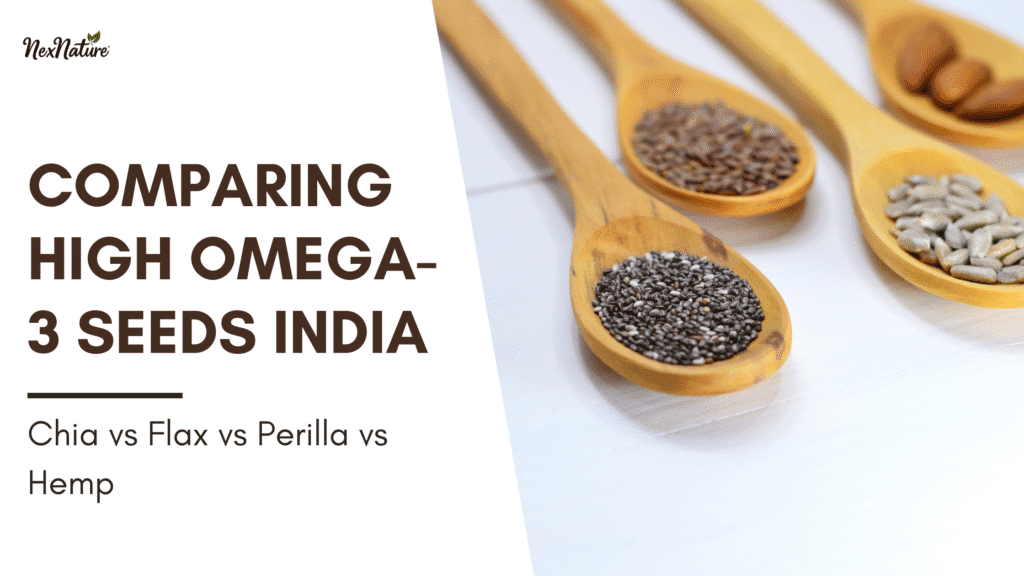
You have stumbled upon the right place in the event that you are looking after high omega-3 seeds India has to sell. In general, regardless of whether you are a vegetarian, vegan, or just trying to increase your intake of omega-3 without fish, plant-based seeds can be a great way to provide it and contain alpha-linolenic acid (ALA)- which is one of the essential fatty acids that your body cannot synthesize. We will deconstruct some of the most popular seeds in this overall comparison: chia, flax, perilla and hemp. You will find their omega-3 level, health advantages, their presence and prices in India, use, and which one fits well in your particular needs. At the end, you will be in a good position to know which seed, or mixture, should be included in your kitchen. Understanding the Four Seeds And, unplunging into comparisons, it will be well to begin with a quick introduction of each of the nominees in the race of the best high omega-3 seeds: Chia seeds are native to Central and South America but currently found in the markets of chia seeds India. They are well known to be gelled when wet and contain huge amounts of nutrition in small packages. Flax Seeds: One of the oldest crops that were being used in India is the Flax Seeds or linseed as it is also referred to. They are easily found and are usually cheaper as compared to other omega-3 seeds. Perilla Seeds are created by plants that are cultivated in the Northeast Indian areas and Himalayan placements. Perilla seeds, suppliers of which in India succeed in being less well-known than chia or flax, are primarily niche organic brands yet they contain excellent levels of omega-3. Hemp Seeds: Industrial Cannabis sativa (non-psychoactive versions) Hemp Seeds are a good source of balanced nutrition containing decent protein and healthy fats. According to their legal status they have to purchase in certified sources in India. Nutritional Showdown: Omega-3 Content Comparison Here’s where things get interesting. When comparing these high omega-3 seeds India offers, the numbers tell an important story: Seed ALA Content (% of oil) Omega-6:Omega-3 Ratio Key Nutrients Chia 58-60% Very favorable Fiber, calcium, antioxidants Flax 53-59% Very favorable Lignans, fiber Perilla 54-64% Very favorable Strong antioxidants Hemp 19-20% Less favorable Protein, minerals Actionable Point: Perilla, chia, and flax have the highest concentration of omega-3, whereas hemp seeds nutrition has better results in terms of complete protein and more balanced fats. The ratio between omega-6 and omega-3 is important. Chia, flax, and perilla contain good ratios that contribute to anti-inflammatory and hemp has more omega-6 which can counterbalance some of the benefits when taken in large amounts. The amount of flaxseed oil that supplies most adults with recommended amounts of ALA – is 1 ounce (approximately 28 grams) which supplies 6,388 mg a day. Health Benefits: What Each Seed Offers The four seeds all offer plant-based versions of omega-3 and have similar advantages, however, small differences in each make certain ones more appropriate to particular purposes. Cardiovascular and Anti-Inflammatory Support The extent of ALA in chia, flax and perilla is known to reduce inflammation, decrease triglycerides and enhance the blood vessel activity. Studies indicate that perilla oil has the ability to raise the levels of blood ALA and EPA as an alternative to other cooking oils. Brain and Cognitive Function Although plant based ALA is also converted into EPA and DHA at rather low rates (5-10 percent), a regular intake of these omega-3 rich seeds aids in sustaining baseline omega-3 levels that aid in keeping neurons healthy. Digestive Health Chia and flax perform well in this category by containing large amounts of fiber, including both soluble and insoluble which nourishes the good gut bacteria and maintains the normal bowel movement. Antioxidant Protection Perilla is unique in terms of antioxidant power owing to phenols and tocopherols. Chia is also important in antioxidant effects. Availability and Cost in India Knowledge of where to purchase omega-3 seeds India, and at what price, will be useful in the real-world decision making: Chia seeds India: Health food stores, supermarkets and other online stores stock it in abundance. Price: ₹ 300-600 per 250g (brand and quality). Flax seeds: Flax seeds: Badly accessible and cheap, usually retailed as linseed. Price range: ₹100-300 per 250g. Perilla seeds India: Niche availability primarily through organic stores and Northeast India suppliers. Premium pricing due to limited cultivation and distribution. Hemp seeds: This is offered in certified organic stores where they are sold at a higher price based on regulatory reasons and scarcity of supply. In determining cost, it is important to consider the actual omega-3 content price per gram of the seed as opposed to seed cost. Lower-cost seeds containing lower ALA concentration are at times more expensive to use. How to Use These Seeds Effectively To have the best out of your purchase of high omega-3 seeds India, it is necessary to prepare and store them appropriately: Preparation Methods Chia seeds: Chia seeds are versatile and can be used as a liquid (to make a chia puddle) or blended into a smoothie or sprinkled on top of yogurt and oatmeal. Flax seeds: It is better ground in order to be digested and absorb nutrients better. Freshly grind in a coffee grinder or purchased in good sources. Perilla seeds: They can be consumed whole, milled or drizzled with perilla oil on top of salads (do not cook with perilla oil at all, it destroys omega-3s). Hemp seeds: Raw and served on top of food or put into a blender. Their nutty taste is suitable in both the sweet dish and the savory item. Indian Recipe Integration These are multifaceted seeds that suit the Indian cuisine well: Storage for Maximum Freshness The omega-3 fats are labile and are destroyed by light, heat, and oxygen. Keep in non-transparent containers with no air in cool locations – refrigeration is best after opening. Grind fresh since it is preferable to having ground versions. Which

Comparing High Omega-3 Seeds India: Chia vs Flax vs Perilla vs Hemp Read More »

Basil Seeds Benefits Digestion & Cooling: How Sabja Seeds Can Improve Gut Health and Beat Body Heat

Basil Seeds Benefits Digestion & Cooling: How Sabja Seeds Can Improve Gut Health and Beat Body Heat

Introduction Did you ever question yourself about the fact that these small black seeds, which are floating in your falooda, are not just a texture enhancer, but are actually very healthy? You will soon find out what a great health power they have. Today we are going to discuss the role of basil seeds in digestion and cooling, the reasons why sabja seeds (also known as tukmaria) are considered a treasure of traditional medicine over centuries and how you can easily and safely integrate them into your routine. You will have learned about the science behind these small yet powerful seeds and know perfectly how to use them to achieve more optimal gut health and natural cooling benefits at the end of this guide. What Are Basil Seeds? Ocimum basilicum of which we take the leaves of sweet basil produces basil seeds. These small black seeds go by a variety of different names in different places – sabja seeds in India, tukmaria in some places, and sweet basil seeds in other parts of the world. Their specialty is that they have the special ability of being water absorbent and developing a gel like, translucent coating after being wet. This is a major trait of basil seeds that help in digestion and cooling process in your body. These seeds have been widely used in the Ayurvedic traditional medicine over centuries as natural remedies to digestive problems and offer cooling effects in hot seasons. Nutritional Profile: What’s Inside These Tiny Seeds In order to see the way sabja seeds perform their magic, we shall examine its impressive make up of nutrients. Nutritional analyses show basil seeds to have around 43.9 percent carbohydrates (of which about 36.3 percent of is fiber) and 33 percent healthy fats (primarily omega-3 alpha-linolenic acid), as well as 9.4 percent protein. These seeds are also a source of vital minerals such as calcium, magnesium, potassium, and iron, as well as other useful compounds such as antioxidants, flavonoids, and phenolic acids that add to the health-promoting effects of these seeds. Their digestive and cooling properties in particular are due to the high fiber content and the special gel forming capability. How Basil Seeds Aid Digestion The digestive benefits of basil seeds work through several mechanisms: Soluble Fiber and Bulk Formation The fiber content in basil seeds is high and absorbs water and forms bulk, which would assist in softening the stool and regular bowel movements. This renders them especially beneficial to individuals with constipation or abnormal digestion. Mucilage Barrier Effect Basil seeds when wet form a gel-like mucilage covering which may act to calm and cushion the intestinal lining. It is a natural protective barrier that can lessen the irritation caused by stomach acid or other rough foods, making it less painful to those with gastritis or acid reflux. Anti-inflammatory Properties The studies indicate that the basil seeds have anti-inflammatory and antioxidant properties due to phenolic compounds and flavonoids. These properties can be used to soothe inflammation of the digestive tract as well as maintain the overall health of the gut. Prebiotic Potential According to some studies, basil seeds could be mildly prebiotic, meaning that they can be useful in promoting beneficial gut bacteria. Although the effect is less evident in chia seeds, it is beneficial to the digestion overall. The Cooling Effect: How Sabja Seeds Beat Body Heat Some interesting mechanisms by which the basil seeds cool are as follows: Enhanced Hydration The water absorbed by the basil seeds when they form the typical gel makes them more efficient in keeping your body hydrated. This enhanced water absorption, which is important in the natural regulation of temperature particularly during hot seasons. Slower Digestion and Heat Generation The formation of a gel retards the digestion and nutrient assimilation, that can slow metabolic heat produced during the digestive process. That may assist your body to keep its internal temperature more comfortable. Traditional Cooling Beverages Basil has been utilized since ancient times in beverages that cool such as lemonades, sherbets and classic summer beverages. This mixture of hydration and texture, together with the natural properties of seeds produces an effective cooling experience. Scientific Support A review of 2025 included that the regular consumption of basil seeds is linked with better digestion and lower body temperature, which offers some scientific support of the traditional claim. Additional Health Benefits In addition to digestion and cooling, basil seeds contain a number of other health benefits: Weight Management: The fiber and gel texture will keep you fuller and might decrease the total calorie intake and maintain a healthy weight. Blood Sugar Support: The fiber content has the potential to slow the absorption of sugar and lead to a more stable blood glucose level following a meal. Heart Health: It has been stated that some studies indicate that basil seeds have compounds that can help maintain good cholesterol levels in the body and heart health. Antioxidant Protection: The antioxidant properties of the phenolic compounds can be used to help prevent oxidative stress in cells and to help maintain good health. How to Use Basil Seeds Safely and Effectively To reap full of basil seeds help digestion and cool, it is necessary to prepare and use it properly: Soaking Guidelines Always wet basil seeds prior to consuming – never eat them dry as this can be hazardous as a choking risk. Add the seeds, approximately 1 tablespoon to a cup of water and leave to soften in 10-15 minutes until they form the characteristic gel covering. Recommended Dosage Begin with 1 teaspoon of soaked seeds every day and work up to 1 tablespoon as your digestive system adapts. This method will avoid any intestinal unease that may arise as a result of an abrupt fiber intake. Best Timing Use basil seeds as a digestive aid- eat 15-30 minutes prior to meals, or as a refreshing beverage on a hot afternoon. Their refreshing effect is especially appreciated by many of the people as a mid-morning or afternoon

Basil Seeds Benefits Digestion & Cooling: How Sabja Seeds Can Improve Gut Health and Beat Body Heat Read More »

How to Eat Sunflower Seeds Raw or Roasted: Safely, Nutrition, and Methods

Introduction Did you ever wonder how to eat sunflower seeds either raw or roasted correctly, you are in the right place. These are nutrient rich seeds that so much more than a snack at a baseball stadium, they are delicious, versatile, and healthy when cooked properly. We will discuss all the aspects of nutrition and safety, shelling techniques, roasting methods, and innovative recipes ideas in this ultimate guide. It doesn’t matter whether you are new to sunflower seeds or need to learn more about them, you will find useful tips and professional skills on making the most of these seeds safely and delicious. Understanding Sunflower Seeds: What You Need to Know We should know what we are dealing with before we dive into how to eat sunflower seeds when raw or roasted seeds. Sunflower seeds are offered in two types: In-shell (also known as shell-on) seeds must be cracked to access the edible kernel within. These are typical snacks and contain entertainment value as well as nutritional value. Hulled seeds (kernels) are already shelled and are ready to be eaten or used in recipes. They are convenient yet will be having less shelf life because of the exposed oils. You will also find varieties in them – striped seeds (they are eaten as a snack) and black oil seeds (they are used as bird feed, but also you can eat them). Nutritional variation is very small, although, black oil seeds are more likely to have a higher fat level. Nutritional Profile and Health Benefits Sunflower seeds contain large nutritional value in their tiny size. One hundred grams of dried kernels will have around 584 calories, 21 percent protein, and good unsaturated fats and linoleic and oleic acids. The seed is very nutritious in terms of vitamin E (a strong antioxidant), B vitamins, magnesium, selenium and zinc. The nutrients can be helpful in heart health, anti-inflammatory, and immune functioning. Sunflower seeds are highly valuable in vegetarians and vegans due to the high protein level, and cardiovascular and brain health can be maintained by the healthy fats. Safety Considerations and Potential Risks To know how to safely eat sunflower seeds whether raw or roasted, one must be aware of the possible concerns: Heavy metals: There are studies that have found the build-up of cadmium in sunflower seeds. The levels are usually low, but it is prudent to be moderate. Allergic reactions: Rare in comparison with tree nuts, some individuals can be allergic to sunflower seeds, particularly individuals with ragweed allergies. Oxidation and rancidity: During storage or high-heat food processing, the unsaturated fats can oxidize, producing off-flavours and potentially harmful compounds. Dietary issues: Shell ingestion can lead to irritation or choking especially among children. It is good to take off shells before eating. Caloric density: Weighing almost 600 calories per 100 grams, portion control is important in weight regulation. Raw vs. Roasted: Comparing Your Options When making a choice between eating raw verses roasting sunflower seeds, the trade-offs are: Raw Sunflower Seeds Benefits Roasted Sunflower Seeds Advantages Studies have indicated that moderate roasting (120-140degC) may in fact enhance the quantity of certain desirable compounds and reduce losses in the nutrients. Nonetheless, roasting (at high temperature) can destroy certain antioxidants and generate unwanted compounds. How to Eat Raw Sunflower Seeds It is easy to enjoy raw sunflower seeds once you are aware of the fundamentals: Direct snacking: Directly eat hulled kernels out of the package as a quick and healthy snack. Addition of smoothies: Kernels are raw, so add it to smoothies to provide additional protein and healthy fat. Salad topper: Sprinkle on salads, yogurt or oatmeal to provide additional crunch and nutrition. Homemade seed butter: Some recipes using raw kernels in a food processor can make a peanut butter substitute, which is free of nuts. Soaking: There are those who choose to soak raw seeds overnight, in order to make them soft and possibly more digestible. How to Roast Sunflower Seeds: Step-by-Step Methods To roast sunflower seeds correctly, it is important to know how to do it in order to get the best taste: Oven Method Stovetop Method Air Fryer Method Shelling Techniques for Shell-On Seeds Whenever you have shell-on seeds, it is always helpful to know tricks to shell sunflower seeds faster and without frustration: Teeth – The standard technique – bite through the shell, then use your tongue to pull out the kernel. Rolling pin method: Seed placed in between clean towel and rolled until many shells have been cracked. Freeze-thenaw technique: Quickly freeze seed and leave to thaw – shells are more apt to crack. Soaking method: Temporary softening of shells may be induced by brief soaking, increasing their crack resistance. Storage and Shelf Life To store properly to preserve quality and to avoid rancidity: Creative Ways to Use Sunflower Seeds In addition to the snacking, the sunflower seeds are versatile: Baking ingredient: Use in breads, muffins and granola to add additional nutrition and texture. Seed Coating: To make a crunchy coating on fish or chicken, crush and roast the seeds. Homemade trail mix: Add in dried fruits and additional seeds to have a snack that goes everywhere. Salad improvement: Sprinkle salads to add in protein and healthy fats. Energy balls: Combine dates and other ingredients to create no bake energy balls. Recommended Daily Intake and Portion Control An average 1-ounce (28 grams or approximately 1/4 cup of kernels) portion of sunflower seeds has approximately 100 grams of omega-3 fatty acids. This is very nutritious and yet contains affordable calories. The recommended 1-2 portions per day would suit most individuals to a sensible diet. The consumers of sodium should consume unadulterated forms and the consumers with certain health conditions should seek the guidance of their healthcare practitioner concerning the right dosage. FAQs Can you eat sunflower seed shells? No, you should remove and discard the shells. They’re fibrous, difficult to digest, and can cause throat irritation or choking. Are raw sunflower seeds safe to eat daily? Yes, in appropriate

How to Eat Sunflower Seeds Raw or Roasted: Safely, Nutrition, and Methods Read More »

Best Seeds for Skin, Hair & Wellness: Glow & Growth Guide

Best Seeds for Skin, Hair & Wellness: Glow & Growth Guide

Introduction When you think that true beauty begins at the heart, then you are going to like what I am about to tell you. Seeds may be small, but they have an amazing nutritional value that can revive your c, and improve all your wellness in a way that even costly creams and treatments cannot compete with. Here, we will discuss the top seeds that support the skin, hair and wellness, including how these seeds are so effective, which provide the greatest benefits and how to use these seeds in order to achieve the most. At the end, you will have the entire roadmap on how to integrate these natural energy sources into your daily life. Why Seeds Are Beauty and Wellness Superstars Seeds are packed nutrition which acts on the inside. Herein lies the secret of their effectiveness to skin, hair and general health: The omega-3 and omega-6 are essential fatty acids which are important in keeping your skin hydrated and to curb inflammation which causes breakouts or an early onset of age. The building blocks that are required by your hair follicles to make healthy, strong strands are complete proteins and amino acids. Vitamins and minerals such as vitamin E, B-complex vitamins, zinc, selenium, and magnesium help in repair of the skin, collagen synthesis and scalp. Free radical damage caused by pollution, UV light and daily stress is combated by antioxidants and polyphenols. Fiber helps the gut stay healthy and a healthy stomach system usually shows up on healthier skin that is clearer and much radiant. As it was researched, the regular consumption of chia seeds contributes to the skin hydration and decreases inflammation and supports the natural barrier mechanism of the skin. It has also been clinically shown that pumpkin seed oil, when used as a supplement can greatly increase the growth of hair. The Top Seeds for Skin, Hair & Wellness I would like to guide you through the most efficient seeds that you would consider to add to your routine: Flaxseeds – The Omega-3 Powerhouse Flaxseeds contain alpha-linolenic acid (ALA), also known as an omega-3 fatty acid, which is of plant origin and acts to dampen skin dryness and maintain healthy hair follicles. The antioxidants in flaxseeds are also due to the lignans. Usage: Flaxseeds can be grained fresh and put in smoothies, oatmeal, or yogurt. Flax water can also be prepared by placing the seeds in water overnight and then drinking the gel-like substance. Caveats/tips: It should be ground in order to be absorbed; put in fridge after grounding so it does not oxidize. Excess can influence digestion in case there is a sudden increase in the amount of fiber. Chia Seeds – The Hydration Heroes The chia seeds are effective in skin moisturization due to the presence of omega-3 and the fact that the seed absorbs water. They create a gel-like consistency which is able to sustain the amount of moisture both internally and when applying topically. Usage: Hydration: Add to water or plant milk to make chia pudding or blend in smoothies or use the soaked gel as an ingredient in a face mask as a hydrant. Caveats/tips: They retain a lot of water – hydrate well; some individuals may get bloated when adding large amounts of them quickly. Pumpkin Seeds – The Hair Growth Champions Pumpkin seeds contain zinc, vitamin E, and omega-6 fatty acids which are especially advantageous to the scalp and hair growth. A study established that in a case of 24 weeks, men who were given pumpkin seed oil supplements had considerable growth improvement in their hair. Usage: Roast them and use them as a snack, put them raw into salads, or use a pumpkin seed oil under the supervision of the specialist. Cautions/ hints: Oil form moderation; not everyone likes strong flavour; make sure that the oil is of good quality; unrefined oil. Sunflower Seeds – The Skin Protectors Sunflower seeds contain a lot of vitamin E and selenium, which will protect the skin against UV damage and healthy blood circulation to the scalp. How to consume: Add as trail mix, prepare sunflower seed butter, or sprinkle on salads and grain bowls. Caveats/tips: Can contain too much omega-6 so eat together with omega-3 seeds (such as flax, chia). Hemp Seeds – The Complete Protein Source Hemp seeds are a complete protein as they contain all the essential amino acids. They also provide perfect proportion of omega-3 to omega-6 fatty acids to support skin barriers and hair strength. How to use: Add to smoothies, sprinkle on yogurt or apply hemp seed oil to the skin and hair. Caveats/tricks: Oil rancidifies quickly; refrigeration slows this; untoasted hemp seeds may have an earthy flavour. Sesame Seeds – The Anti-Aging Allies Sesame seeds of all colors and sesame seeds, in particular, contain lignan, calcium, and magnesium. Black sesame seeds contain some of the highest antioxidants which could possibly preserve skin elasticity and hair pigment. Uses: Toast with butter to have a nice chew, tahini or use in seed cycling routines (see below). Cautions/suggestions: Toasting enhances flavour but some vitamins are heat sensitive, and some people are allergic. Fenugreek Seeds – The Scalp Soothers Being a great source of protein and iron, the fenugreek seeds are traditional cures of volume and health of hair and the scalp. They are also anti-inflammatory and they can be used to treat acne. Use: You can drink this water overnight or grind it into a paste to use as a hair mask. Cautions/hacks: Bitter flavor; the seeds should be moistened to prevent bitterness; can work with some drugs–ask doctor. Understanding Seed Oils vs. Whole Seeds A very big difference exists between applying whole seeds and applying seed oils to the skin: The internal gains of benefits Dietary use are systemic – the skin, hair and general wellness is enhanced internally as a result of regular nutrition. High-quality cold-pressed seed oils have the potential to benefit the skin and scalp directly and are useful in hydration,

Best Seeds for Skin, Hair & Wellness: Glow & Growth Guide Read More »

Shopping Cart