Uncategorized

Health Benefits of Muskmelon Seeds & Watermelon Seeds + Side Effects

Health Benefits of Muskmelon Seeds & Watermelon Seeds + Side Effects

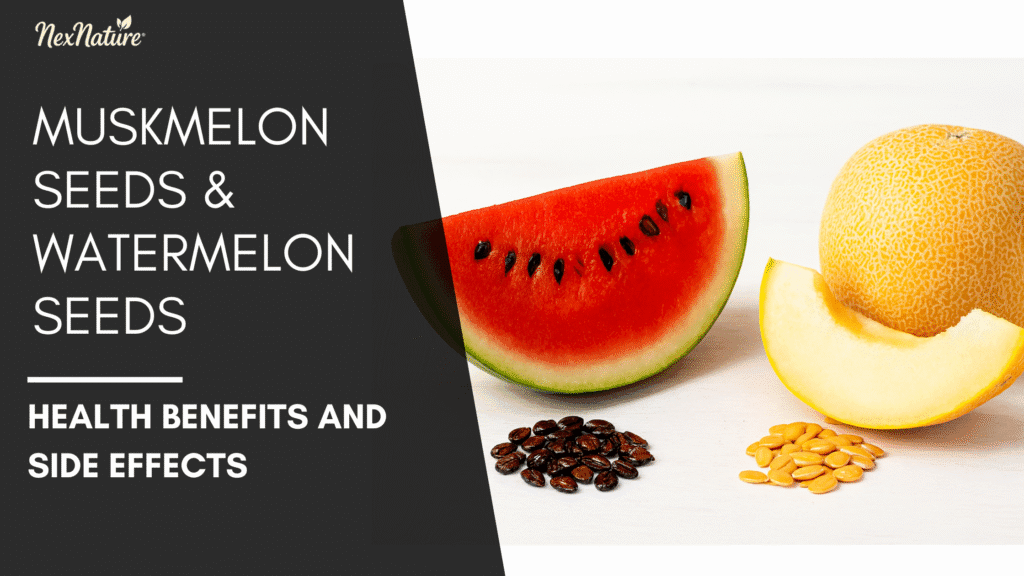
Hey there! When you have ever cut yourself a fat piece of muskmelon or watermelon you must have thrown the seeds away, without another question. However, what, I asked, if I were to inform you that those small seeds contain no small nutrient–and that also, there are certain things to be avoided. Later in this article, we are going to explore in-depth about the health benefits of muskmelon and watermelon seeds and side effects, supported by science. At the end, you will understand how to use them safely, what it will bring benefits, and who should be precautious. Nutritional Composition / Chemical Profile Now we can begin by examining the composition of these seeds–since we cannot start to know the nutritional value of watermelon seeds and muskmelon seeds without knowing what they are composed of. Watermelon Seeds Muskmelon Seeds In a word: both seeds contain protein, healthy fats, fiber, vitamins, and minerals and bioactive antioxidants. Most of their health benefits are based on them. Health Benefits So now we will discuss what these nutrients do- the actual health benefits of muskmelon and watermelon seeds and health side effects you need to know. (Side effects will be discussed later.) 1. Antioxidant & Anti-Inflammatory Effects Seeds contain lots of phenolic compounds, flavonoids and antioxidants which neutralize free radicals and thereby diminish oxidative stress. Indicatively, the watermelon seeds have been reported to contain sinapic acid, quercetin among others which are known antioxidants. The muskmelon seeds are also useful: such substances as luteolin, gallic acid, etc. prevent inflammation. This is of particular use in chronic illnesses such as heart disease or metabolic syndrome. 2. Cardiovascular Health Watermelon seeds contain healthy fats (mono- and polyunsaturated) which decreases LDL (bad cholesterol) level and enhances the state of blood lipids. The watermelon seeds also contain potassium which helps in maintaining heart activity since it regulates blood pressure. Muskmelon advantages: it is already known that the fruit flesh contains a high amount of vitamin A, C, potassium, etc, which are beneficial to the heart. Adding seeds means more protein, healthy fats and fiber-factors which have been associated with less risk of cardiovascular problems. 3. Digestive Health The two seeds are also good sources of dietary fiber (particularly insoluble), which contributes to bowel regularity, prevents constipation, and in general, gut health. Seeds also offer texture and act as a mild form of natural scraper to the gut- in addition, bioactives can stimulate beneficial gut fauna. 4. Blood Sugar and Metabolic Regulation There are research findings that watermelon seeds could assist in maintaining blood sugar perhaps due to their fiber and protein content. Although additional human studies are required, they have a good nutritional profile and promise to be useful in metabolic support. The muskmelon fruit is not very caloric, contains water, and a little fiber; the seeds supplement it. 5. Immune Support Immune functions are helped by vitamins A, C and zinc and iron present in these seeds. Inflammation is minimized by antioxidant compounds and this consequently enables the immune system to perform optimally. 6. Skin, Hair & Beauty Vitamin E, antioxidants, healthy fats- these will aid in skin elasticity, lessening the oxidative harm, stimulating collagen development. Glow Sometimes, muskmelon seeds are helpful in this respect. Proteins and minerals are also beneficial to hair. 7. Bone Health Calcium, magnesium, phosphorus in watermelon and muskmelon seeds are known to promote bone density and strength and being anti-osteoporotic. 8. Other Potential Benefits Side Effects / Risks / Who Should Be Cautious Like most things that are healthy, there are exceptions. In this case, these are some of the things to be observed when eating muskmelon and watermelon seeds. Being aware of these will make you get the advantages without taking risks. 1. Digestive Discomfort & Overconsumption 2. Anti-nutritional Factors 3. Potential Toxicity with High Doses / Prolonged Use 4. Allergies & Sensitivities 5. Special Population Considerations How to Eat / Use Seeds Properly Desire to receive the advantages without the drawbacks? The following are feasible tips, usage, preparation and safe serving sizes. Muskmelon & Watermelon Seeds vs Fruit Flesh One can compare the contribution of the fruit flesh to the contribution of seeds. Fruit flesh (muskmelon in particular) contains a lot of water, vitamins A and C, is low in calories, is a thirst quencher- lots of summer, quenches thirst, antioxidants. Seeds are on the other hand, more protein, fat, fiber, mineral, and concentrated bioactive compounds. Therefore, mixing flesh with seeds would be more nutritionally complete. Frequently Asked Questions (FAQ) Here are some likely questions you might have. I’ll answer them so you’re fully informed. Q1: Are muskmelon & watermelon seeds good to eat every day?A: Yes in moderation. Eating small amounts daily (handful of roasted or some seed powder) can give benefits. But large daily amounts may lead to digestive discomfort or strain kidneys, especially in susceptible people. Q2: Can these seeds help with weight loss?A: Possibly. The fiber, protein, and healthy fats help with satiety (feeling full), which may reduce overall calorie intake. Also, seeds themselves are calorie-dense, so portion control is critical. Q3: Do watermelon seeds cause kidney stones?A: Seeds like watermelon can have oxalates, which in high amounts might contribute to oxalate kidney stones in predisposed individuals. But cooking / roasting reduces oxalates greatly. If you have history of kidney stones, consult a doctor. Q4: Can diabetics eat muskmelon & watermelon seeds & side effects?A: Yes, the seeds themselves are lower in sugar and have fiber & protein, which help. The flesh of watermelon & muskmelon has more sugar; so portion control matters. Monitor blood sugar and consider glycemic load. Q5: How many seeds per day are safe?A: There’s no strict number established by human trial. But typical safe use would be about 15-20 grams of seeds (≈ a small handful) per day. Roasted or powdered seeds are easier to digest. Q6: Is it better to eat seeds raw, roasted or boiled?A: Roasting & boiling (especially followed by drying) reduce anti-nutrients (oxalates, phytates etc.), enhance digestibility,

Health Benefits of Muskmelon Seeds & Watermelon Seeds + Side Effects Read More »

The Ultimate Guide to Protein Rich Seeds for Snacks (With Grams per Serving)

The Ultimate Guide to Protein Rich Seeds for Snacks (With Grams per Serving)

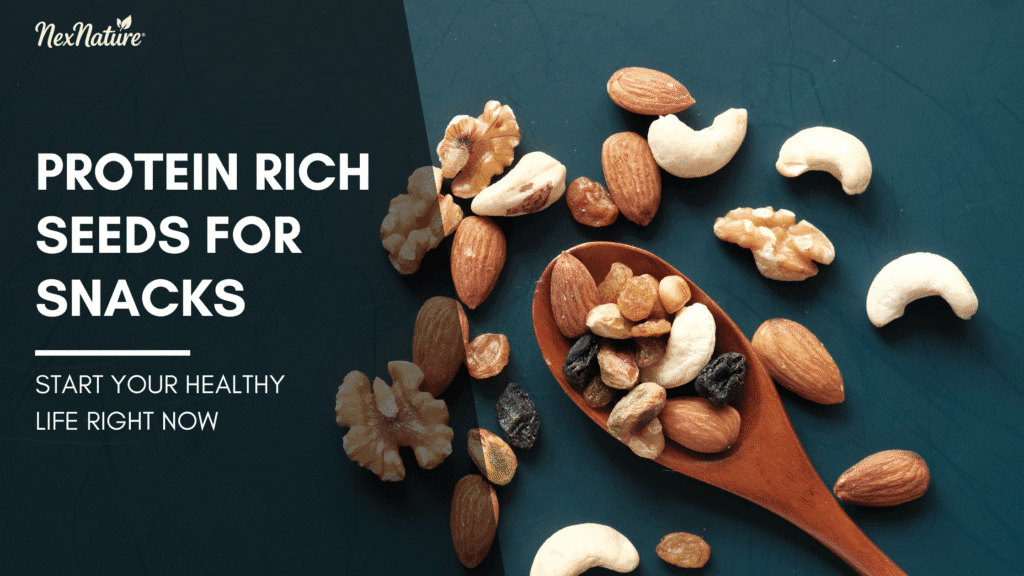
Introduction Most individuals turn to a protein bar, hard-boiled eggs, or Greek yogurt when it comes to snacks that are loaded with protein. However, there is something you may not realize: some of the smallest foods on the planet are, in fact, some of the most powerful sources of protein that can keep you full and vibrant throughout the day. We are talking about snack seeds of high protein. These little powerhouse foods contain large quantities of protein, fiber, and healthy fats in every portion. No matter how plant-based you are, whether you are trying to keep your weight down or you are simply trying to find healthier options to processed snacks, this guide will provide you with the specifics of which seeds will provide you with the most protein and how you can enjoy them. Quick Answer: Which Seeds Pack the Most Protein Rich Seeds? You may ask yourself why you need seeds in your snack list when there are nuts and protein bars everywhere. Here is the strong argument in favor of seeds: Seed Protein per ounce Key nutrients Hemp seeds ~10g Complete protein, omega-3s Pumpkin seeds ~8-9g Zinc, iron, magnesium Sunflower seeds ~6-7g Vitamin E, folate Chia seeds ~5g Fiber, omega-3s Flaxseeds ~4g Lignans, fiber Sesame seeds ~5g Calcium, antioxidants Hemp, pumpkin, and sunflower seeds lead the pack when it comes to protein content, making them ideal choices for your snack rotation. Why Choose Seeds for Your Protein Fix? You may ask yourself why you need seeds in your snack list when there are nuts and protein bars everywhere. Here is the strong argument in favor of seeds: Plant protein energy: Seeds are clean complete nutritional energy that is compatible with any diet – vegan, vegetarian, or omnivore. Nutrient density: In addition to protein, you are obtaining key minerals such as magnesium, zinc, and iron that most people are lacking. Allergy-friendly: Most seeds are tree nut-safe, unlike nuts, which makes seeds an ideal choice when it comes to school lunch and the snack table. Natural and unprocessed: No artificial preservatives, additive or added sugars – just pure nutrition. Budget-friendly: Seeds are cheaper than the majority of protein bars or specialty snacks per gram of protein. The presence of protein, healthy fats, and fiber in seeds makes them satiating in the body in such a way that individual processed snacks could never achieve the same. The Best Protein Rich Seeds for Snacks We will take the protein profiles of each of the seeds and find the best ways to make them taste delicious. Hemp Seeds – The Protein Champion Protein per ounce: 10 grams There is a good reason why hemp seeds top our list. They are among the very few vegetable foods that will give you complete protein, i.e. they contain all the nine essential amino acids that your body cannot produce. In addition to protein, hemp seeds provide magnesium to help the muscles work and omega-3 fatty acids to maintain brain health. How to snack: Sprinkle them over yogurt, blend into smoothies, or eat them straight from the bag. They have a mild, nutty flavor that works with almost anything. Pumpkin Seeds – The Mineral Powerhouse Protein per ounce: 8-9 grams Discard those pumpkin seeds when carving jack-o-lanterns. These green jewels (also known as pepitas) contain a high level of protein and zinc to boost the immune system and iron to boost energy. They also contain magnesium that most adults are poor in. How to snack: Roast them with sea salt and your favorite spices, add them to trail mix, or try pumpkin seed butter as a nut-free spread. Sunflower Seeds – The Vitamin E Star Protein per ounce: 6-7 grams You may think of baseball games when you think of sunflower seeds, but they are no joke. They also contain a good amount of protein, and they are highly fortified with vitamin E, a strong antioxidant that keeps your cells safe. How to snack: Choose unsalted varieties when possible, add them to homemade granola, or use sunflower seed butter in sandwiches. Chia Seeds – The Fiber Champion Protein per ounce: 5 grams Although chia seeds are average in terms of protein content, they are fat-soluble fiber champions with approximately 10 grams per ounce. This is because they are very filling as a result of this fiber content as well as their liquid-absorbing and swelling properties. How to snack: Make chia pudding by soaking them in milk overnight, add them to smoothies, or sprinkle over salads for crunch. Flaxseeds – The Omega-3 Source Protein per ounce: 4 grams Flaxseeds contain good protein as well as lignans – plant compounds that have antioxidant properties. They are among the wealthiest vegetal sources of omega-3 fatty acids as well. How to snack: Buy them ground or grind them yourself for better absorption. Mix into yogurt, oatmeal, or homemade energy balls. Sesame Seeds – The Calcium Contributor Protein per ounce: 5 grams Sesame seeds have incredibly high levels of calcium to keep bones healthy, but it is in such small quantities that it is easy to overlook them. They are also full of healthy fats and other antioxidants. How to snack: Try tahini (sesame butter) with vegetables, sprinkle seeds on salads, or make homemade sesame seed bars. How Seeds Stack Up Against Other Protein Snacks Wondering how your favorite seeds compare to other popular protein sources? Here’s the breakdown: Seeds hold their own against traditional protein snacks while offering unique nutritional benefits and greater convenience. Practical Ways to Enjoy Protein Rich Seeds Are you now prepared to start eating seeds as a snack? The following are easy, delicious methods: Self-assembled trail mix: Adding hemp seeds, pumpkin seeds, and dried fruit together will provide a balanced meal that is easy to travel with. Roasted seeds mix: Sprinkle pumpkin and sunflower seeds with olive oil and spices and then roast them till they are golden and crispy. Protein enhancers: Add in a tablespoon of hemp or chia seeds into your morning

The Ultimate Guide to Protein Rich Seeds for Snacks (With Grams per Serving) Read More »

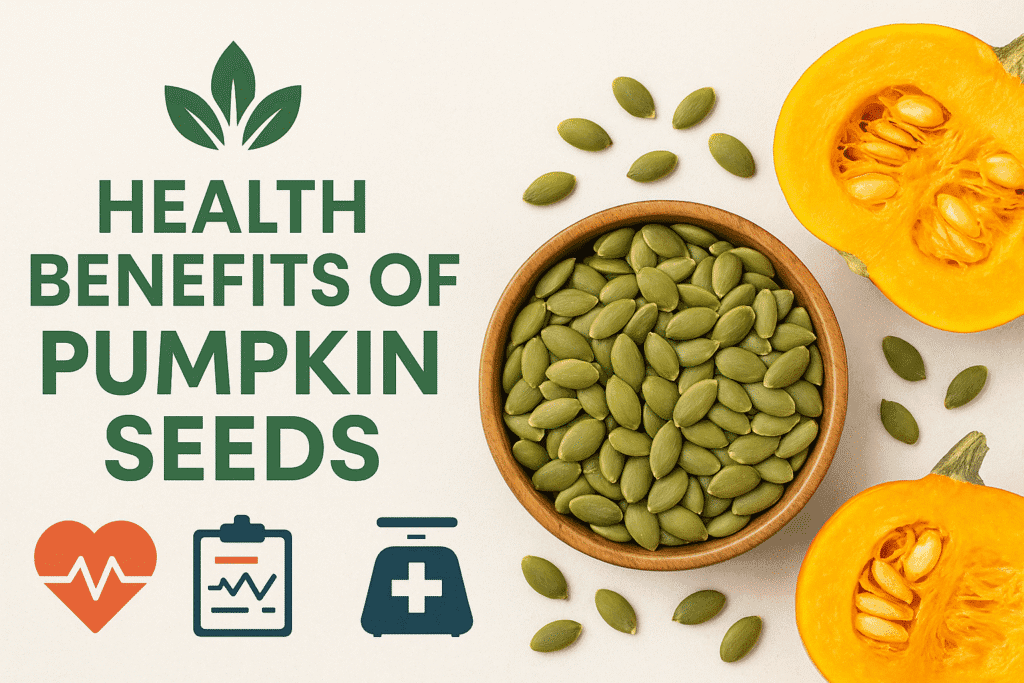
Health Benefits of Pumpkin Seeds for Heart, Sleep, Immunity & More

Health Benefits of Pumpkin Seeds for Heart, Sleep, Immunity & More

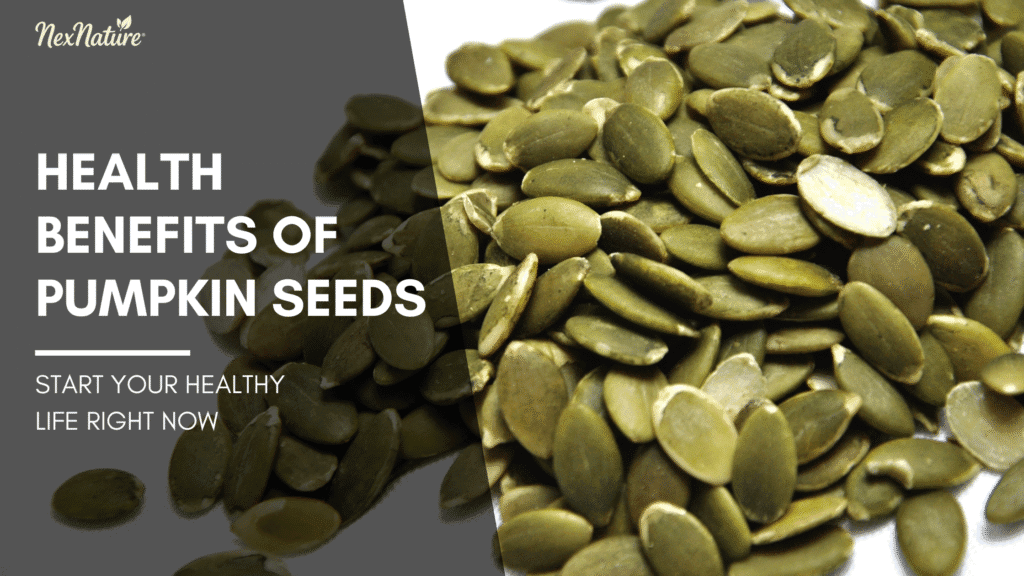
Introduction When you ask yourself why nutritionists are so pumped about pumpkin seeds, you are about to discover. These small green powerhouses are no seasonal punch line – they are full of nutrients that can actually make a difference to your health in ways that you would not imagine. Today we are going to discuss the true health benefits of pumpkin seeds, including helping your heart and sleep quality, as well as immune support and more. You’ll see by the end why these small seeds should always have an honored place in your pantry. What’s Actually Inside Pumpkin Seeds? And before we get into the benefits, we should consider what makes pumpkin seeds so good as far as nutrition is concerned. One packet (approximately 28 grams or a small handful) has about: The magic is in that nutrient density. Each small portion gives you several important minerals and healthy fats, so it is no wonder why the health benefits of pumpkin seeds are this extensive. Heart Health and Blood Sugar Support Your heart will adore pumpkin seeds, and this is how: magnesium, healthy fats, and fiber are a combination that will help the heart in a variety of ways. The magnesium aids in the normal regulation of blood pressure and the monounsaturated and polyunsaturated fats might aid in the improvement of cholesterol levels. In one study of postmenopausal women, pumpkin seed oil lowered diastolic blood pressure by seven percent and raised desirable HDL cholesterol by 16 percent in a 12-week duration. When it comes to managing blood sugar, the amount of fiber in it also contributes to slowing down the digestion process and avoiding those energy rushes and crashes that make you want to have an extra snack. Even the protein helps make the eating experience more prolonged, and it, of course, promotes good eating habits. Better Sleep and Mood Support Struggling with sleep? Your new snack may be pumpkin seeds before bedtime. They are full of tryptophan the same amino acid that causes you to feel sleepy after eating a Thanksgiving dinner. Tryptophan is converted into serotonin by your body and this is further converted to melatonin – your natural sleep hormone. But that’s not all. Pumpkin seeds contain magnesium that works as a tranquilizer and can be used to calm down the nervous system before sleep. There are some individuals who believe that just a few seeds of pumpkin about a hour before they retire to bed will put them to sleep. The positive effects of mood go beyond sleep as well. Sufficient levels of zinc, pumpkin seeds supply, are associated with emotional control and fewer depressive symptoms. Immune System Boost Nutrients are what make your immune system work and pumpkin seeds provide a few of the most important ones. Zinc is likely the most significant one – it is responsible to the functioning of immune cells and wound healing. Pumpkin seeds are a smart addition to your diet because many people are mildly deficient in zinc without even knowing it. Pumpkin seeds also contain vitamin E and antioxidants that help prevent cell damage that occurs as a result of free radicals. This antioxidant effect is beneficial to your general well-being and can help decrease inflammation in your body. Other minerals in pumpkin seeds (iron) aids in the production of healthy red blood cells and aids in the movement of oxygen (iron is very important in keeping energy and immune systems strong). Prostate and Urinary Health In men particularly, pumpkin seeds have specific benefits to the prostate. Research indicates that pumpkin seed oil may be used to relieve symptoms of benign prostatic hyperplasia (BPH), an unpleasant disease that causes problems with urination in old age. Zinc and healthy fats seem to be beneficial to prostate performance, and, in fact, some studies have suggested that frequent intake could prevent the onset of prostate-related problems initially. Pumpkin seeds could be of interest to both men and women as they have the potential to positively affect the urinary tract, and some studies indicate an improvement in symptoms associated with the overactive bladder. Bone Health Foundation Calcium is not the only thing that your bones need: they need a complex of minerals that interact with each other. Pumpkin seeds contain various nutrients which support the bones: magnesium, zinc, phosphorus. Magnesium is especially valuable since it can assist your body to actually utilize the calcium that you take. Calcium cannot do its work efficiently without proper magnesium. Pumpkin seeds are a simple way to increase magnesium because many adults lack sufficient magnesium in their diets. Digestive Health Support Pumpkin seeds contain fiber that aids in the normal digestion of food, particularly when you consume the seeds with the shells intact. This fiber nourishes the healthy gut bacteria and serves to keep the bowel regular. But, when you are not accustomed to the high intake of fibers, you should begin gradually. Excessive consumption of these over a short period of time may lead to bloating or stomach upsets. Start with a tablespoon and slowly build up because your digestive system gets used to it. Hair, Skin, and Reproductive Health Zinc, vitamin E and healthy fats in pumpkin seeds work together to keep the hair and skin healthy both inside and out. Pumpkin seeds are a natural beauty food because zinc deficiency may cause skin issues and hair loss. Zinc has important effects on male and female fertility in terms of reproductive health. In men, healthy levels of zinc are associated with healthy levels of testosterone and healthy sperms. In women, zinc plays a role in hormone balance and reproductive activity. How to Include Pumpkin Seeds in Your Diet Daily portions of 1/4 cup or one ounce are recommended – not too much or too little to gain the benefits. Here are viable methods of enjoying them: Raw or roasted: Both are fine, but light roasting may be a better way to add flavor, and antioxidants can be more available through light roasting. Simply

Health Benefits of Pumpkin Seeds for Heart, Sleep, Immunity & More Read More »

How to Use Chia Seeds for Weight Loss

How to Use Chia Seeds for Weight Loss

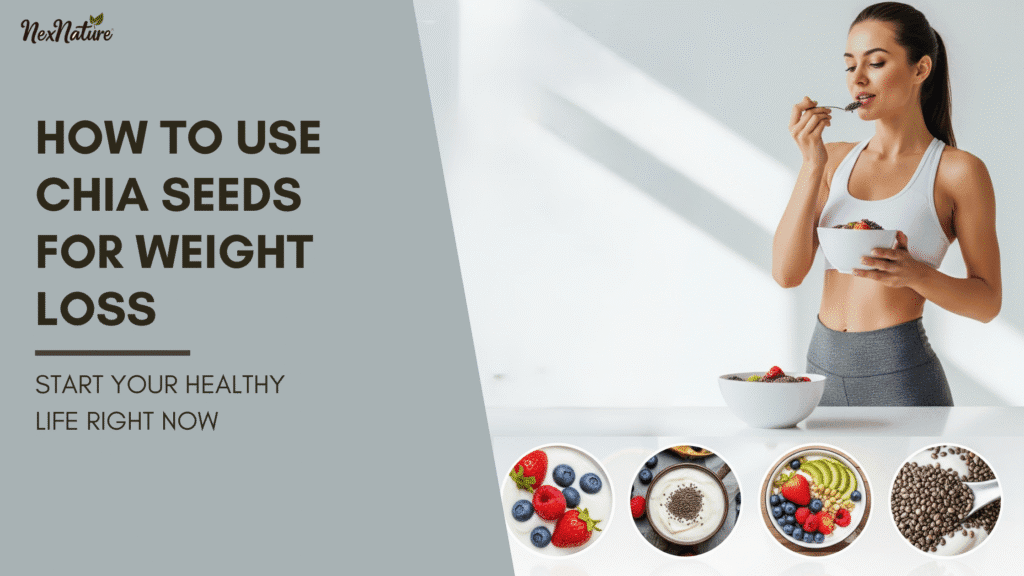
Introduction Have you been browsing health blogs or Instagram recently you are sure to have seen people talking about how chia seeds are the best weight loss food. These small black seeds have been referred to as a “superfood” and a miracle diet hack. But what’s the truth? More to the point, what do you actually do with chia seeds in a manner that is workable, not something that is trendy that you posted. That is what this guide is about. We will explore the special nature of chia, how much you actually need and how to enjoy it – chia water, chia puddings and smoothies. At the conclusion you will know just how to use chia seeds to lose weight without being misled by all the hype and trends. What Are Chia Seeds? Chia seeds are the seeds of Salvia hispanica, a Mexican plant. They were the staple food of the Aztec and Mayan cultures, and they are the pantry food of today. And this is what makes them of nutritional interest (per 28g, approximated 2 tabs): One of the reasons people associate chia seeds with weight loss is that high fiber content just makes you feel full with fewer calories. The Science Behind Chia Seeds for Weight Loss So what is actually going on when you eat these small seeds? Chia seeds contain omega-3 fatty acids that increase in weight up to 10-12 times when they come into contact with water to create a gel-like substance. This is not an exciting party trick but it is the secret to the weight loss benefits of chia seeds. That gel makes the digestion slower and makes you feel full longer, which obviously allows eating fewer calories during the day. And there is the blood sugar angle. Fewer digests allow consistency in blood sugar levels, which minimizes those energy meltdowns and afternoon hungers that sabotage well-intended eating habits. Protein content is also not harmful, though not as protein-dense as meat or legumes, chia still contains a whopping 5g of protein per serving, which is adequate to keep us satisfied. The study presents both inconclusive and encouraging findings. Some studies indicate that chia seeds have the ability to suppress appetite and have a slight effect on weight. Studies however reveal that chia alone does not have much effect on the diet. The takeaway? Chia is not a magic bullet but rather works best as a part of an overall balanced approach. How Much Chia Seeds Should You Eat Per Day? This is where most people fail miserably, they believe that more is better. The sweet spot is in fact 1-2 tablespoons (10-30g) per day. That is sufficient to reap the rewards without putting a strain on your digestive system. Consume lots of water in combination with chia seeds. The proliferation of these small fellows can lead to bloating or constipation unless you properly hydrate them. If new to high-fiber food, be sure to begin with 1 tablespoon a day and work up. Best Time to Eat Chia Seeds for Weight Loss There is no magic hour, but the following is what has worked with many: Eating in the morning can help you stay fuller until lunch, which will minimize snacking in the mid-morning. Have chia water or pudding at breakfast. Any time of the day is also fine but afternoon is a good time to add chia to yogurt or smoothies to reduce morning cravings at 3 pm. Other individuals like evening chia pudding as a dessert substitute. The truth? Timing is not as important as consistency. Choose a moment when you will really commit to it in the long term. How to Use Chia Seeds for Weight Loss: Practical Methods Here’s the fun bit now, how to actually enjoy them without feeling that you are choking down on health food. Chia Seed Water is most likely the easiest way. Combine 1 tablespoon with 2 cups of water, allow to rest 15-20 minutes until it acquires that gel-like texture. To liven plain water up add lemon juice or cucumber slices. It is rejuvenating, refreshing and surprisingly satisfying. Chia Pudding: And where these seeds shine well is in Chia Pudding. Blend chia (2 tablespoons) and milk (1/2 cup, dairy or plant-based) and sweeten slightly with honey or cinnamon and refrigerate overnight. Add berries on top to get an extra dose of fiber and you have a dessert that will actually help you achieve your objectives. Smoothie drinkers can simply add chia seeds straight into your protein shake or fruit smoothies. It will naturally thicken your drink and gives it that fiber kick. No soaking required. The easiest method? Just sprinkle on your oatmeal, cereal or Greek yogurt. No preparation time, the greatest convenience. Another way to make chia jam is to combine the seeds with mashed berries – the seeds have a natural thickening effect on the fruit. Put it on whole grain toast as an alternative to sugary jam, which is a source of fiber. Chia Seed Water for Weight Loss: Why It’s Trending What chia seeds can achieve is to allow you to consume fewer calories in general, as it makes you feel fuller. They promote gut health and all of that fiber, and they fit well into a calorie-controlled diet. So chia, by itself, will not melt belly fat, but it makes a great companion to healthy eating and exercise. It is an extremely simple recipe: 1 tablespoon of chia seeds, 2 cups of water, optional lemon juice to add flavor to it. Allow to cool to gel point and consume. It works wonders on some and is a bore to others. Experiment one week and then feel how you feel. Can Chia Seeds Help with Belly Fat? Let’s get real about this one. There is no one food that burns belly fat. That is not how weight loss works, even though Instagram advertisements would like you to believe that. What chia seeds can do is help you eat

How to Use Chia Seeds for Weight Loss Read More »

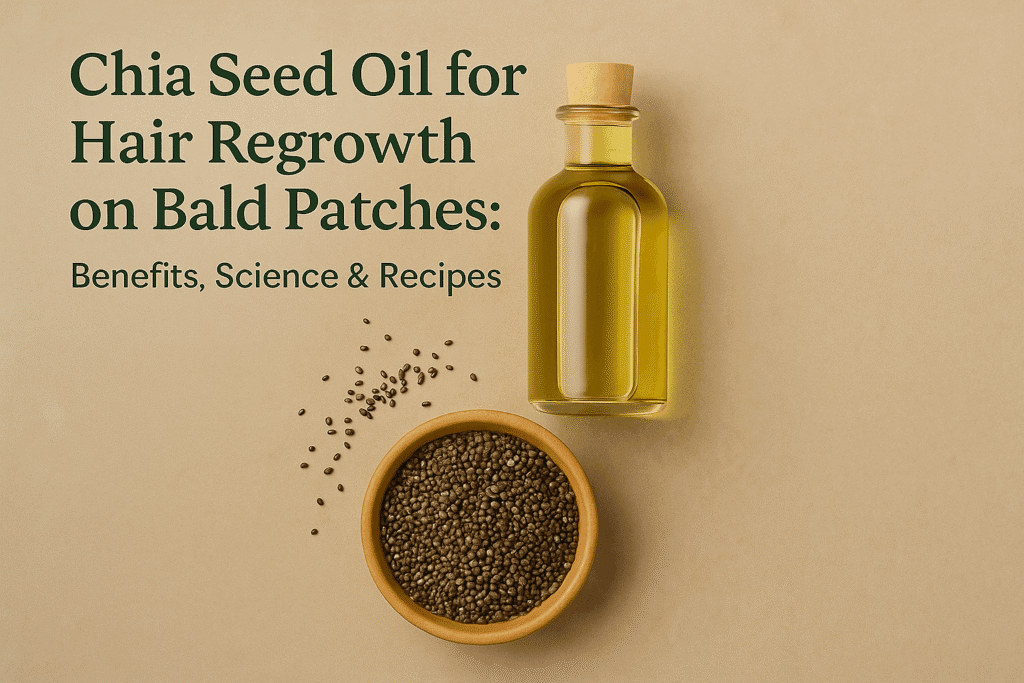
The Truth About Chia Seed Oil for Hair Regrowth on Bald Patches: Benefits, Science & Recipes

The Truth About Chia Seed Oil for Hair Regrowth on Bald Patches: Benefits, Science & Recipes

Introduction Hey there! Noticed a bald patch or thinning spot and wondering if chia seed oil could be your secret weapon? Let’s chat. By the time you finish reading, you’ll know exactly if it’s worth trying, how to use it, and what results you can realistically expect. 1. What Even Is Chia Seed Oil? You’ve probably eaten chia seeds in smoothies, but the oil? That’s the hidden gem. Cold-pressed from Salvia hispanica, this oil is packed with omega‑3s (ALA ~50–57%), omega‑6s, proteins, antioxidants, and minerals like zinc and copper (timesofindia.indiatimes.com, en.wikipedia.org). It’s lightweight, absorbs fast, and is gentle—perfect for scalp love. 2. Why It’s Worth Considering for Bald Patches Nourishes & Strengthens Omega‑3s and proteins support follicle health—improving elasticity and reducing breakage (thedailyguardian.com). Soothe Scalp Inflammation Those fatty acids also fight redness and flakiness. Ideal before regrowth . Boosts Shine & Tames Frizz A natural conditioning agent—adds glossy shine and seals split ends (instyle.com). Circulation from Massage Scalp massage increases blood flow. With nourishing oil, follicles get more nutrients and oxygen (thedailyguardian.com). 3. But Here’s the Real Talk: The Science Chia seed oil isn’t a miracle cure for baldness—but it creates the right environment. 4. DIY Chia Seed Oil & Hair Potions (Totally Kitchen-Friendly) A. Cold-Pressed Chia Seed Oil You need: B. Chia + Rosemary Scalp Elixir Mix 1 tbsp chia oil with 5 drops of rosemary essential oil. Rosemary promotes circulation—perfect for patchy spots. C. Deep Nourishing Mask 1 tbsp chia oil + 1 tbsp yogurt + 1 tbsp honey. Apply from roots to ends, cover with a cap, leave 30–45 minutes, rinse. D. Leave-In Conditioner Mist Add 3–4 drops of chia oil to water in a spray bottle. Spritz damp hair to control frizz and lock moisture. E. Chia–Aloe Pre-Shampoo Gel Soak ¼ cup chia in 2 cups water until gel forms. Add 2 tbsp aloe vera and a few drops peppermint oil. Apply to scalp 20–30 minutes before shampoo. Great for dandruff and scalp refreshing (reddit.com, nutraj.com, thedailyguardian.com). 5. How to Use It on Bald Patches (Simple Routine) 6. How It Stacks Up & Plays Well with Others 7. Boost Your Hair Game (Inside & Out) 8. Safety & What to Watch For 9. Real Users, Real Feedback for Chia Seed Reddit users love chia gel for shine and detangling: “it’s absolutely changed my wash days… my hair is so juicy and soft… slip cut detangling time in half” (reddit.com, ) A female hair-loss user shared combining oils (rosemary, flax, castor) and consistency led to new hairs—even in bald spots: “in 6 months‑1 year I started to see the difference… some new hairs in the small bald areas” (reddit.com) While these don’t prove chia does it alone, they show oil + care + consistency can work wonders. 10. Quick FAQ Q: Can chia seed oil cure bald patches?A: Not on its own. But it nourishes follicles and supports regrowth if loss isn’t genetic or hormonal. Q: When might I see changes?A: Give it 3 months. You’ll first notice healthier scalp and stronger strands; baby hairs may follow. Q: Safe daily?A: Yes, but you’ll do just fine with 2–3 sessions per week unless your scalp is super dry. Q: Side effects?A: Rare—mostly allergic reactions. Always patch test. Q: Pregnancy-friendly?A: Generally safe, but check with your doc if you use essential oils like rosemary/peppermint. 11. Final Thoughts Chia seed oil isn’t magic, but it’s a nourishing, affordable, and low-risk way to boost scalp health—and that’s a crucial step in regrowing hair. Combine it with good habits, essential oils (if your scalp loves them), and consistency—and you’ve got a solid natural routine. Curious to try? Start with the cold-pressed oil, do the mask once a week, add a leave-in mist, and track progress with photos. Let me know how it goes—or share your own tips below!

The Truth About Chia Seed Oil for Hair Regrowth on Bald Patches: Benefits, Science & Recipes Read More »

pumpkin Seeds benefits

10 Proven Health Benefits of Pumpkin Seeds You Need to Know

Introduction Have you ever thrown out the seeds after you were finished carving your pumpkin? You might want to reconsider. Pepitas or little green seeds, have many health benefits. They are nutrient-rich and loaded with benefits to your health. Let’s find out why pumpkin seeds are deserving of a place in your meals every day. 1. Nutrient-Rich Powerhouses Pumpkin seeds are rich in nutrients that are good for us. Aprx 160 calories, 8 grams of protein, 14 grams of fat and 2 grams of fiber are found in a 1-ounce (28-gram) portion. They are good sources of magnesium, zinc, iron and manganese which help provide you with daily dietary nutrients. 2. Heart Health Support The high amount of magnesium in pumpkin seeds makes them valuable for heart health by helping reduce blood pressure and aid the heart. What’s more, healthy fats in these seeds can help manage cholesterol levels in your body. (The Times of India) 3. Blood Sugar Regulation Pumpkin seeds have a positive influence on blood sugar, due to the high magnesium found in them. Being rich in magnesium, these seeds can make it easier for people with diabetes to control their blood sugar levels. 4. Enhanced Sleep Quality Struggling with sleep? Since pumpkin seeds have tryptophan, the body uses it to make serotonin and melatonin, two hormones responsible for good sleep. Eating a handful of pumpkin seeds before going to bed might support better sleeping. 5. Immune System Boost Pumpkin seeds are high in zinc and iron which is important for a strong immune system. Zinc is important for the immune system and iron helps with supplying oxygen to all parts of the body, both are needed for good health. (Hindustan Times) 6. Prostate and Urinary Health Many people have turned to pumpkin seeds to help maintain healthy prostate function. It has been suggested that these seeds may ease the symptoms of BPH and improve urine flow. 7. Bone Strength Maintenance Pumpkin seeds which have a lot of magnesium and phosphorus, help keep our bones strong. Taking in milk and milk products regularly can maintain the strength of bones and lower the risk of osteoporosis, mainly for postmenopausal women. 8. Digestive Health Promotion Eating pumpkin seeds supports digestion and causes regular trip to the bathroom. Adding these seeds to your food can promote gastrointestinal health and help prevent constipation. (The Times of India) 9. Potential Cancer Risk Reduction Antioxidants like vitamin E and carotenoids found in pumpkin seeds may guard the cells against any damage and lower inflammation. Some research shows that these qualities may help decrease the risk of diseases like breast and prostate cancer. 10. Weight Management Aid Because they are high in fiber and protein, pumpkin seeds can make you feel full which helps you consume fewer calories overall. Choosing them as snacks or part of your meals can help you manage your weight. (Business Insider India) How to Incorporate Pumpkin Seeds into Your Diet Potential Side Effects and Considerations Generally, pumpkin seeds are good for most people, but it’s important to keep the amount you eat under control. Eating a lot of them can result in gaining weight as they have lots of calories. Allergic reactions are also possible for some. Consult your doctor before trying new meals in your diet. Conclusion Besides being eaten during autumn, pumpkin seeds have many other uses. They are a great source of nutrients and can be helpful for different parts of your health. These seeds can help the heart and promote good sleep and they make a healthy difference when included in your diet. Next time, try eating pumpkin seeds—it can only do your body good!

10 Proven Health Benefits of Pumpkin Seeds You Need to Know Read More »

benefits of organic seeds

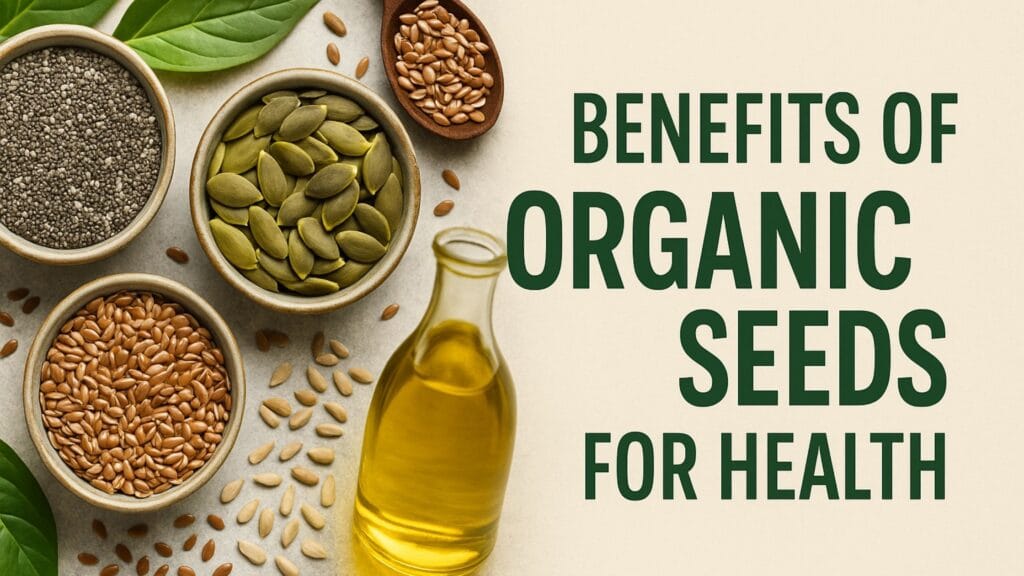
Benefits of Organic Seeds for Health

Introduction If you’ve ever found yourself wandering through the health food aisle, marveling at the little packages labeled “organic seeds,” you’re not alone. The extremely small powerhouses received tremendous popularity due to their multiple benefits. The nutritional value of organic seeds along with their numerous health advantages makes them a basic yet important dietary enhancement. The nature and significance of organic seeds should be explained to everyone. I will lead you through a path showing how organic seeds deliver numerous health-enhancing advantages that strengthen your vitality. What Are Organic Seeds? We should establishing the fundamental principles first. Organic seeds follow their name’s description by growing without exposure to any synthetic pesticides or herbicides or fertilizers. Urban farmers grow their seeds in ways which protect both the environment and your human organs.Some of the most commonly known organic seeds include chia seeds together with flaxseeds and pumpkin seeds and sunflower seeds. Your meals benefit from these seeds as nutritious snacks which offer significant advantages for maintaining a healthy lifestyle. These seeds are much more adaptable in their uses than people usually expect. Why Go Organic? Non-organic seeds acquire harmful chemicals in the field that stay present after the seeds are harvested. The higher investment for organic seeds pays off since these seeds contain more nutritious components and no unsafe synthetic residues. Organic plants grow by methods that protect both natural systems and ecosystems. Your selection of organic produces two beneficial results: it enhances your health and benefits ecological systems. Nutritional Goldmine Let’s dive into the nitty-gritty of why these seeds are so special. Here’s a quick rundown of their stellar nutritional profile: These nutrients pack a serious punch and make organic seeds an easy way to boost your daily nutrient intake. Health Benefits of Organic Seeds The main benefits of organic seeds are coming up. The wellness advantages of these tiny seeds represent what benefits they offer to your system. Turns out, quite a lot! People should consider organic seeds when aiming to maintain cardiovascular wellness. Flaxseeds alongside chia seeds contain abundant omega-3 fatty acids which both decrease harmful cholesterol levels while promoting good heart health. Pumpkin seeds contain magnesium which works as a regulative force for blood pressure management. Has your body ever experienced feelings of digestive distress? healthy seeds provide essential help for various needs. Organic seeds supply your digestive system with fiber that helps maintain proper gut health and aids smooth bodily movements. Chia seeds become gelatinous after combining with fluid so they serve as a digestive aid and help defend against constipation. People who want to achieve weight loss goals or keep their weight stable should look at Natural seeds for a solution. People who use Seeds experience major benefits in their lives. Consuming these seeds provides feelings of satisfaction since their protein together with fiber keep you from reaching for less nutritious foods. The stabilizing effect of organic seeds on blood sugar levels stops those energy crashes from happening. People seeking radiant skin together with beautiful shiny locks should consider implementing organic seeds. You can use sunflower seeds along with flax seeds to receive antioxidant and essential fatty acids benefits for skin and hair health from the inside out. The skin elasticity benefits from taking vitamin E specifically. Ladies, listen up! The substance lignans in flaxseeds helps the body maintain balanced estrogen concentrations. The positive effects of seed intake become particularly useful for menopausal women and individuals who need to balance their hormonal changes. How to Incorporate Organic Seeds Into Your Diet Organic seeds present a simple usage method which makes them stand out as an excellent option. Here are a few simple ideas: Start your day with seeds only after you check the suggested intake amount and maintain moderation in consumption. Unlike most organic seeds their excessive consumption could sometimes cause adverse intestinal effects in the digestive system. Organic Seeds vs. Non-Organic Seeds People often inquire about the real enhanced value of organic seeds. The short answer: yes. Weak pesticides exclude organic seeds which also provide enhanced nutritional content compared to regular seeds. Non-organic seed products may offer lower initial prices but they present two potential drawbacks in pesticide contamination and reduced nutritional benefit. The sustainable methods used in organic farming let you benefit yourself and the environment at the same time. Win-win! Conclusion Even though Natural seeds are tiny yet strong in nutritional content. The various health benefits of organic seeds include heart health improvement and skin glow enhancement because they contain many essential nutrients. The best part? Healthy seeds adapt well to various eating occasions while presenting no difficulty in integrating into common meals. Shopping for natural seeds becomes beneficial when you stop at the grocery store. Organic seeds will produce appreciation from your body and planet. The small seeds bring substantial benefits to everyone no matter if they practice wellness as a veteran or as a newcomer.

Benefits of Organic Seeds for Health Read More »

Shopping Cart