We all start Navratri fasting with the best of intentions. We want to feel light, spiritually grounded, and physically refreshed. But by day three? You’re likely feeling sluggish, irritable, and constantly scanning the kitchen for mid-day snacks. It’s a common trap. Our traditional vrat food is incredibly comforting, but it is often a heavy mix of simple starches, think potatoes, sabudana, and deep-fried puris. These give you a quick spike, followed by a massive energy crash. If you swap these for slow-burning, nutrient-dense alternatives like quinoa and organic seeds, you’ll stay genuinely full and energetic throughout your fast.
When you’re juggling work, family, and poojas, your body needs real, sustaining fuel. You don’t have to compromise on your health goals to honor your traditions. Let’s look at how to upgrade your Navratri thali with clean nutrition that keeps you light, focused, and charged up from morning to night.
Why Navratri Fasting Food Quinoa is the Ultimate Clean Protein Source for Vrat
Ask anyone about Navratri foods, and they’ll instantly list sabudana khichdi, kuttu ki puri, or singhara halwa. These traditional classics are wonderful, but they can leave you feeling heavy or bring on sudden energy dips. That’s why navratri fasting food quinoa is such a brilliant modern addition to your festive kitchen.
You might wonder: is quinoa actually allowed during a fast? Botanically speaking, yes. Quinoa isn’t a grain, pulse, or legume, which are the typical restricted food groups during Hindu fasts. It’s actually a “pseudo-cereal.” In simple terms, it is the seed of a leafy plant closely related to spinach and amaranth (rajgira). Since it’s entirely a seed, it fits perfectly into traditional vrat guidelines. It’s a fantastic way to break the monotony of your fasting meals.
Staying active and keeping your stamina high during a fast isn’t easy, especially since typical vrat meals are notoriously low on protein. This is where quinoa shines. It’s one of the rare plant-based foods that counts as a complete protein. That means it naturally gives you all nine essential amino acids your body cannot produce on its own. These are the building blocks your body needs to recover, keep your metabolism firing, and stay strong while managing your busy day.
It doesn’t stop at protein, quinoa is also loaded with dietary fiber. Fast-digesting starches leave you starving an hour after eating. In contrast, the complex carbs and fiber in quinoa break down slowly. This gradual digestion releases steady energy into your bloodstream, helping manage healthy blood sugar levels and saving you from those sudden crashes that make you crave sugary vrat sweets. Plus, all that fiber keeps your digestion smooth, saving you from the bloating and sluggishness that deep-fried potatoes or sabudana often bring.
The Ultimate Navratri Fasting Food Quinoa Pulao Recipe with Kaddu ke Beej
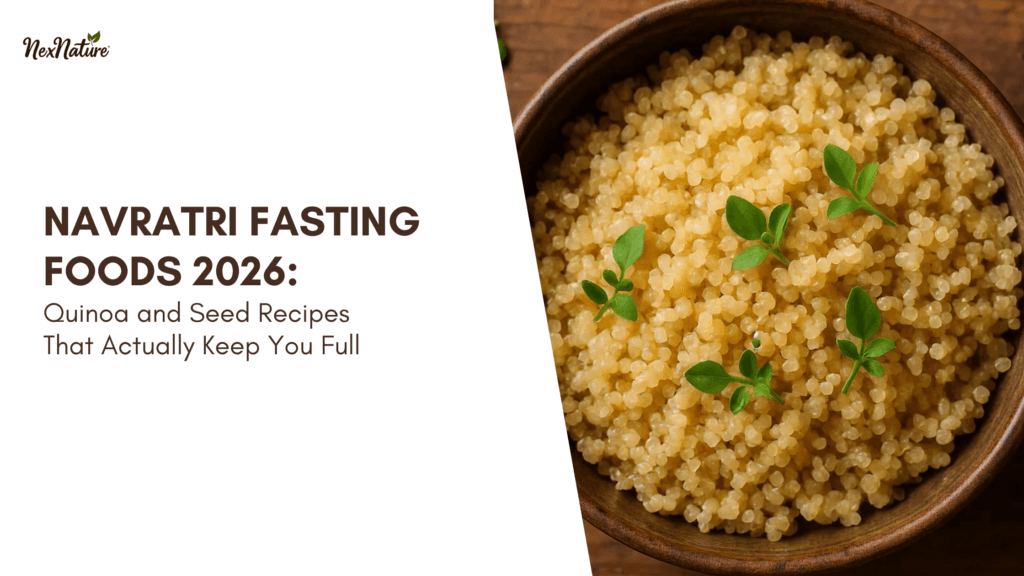
If you love the comforting warmth of a traditional vegetable pulao or sabudana khichdi, you’ll fall in love with this light, fragrant Quinoa Pulao. It takes less than twenty minutes to whip up and hits the perfect nutritional sweet spot: complex carbs, clean protein, and healthy fats.
Ingredients You’ll Need:
- 1 cup quinoa (thoroughly rinsed to remove any bitter natural coating)
- 2 cups water
- 1 tablespoon ghee or peanut oil
- 1 teaspoon cumin seeds (jeera)
- 1–2 green chilies, finely chopped
- 1 inch ginger, grated
- A handful of roasted peanuts (roughly crushed)
- Rock salt (sendha namak) to taste
- Fresh coriander leaves for garnishing
- 1 tablespoon fresh lemon juice
- 3 tablespoons roasted pumpkin seeds (kaddu ke beej) from nexnature.in
Step-by-Step Cooking Guide:
- Prep the Quinoa: Put your quinoa in a fine-mesh strainer and rinse it well under cold running water for a minute, rubbing the seeds with your fingers. Don’t skip this, it washes away saponin, a natural compound on the outer coat that can make quinoa taste slightly bitter.
- Cook the Base: Heat your ghee or peanut oil in a deep pan over medium heat. Toss in the cumin seeds and let them crackle. Add the green chilies and grated ginger, sautéing for about 30 seconds until your kitchen smells amazing.
- Toast the Quinoa: Tip the rinsed, drained quinoa into the pan. Stir-fry it gently with the spices for a minute or two. Lightly toasting the quinoa first brings out a lovely, rich, nutty aroma.
- Simmer and Steam: Pour in the water and add sendha namak to taste. Bring it to a boil, then drop the heat to low. Cover the pan with a tight lid and let it simmer undisturbed for 15 minutes.
- Fluff and Garnish: Take the pan off the heat and let it rest, still covered, for another 5 minutes. Take off the lid and fluff gently with a for, you’ll see tiny, spiral-like halos, showing the seeds have opened beautifully. Fold in the crushed peanuts, lemon juice, and fresh coriander.
- The Final Crunch: Just before you serve, scatter a generous handful of roasted pumpkin seeds (kaddu ke beej) on top.
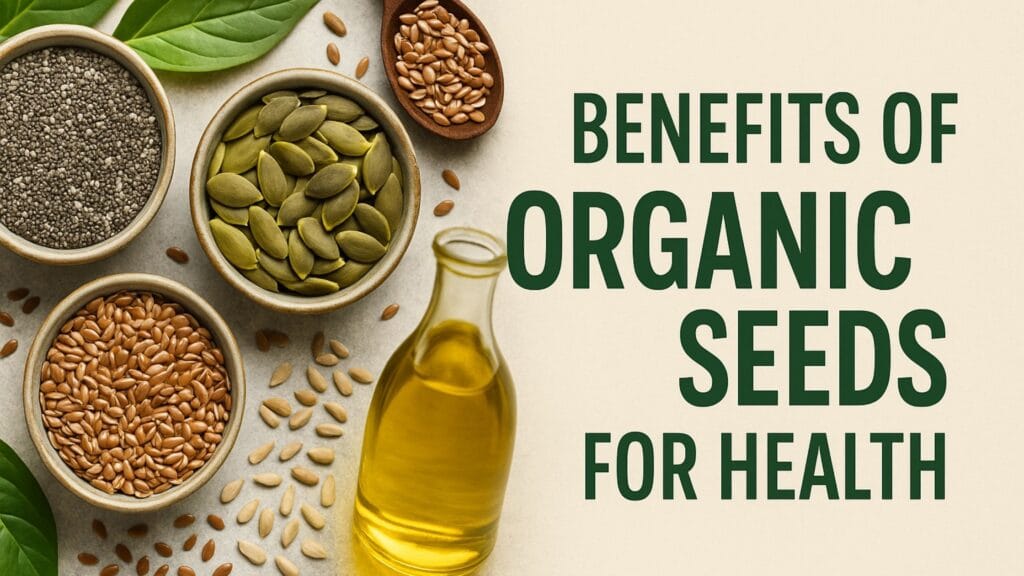
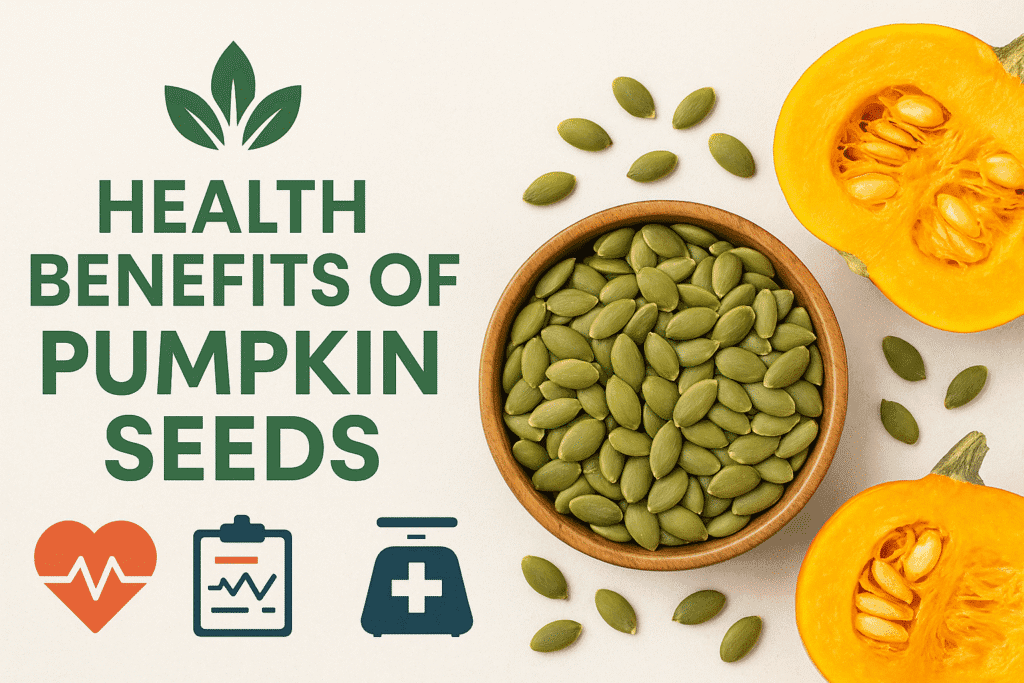
Adding roasted pumpkin seeds isn’t just for a satisfying crunch. These little seeds are packed with healthy fats and magnesium, both of which are incredibly important for keeping your energy levels up and supporting muscle function while you fast.
To make it a complete meal, serve the warm pulao with a bowl of fresh cucumber raita. The cooling dahi balances the warm spices of the pulao beautifully. Plus, the healthy fats in the pumpkin seeds and yogurt help your body absorb fat-soluble vitamins, making your meal as nourishing as it is delicious.
Power Up Your Yogurt and Fruit Bowls with Nutrient-Rich Vrat Friendly Seeds
During Navratri, many of us fall back on simple fruit bowls and sweetened dahi for quick meals. Yes, fruits are loaded with vitamins and hydration, but eating them on their own can cause your blood sugar to spike and then crash, leaving you sluggish and hungry a short while later. An incredibly simple way to fix this is by mixing in vrat friendly seeds like chia and alsi (flax seeds).
Stirring in organic chia and flax seeds adds a powerhouse of soluble fiber and healthy omega-3 fatty acids to your bowl. When chia seeds meet liquid, they swell and form a soft gel in your stomach. This gel naturally slows down how quickly your body absorbs sugars from the fruit, giving you sustained energy instead of a mid-day slump. Flax seeds (alsi) do something very similar, but make sure to grind them lightly first our bodies can’t break down their tough outer shells, so whole seeds will pass right through without releasing their goodness.
Here is a quick-assembly recipe for a fasting-friendly yogurt parfait that you can whip up in less than five minutes:
The Fasting-Friendly Seed and Yogurt Parfait
- The Base: Whisk one cup of thick, unsweetened curd or hung dahi until smooth.
- The Seed Layer: Stir in a tablespoon of pre-soaked chia seeds and half a teaspoon of roasted, ground alsi.
- The Fruit Layer: Toss in chopped seasonal fruits, apples, pomegranates, and bananas are perfect. Layer them on top.
- The Crunch: Top it off with a generous tablespoon of raw or lightly toasted sunflower seeds.
This quick mix of creamy yogurt, sweet fruit, and earthy, crunchy sunflower seeds gives you a wonderfully balanced meal that covers all your nutritional bases: protein, healthy fats, complex carbs, and fiber.
When you’re eating seeds on an empty stomach during a fast, quality is everything. A fasting digestive system is sensitive and can easily react to impurities, dust, or chemical residues. That’s why it’s so important to choose FSSAI-compliant, unadulterated organic seeds. Clean, high-quality seeds keep your digestion happy, settled, and free from irritation, so you get all the nutritional benefits without any unwelcome stomach issues.
Beat Summer Heat with Sabja (Basil Seeds) and Kharbooja Seed Coolers
Depending on the month, Navratri often falls right during a seasonal shift when afternoon temperatures soar. Fasting in the heat can easily lead to mild dehydration, low blood pressure, and acidity. And let’s be honest, gulping down tea or coffee on an empty stomach only makes things worse. Instead, turn to time-tested, cooling seeds like sabja (basil/tukmaria seeds) and kharbooja (muskmelon) seeds to keep your system calm and comfortable.
Sabja seeds are a classic Indian household treasure. Toss them in water, and they swell up in minutes, forming a soft, gelatinous coat. Traditionally, sabja is prized for its natural cooling effect. It helps regulate your internal body temperature and gently coats the stomach lining, which is a lifesaver for fasting-induced acidity or heartburn.
Muskmelon (kharbooja) seeds, on the other hand, are highly underrated. Most people throw them away, but blending these white seeds into your summer drinks adds an incredibly rich, creamy texture. They are packed with plant-based protein and healthy fats, meaning you can whip up thick, satisfying beverages without relying on heavy dairy creams or artificial thickeners.
Here is a quick, refreshing recipe for a Mint-Sabja-Kharbooja Seed Lemonade that will keep your hydration levels optimal and your palate refreshed:
Mint-Sabja-Kharbooja Seed Lemonade Recipe
- Soak the Sabja: Soak 1 teaspoon of sabja seeds in half a cup of water. Give them 5 to 10 minutes to swell up and turn beautifully translucent.
- Make the Melon Seed Milk: Blend 2 tablespoons of clean, raw muskmelon (kharbooja) seeds with half a cup of water until you have a smooth, milky white liquid. You can strain it if you like, though a good high-speed blender usually leaves it completely grit-free.
- Mix the Drink: In a tall glass, mix your fresh melon seed milk, the plump sabja seeds, the juice of a fresh lemon, a few torn mint leaves, and a pinch of sendha namak.
- Sweeten and Serve: Stir in a teaspoon of honey or raw sugar (if your family’s fasting traditions allow it), top up with chilled water or ice, and give it a good stir.
This light, refreshing drink is the ultimate afternoon pick-me-up. You get deep hydration from the sabja, clean plant protein from the kharbooja seeds, and a zesty kick from the lemon and mint. It’ll keep you hydrated, energetic, and completely comfortable through the warmest hours of the day.
Frequently Asked Questions
Is quinoa genuinely allowed in Navratri fasting?
Yes, absolutely. Quinoa is completely fine for Navratri fasting because botanically, it’s a pseudo-seed, not a cereal grain or grass. Since it belongs to the same plant family as spinach and amaranth (rajgira), it’s a perfectly compliant, grain-free way to pack clean nutrition into your vrat meals.
Which vrat friendly seeds are best for sustained energy?
Pumpkin seeds (kaddu ke beej) and sunflower seeds are brilliant for keeping your energy levels steady. They are packed with healthy fats, plant protein, and essential minerals like magnesium. Just throwing a handful into your meals slows down digestion, ensuring a steady, slow release of energy that lasts for hours.
Can I consume chia seeds and alsi (flax seeds) while fasting?
Yes, you can. Both chia seeds and alsi are clean, plant-based seeds that are highly beneficial for digestion during a fast. They are great for keeping hunger at bay and comforting your stomach. Just remember to lightly grind your flax seeds so your body can actually absorb all those healthy nutrients.
How does navratri fasting food quinoa compare to sabudana in terms of protein?
There’s a massive difference. Quinoa is a complete plant protein, meaning it has all nine essential amino acids. Sabudana (sago), on the other hand, is almost pure starch with next to no protein or fiber. Swapping your sabudana for quinoa keeps you full much longer, stops energy crashes in their tracks, and feeds your muscles so you stay strong and active.
Smart Fasting: Elevating Your Vrat Meals with Clean Nutrition
Fasting during Navratri is a beautiful way to hit pause, simplify our routines, and give our bodies a chance to rest and reset. But when our meals are dominated by heavy starches, deep-fried snacks, and loaded with sugar, we miss out on those benefits. The secret to a truly nourishing fast lies in moving away from simple carbs and choosing slow-burning, nutrient-rich foods instead. By adding premium pseudo-seeds like quinoa and organic seeds from NexNature to your daily routine, you can keep your energy rock-steady, avoid any digestive discomfort, and feel genuinely light and clear-headed.
Whether you want to maintain your physical strength, support your gut, or just enjoy delicious, wholesome meals, these simple seed and quinoa additions make a world of difference. You don’t need to completely overhaul your traditional recipes to feel the change. Just swap a portion of potatoes or sago for quinoa, or toss a spoonful of clean pumpkin, chia, or sunflower seeds into your meals. It completely changes how you feel throughout the day. Here’s to enjoying the festive season with a happy stomach, endless stamina, and the pure, simple goodness of clean nutrition!