Walk into any grocery store or scroll through fitness content, and seeds are everywhere. Chia in smoothies, flax in oats, pumpkin seeds sprinkled on salads. They have gone from “bird food” to “superfood royalty” almost overnight.
But here is the real question: are seeds really healthy or just trendy?
Let’s break it down the way a nutritionist would if you asked them over coffee. No hype, no exaggeration, just what actually matters for your health.
Are Seeds Really Healthy or Just Trendy?
Yes, seeds are genuinely healthy. They are packed with fiber, healthy fats, protein, and antioxidants that support heart health, digestion, and metabolism. But they are not miracle foods. Their benefits depend on portion size, preparation method, and your overall diet. Seeds enhance a good diet. They do not fix a bad one.
Why Did Seeds Become Such a Big Trend?
The popularity of seeds did not happen by accident. The rise of plant-based diets, social media influencers promoting superfoods, and the fact that seeds require zero cooking made them the perfect health trend. They are convenient, visually appealing, and backed by some real science, which is a combination that marketing loves.
But popularity has never been proof of effectiveness. So before you start adding seeds to everything, it is worth understanding what they actually do inside your body.
Nutritional Value of Seeds Explained
Seeds are genuinely nutrient-dense. Most varieties contain fiber, healthy fats including omega-3 and omega-6, plant-based protein, vitamins, minerals, and antioxidants. According to research, seeds are rich in fiber, healthy fats, and antioxidants that may help reduce blood sugar, cholesterol, and blood pressure levels.
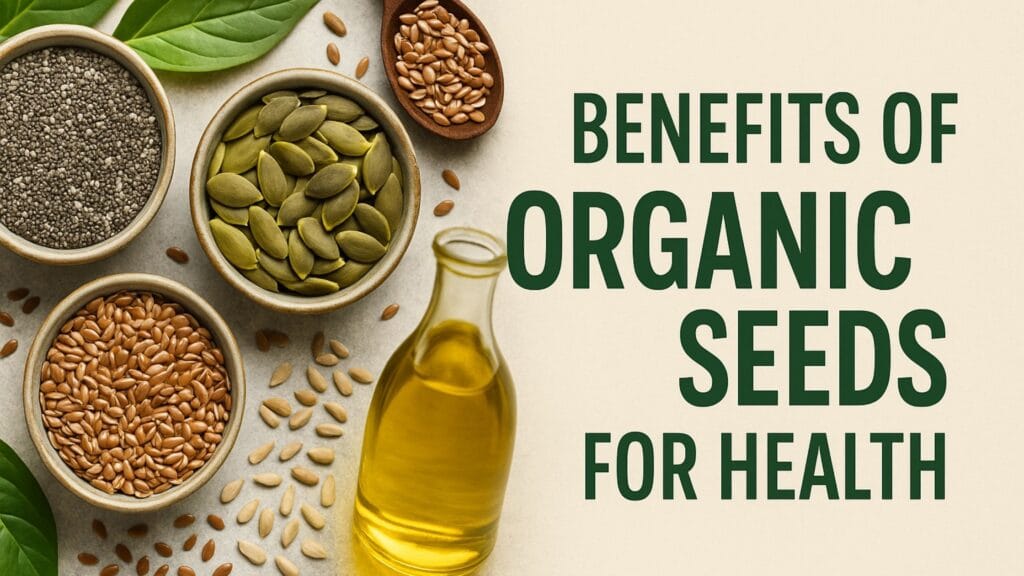
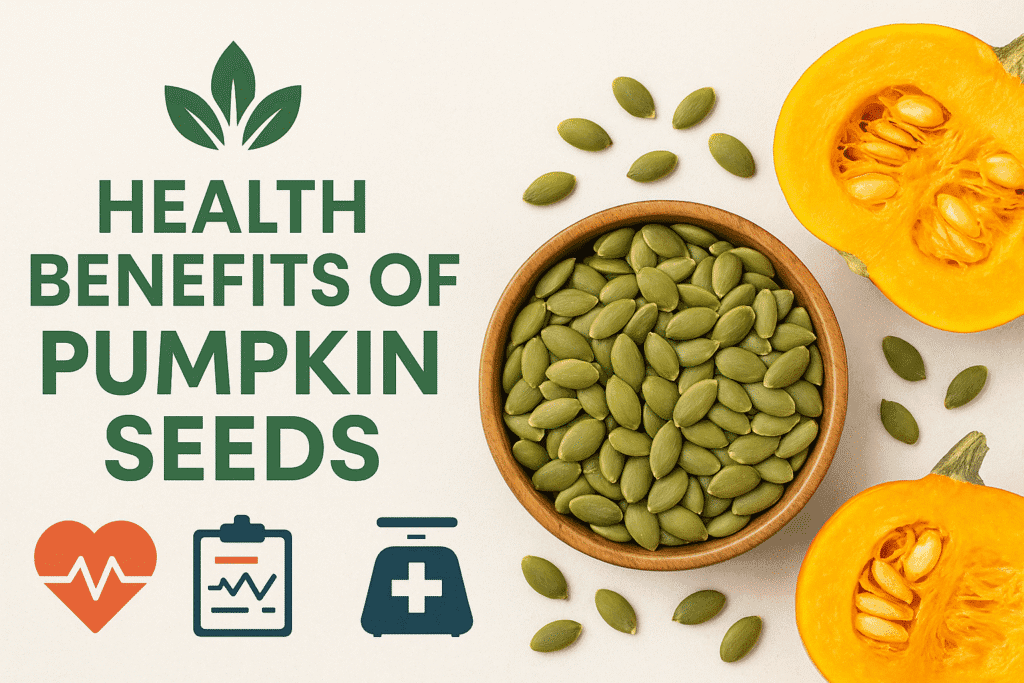
Each seed type also brings something different to the table. Chia seeds are high in fiber and omega-3. Flax seeds are rich in lignans and heart-friendly fats. Pumpkin seeds are loaded with magnesium and protein. Sunflower seeds are an excellent source of vitamin E. Just 2 tablespoons of chia seeds alone provide around 10 grams of fiber, which is roughly 35% of your daily requirement. Nutritionally, seeds earn their reputation.
Proven Health Benefits of Eating Seeds
When it comes to actual health benefits of seeds, the science is solid in a few key areas.
Seeds contain omega-3 fatty acids and fiber that help lower cholesterol, reduce inflammation, and improve blood vessel function. Flax and chia seeds specifically are linked to reduced heart disease risk. The fiber in seeds also slows digestion and glucose absorption, which means fewer blood sugar spikes and better insulin control over time. For anyone managing or preventing diabetes, this is not a small thing.
Beyond heart and blood sugar health, seeds feed beneficial gut bacteria, add bulk to digestion, and improve bowel regularity. They also help with weight management because the combination of fiber, healthy fats, and slow digestion keeps you fuller for longer, which naturally reduces unnecessary snacking. And on top of all that, seeds contain antioxidants that fight oxidative stress, which is linked to aging and chronic disease. That is a strong list of benefits from something the size of a fingernail.
Are Seeds Overrated? The Hidden Downsides
First, seeds are calorie-dense. A small handful can easily add 150 to 200 calories to your meal. If you are not mindful of portions, they can slow weight loss instead of supporting it. Second, eating too many seeds, especially without adequate water, causes bloating, gas, and constipation. If your body is not used to high fiber intake, start very small and increase gradually.
Third, and this is something almost no talks about, seeds contain anti-nutrients like phytic acid. Phytic acid binds to minerals like iron and zinc and reduces how much your body actually absorbs. This does not make seeds harmful, but it does mean preparation matters. Soaking or grinding seeds improves both digestion and nutrient absorption. Whole flax seeds, for example, often pass through the body undigested. Grinding them is the difference between benefit and just expensive fiber.
Finally, seeds are not cures. They reduce risk, they support health, they complement a balanced diet. But they will not reverse disease, replace exercise, or make up for poor nutrition elsewhere.
Seeds vs. The Superfood Myth: An Honest Look
The truth is seeds occupy a middle ground that most people do not talk about. They are scientifically healthy and slightly overhyped at the same time. Claiming seeds are superfoods that cure or transform health is a stretch. Claiming they are useless trends is equally wrong. They are nutrient-dense, well-researched, and genuinely useful, but only when used correctly and consistently as part of a broader healthy diet.
If you want to get the most out of seeds, grind or soak them before eating, keep your daily intake to around 1 to 2 tablespoons, vary the types you consume, and think of them as a long-term support tool rather than a quick fix. Effects are real but subtle. Seeds are more about maintenance and slow improvement than overnight transformation.
Frequently Asked Questions
Are seeds healthy for daily consumption?
Yes, in moderation. One to two tablespoons daily is ideal for most people.
Can seeds help in weight loss?
They can, but portion control is essential. Their calorie density makes it easy to overdo it.
Are seeds bad for digestion?
Only if eaten in excess or without enough water. Soaking helps significantly.
Which seeds are best for gut health?
Chia and flax seeds are excellent due to their high soluble fiber content.
Can eating too many seeds be harmful?
Yes. Overconsumption leads to digestive discomfort and excess calorie intake.
Final Verdict: Are Seeds Really Healthy or Just Trendy?
Seeds are both. Scientifically healthy, backed by real evidence, and genuinely useful for heart health, digestion, blood sugar, and weight management. Also slightly overhyped by wellness culture and social media.
Think of seeds as supporting actors in your diet, not the main character. Used consistently, in the right amounts, with proper preparation, they are one of the simplest upgrades you can make to your daily nutrition.
Real health does not come from one ingredient. It comes from the system you build around it. Seeds are a good brick. Just do not expect them to build the whole house.