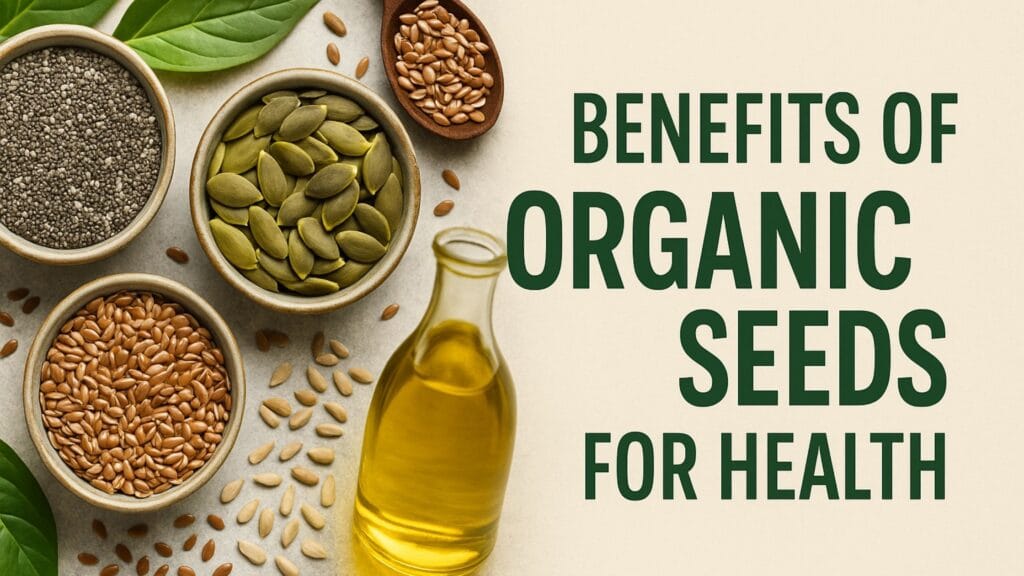
You know what it is like to live with diabetes, and you are already aware of the struggle, every bite is a choice. But here is one thing that most people miss out on; the smallest, most affordable, and most likely to be found in your grocery store are the best seeds to plant in diabetics. These miniature dynamos have been touted by nutritionists over the years, and the science supports them.
Seeds contain little carbohydrates, lots of fiber, and are full of healthy fats, along with plenty of minerals such as magnesium and zinc, which are also beneficial in the regulation of blood sugar. Regardless of your Type 1 or Type 2 diabetes, including the right seeds in your daily diet can make a significant contribution to your blood sugar management.
In this guide, we will take you through the best 7 seeds to manage diabetes, why they really work, how much to eat and the cleverest ways to incorporate them into your diet – including what most other blogs overlook entirely.
Why Seeds Are Among the Best Foods for Blood Sugar Control
Before we get into the list, we will quickly learn why seeds are so effective in the management of diabetes. It does not work magic, it is nutrition science.
- High soluble fiber slows glucose absorption, preventing post-meal blood sugar spikes.
- Healthy fats (omega-3s and monounsaturated) improve insulin sensitivity at the cellular level.
- Magnesium, found richly in seeds, is involved in over 300 metabolic processes, including insulin function.
- Low glycemic index means seeds themselves cause minimal blood sugar impact.
- Protein content promotes satiety and helps avoid overeating, a key factor in diabetes management.
According to research, the list of seeds that lower blood sugar, naturally, has been confirmed as not just folk wisdom, but also clinical studies and nutritionist-approved additions to a diabetic-friendly diet. A specific recommendation of the American Diabetes Association (ADA) is the inclusion of nuts and seeds in the balanced diabetes meal plan.
The Top 7 Best Seeds for Diabetics
1. Chia Seeds — The Blood Sugar Stabilizer
Chia seeds are easily the most thoroughly studied of all the best seeds to use in diabetes. Only 28 grams (approximately 2 tablespoons) has 11 grams of fiber -almost a half-day of your daily intake. The fact that fiber is a gel like material in your gut that slows the digestion of glucose by a factor of hundreds.
The study by Food Science and Nutrition in 2022 found that chia seeds enhance the performance of the beta-cells – the pancreatic cells that produce insulin. They also lower postprandial (after-meal) levels of glucose in both normal people and Type 2 diabetics.
Nutritionist tip:
- Recommended amount: 1–2 tablespoons per day
- Best ways to eat: Overnight oats, chia pudding, smoothies, or stirred into yogurt
- Glycemic Index: Very low (~1)
2. Flaxseeds — Omega-3 Powerhouse for Insulin Sensitivity
One of the richest plant-based sources of alpha-linolenic acid (ALA) an omega-3 fatty acid directly associated with the increase in insulin sensitivity, is flaxseeds. They are also sources of lignans, plant-based compounds that have potent antioxidant effects that help to reduce the inflammation associated with diabetes.
The insoluble fibre in flaxseeds helps to delay the absorption of glucose in the bloodstream making them a great diabetes management seed. The omega-3s, fiber, and lignans make flaxseeds exceptionally effective among individuals with both diabetes and cardiovascular risk.
Nutritionist tip:
- Daily dosage: 1-2 tablespoons of ground flaxseeds daily.
- Best foods to eat: Stirred into oatmeal, mixed in smoothies or used as an egg substitute in baking.
3. Pumpkin Seeds — Magnesium-Rich Blood Sugar Regulators
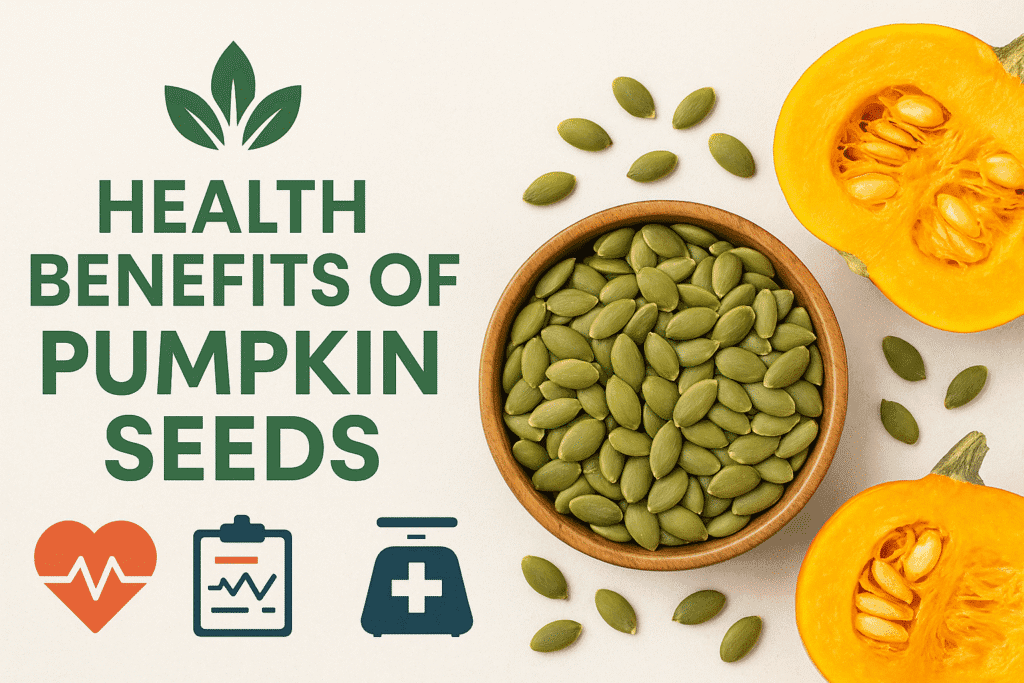
One of the best seeds that diabetics can use to reduce the level of sugar in the blood in a more natural way is pumpkin seeds, due to their outstanding magnesium levels. One ounce will supply an individual about 37 percent of the daily magnesium need – and the research findings have consistently demonstrated that people with Type 2 diabetes have lower magnesium levels.
In one randomized placebo-controlled clinical trial, pumpkin seed addition to mixed meals was found significantly reduce postprandial levels of blood glucose. They also contain zinc which aids in the production and storage of insulin in the pancreas.
Nutritionist tip:
- Recommended amount: A small handful (about 28g) as a snack
- Best methods of cooking: Roasted as a snack, sprinkled on salads, stirred into soups.
4. Fenugreek Seeds — The Traditional Diabetes Fighter
The Ayurvedic medicine has long known the use of fenugreek (methi) seeds in the control of blood sugar levels, and modern science concurs with this, finding fennugreek seeds to be effective agents in the treatment of Type II Diabetes. They have high soluble fiber, namely galactomannan, which slows down carbohydrate digestion and glucose absorption. Clinical trials indicate that increased doses have a greater effect in lowering blood sugar (hypoglycemic effect).
The compounds that stimulate direct secretion of insulin can also be found in fenugreek seeds, which is why they are particularly helpful in managing Type 2 diabetes. They form some of the most thoroughly researched diabetic-friendly seeds in both Eastern and Western nutritional studies.
Nutritionist tip:
- Recommended amount: 5–10g per day (soaked overnight is most effective)
- Best recipes: Soak overnight in water and drink the water in the morning; add to dal or curry.
5. Sunflower Seeds — Vitamin E & Healthy Fats for Steady Energy
Sunflower seeds are among the most ideal sources of vitamin E – a potent antioxidant that helps in protecting cells against oxidative stress, this being higher in individuals with diabetes. They also are low in carbohydrates and contain phytosterols, plant compounds which lower LDL cholesterol and help in cardiovascular health.
Sunflower seeds are a great protein to carb ratio when it comes to seeds to use as a diabetes management tool. Their healthy fats slow down the emptying of the stomach, prevent spikes in blood sugar after eating. Research associates better intake of vitamin E in the diet with reduced cases of heart disease – quite a worrying fact among diabetics.
Nutritionist tip:
- Recommended amount: 30g (about ¼ cup) per day
- Healthiest eating methods: Toss into salads, trail mix, homemade granola, or yogurt parfaits.
6. Sesame Seeds — Anti-Inflammatory & Blood Glucose Support
Sesame seeds are not popular yet they are one of the least known seeds that are diabetic friendly. A 2022 systematic review in Phytotherapy Research has concluded that the consumption of sesame seeds has a positive impact on the level of blood glucose. Sesame is a source of lignans (especially sesamin and sesamolin) which have been found to enhance insulin sensitivity and decrease inflammation.
They also contain a good amount of calcium, magnesium, and healthy fats – which are all beneficial to people with diabetes to maintain their bone health and cardiovascular risk. Since sesame is an ingredient that you can easily incorporate into your daily meals because it is used daily in Indian cooking (either as tahini or til laddoo or in sabzis), it is one of the easiest seeds that you can consistently add to your food.
Nutritionist tip:
- Recommended amount: 1–2 tablespoons per day
- Best ways to cook: Sprinkle over roti, sprinkle over stir-fries, use as tahini in dips.
7. Hemp Seeds — Complete Protein & GLA for Insulin Resistance
Hemp seeds are unique in being the only plant foods to contain all nine essential amino acids, making them a complete protein – a rarity in the plant world. They also contain a good amount of gamma-linolenic acid (GLA), which is an omega-6 fatty acid and has been clinically shown to reduce inflammation and improve insulin sensitivity.
Hemp seeds provide a twofold advantage to individuals with Type 2 diabetes, where insulin resistance is a primary concern: first, hemp seeds are a great source of protein that helps people feel full and satisfied. They have extremely low glycemic index and among the most nutritionally complete seeds to reduce blood sugar levels without the use of drugs or harmful substances.
Nutritionist tip:
- Recommended amount: 3 tablespoons per day (30g)
- Healthiest ways to eat: Add in raw form to smoothies, sprinkles on oatmeal, or mix in yogurt.
Quick Comparison: Best Seeds for Diabetics at a Glance
A side-by-side view of all seven seeds so you can easily choose which one you will focus on based on your health objectives:
| Seed | Key Nutrient | Main Benefit | Daily Amount | Best For |
| Chia Seeds | Fiber, Omega-3 | Slows glucose absorption | 1–2 tbsp | Post-meal spikes |
| Flaxseeds | Omega-3, Lignans | Improves insulin sensitivity | 1–2 tbsp (ground) | Insulin resistance |
| Pumpkin Seeds | Magnesium, Zinc | Lowers post-meal glucose | 28g snack | Magnesium deficiency |
| Fenugreek | Galactomannan | Stimulates insulin secretion | 5–10g soaked | High fasting glucose |
| Sunflower Seeds | Vitamin E, Healthy fats | Antioxidant + heart health | 30g (¼ cup) | Cholesterol + diabetes |
| Sesame Seeds | Lignans, Calcium | Anti-inflammatory | 1–2 tbsp | Inflammation + glucose |
| Hemp Seeds | GLA, Complete protein | Reduces insulin resistance | 3 tbsp (30g) | Type 2 diabetes |
How to Include Seeds in Your Daily Diabetic Diet
Here’s how to build seeds into your day without overthinking it:
- Morning: Add 1 tbsp ground flaxseed + 1 tbsp chia seeds to your morning smoothie or oatmeal. You’ve already hit two powerful seeds to lower blood sugar naturally before 9 AM.
- Mid-morning snack: A small handful of roasted pumpkin seeds instead of biscuits or chips. Same satisfying crunch, massively better for your blood sugar.
- Lunch: Sprinkle sesame seeds on your dal, salad, or sabzi. It takes 5 seconds and costs almost nothing.
- Pre-bedtime: Soak fenugreek seeds overnight in a small glass of water. Drink the water in the morning to help manage fasting blood sugar.
You don’t need to eat all seven seeds every day. Rotating between three or four consistently is enough. The key is consistency over variety.
For more guidance on building a complete diabetic-friendly meal plan, visit the American Diabetes Association nutrition page, which provides evidence-based dietary guidelines for people with diabetes.
Important Warnings: Seeds That Diabetics Should Be Careful With
Not all seeds are created equal for people with diabetes:
- Salted, flavored seeds: Commercial roasted seeds with a lot of salt and oil can increase blood pressure and contribute to unnecessary calories. Always select those that are unsalted.
- Sesame seed candy (til chikki): Despite sesame seeds being healthy, the sugar or jaggery in chikki makes this a blood sugar trap.
- Fenugreek and drugs: As discussed, fenugreek reduces blood sugar levels by itself. When used together with diabetes medication, it is able to cause hypoglycemia (dangerously low blood sugar). Never talk to your doctor without first consulting him or her.
- Oversaturation: Seeds contain a lot of calories. Even the finest seeds to diabetics may lead to weight gain when consumed in excessive amounts. Eat in moderation.
FAQs: Best Seeds for Diabetics
Q1: How much seeds should a diabetic eat per day?
The majority of nutritionists suggest that total seed consumption should be limited to 2-4 tablespoons of different varieties of seeds per day. Seeds contain a lot of calories: about 150180 calories per 30g portion, and thus it is important to add them to meals rather than to replace them. It is best to start with a small amount (1 tablespoon) and then incrementally increase the amount to test the digestive tolerance.
Q2: Can seeds replace diabetes medication?
Absolutely not. Diabetes management seeds are nutritional supplements to your treatment plan – they help to control blood sugar but do not replace insulin, metformin or any prescribed medication. Never change your diet drastically without consulting your endocrinologist or dietitian.
Q3: Are seeds safe for people with both diabetes and kidney disease?
This is one of the key aspects that most blogs fail to consider. The seeds contain a lot of potassium and phosphorus. In patients with diabetic nephropathy (kidney complications brought about by diabetes), high potassium is hazardous. When you have nephrology and renal diabetes, it is important to consult your nephrology or renal dietitian before increasing the levels of seed intake significantly.
Q4: Is it better to eat seeds raw or roasted?
In the case of most seeds, it is best either raw or lightly dry-roasted. Do not use commercially oil-roasted or salted seeds. Certain seeds (such as flaxseeds) are not to be eaten in their whole form. Before consuming fenugreek and chia seeds, it is recommended to soak them to enhance bioavailability and food comfort.
Final Thoughts: Small Seeds, Big Impact on Blood Sugar
Being in control of blood sugar does not necessarily imply having to consume dull, restrictive food. The most diabetic friendly seeds are quite literally tasty, extremely adaptable, and supported by actual science. Though you might have chia seeds in your morning oats or you keep a small container of pumpkin seeds at your desk to snack, every small step counts.
Chia, flax, pumpkin, fenugreek, sunflower, sesame, and hemp seeds – each of them will add something new to your diabetic-friendly diet. You do not have to have all seven at the same time. Choose 2 or 3 that are consistent and fit your lifestyle and eating habits and follow-up on how your blood sugar reacts.
These naturally occurring seeds to reduce blood sugar are not in place of your prescribed treatment. They are a nutritional powerhouse – mini yet potent additions that nutritionists do recommend and have a very good reason to do so.
Medical Disclaimer: This article is for informational purposes only, not suitable for everyone. Always consult your healthcare provider or registered dietitian before making significant changes to your diet, especially if you are on diabetes medication.