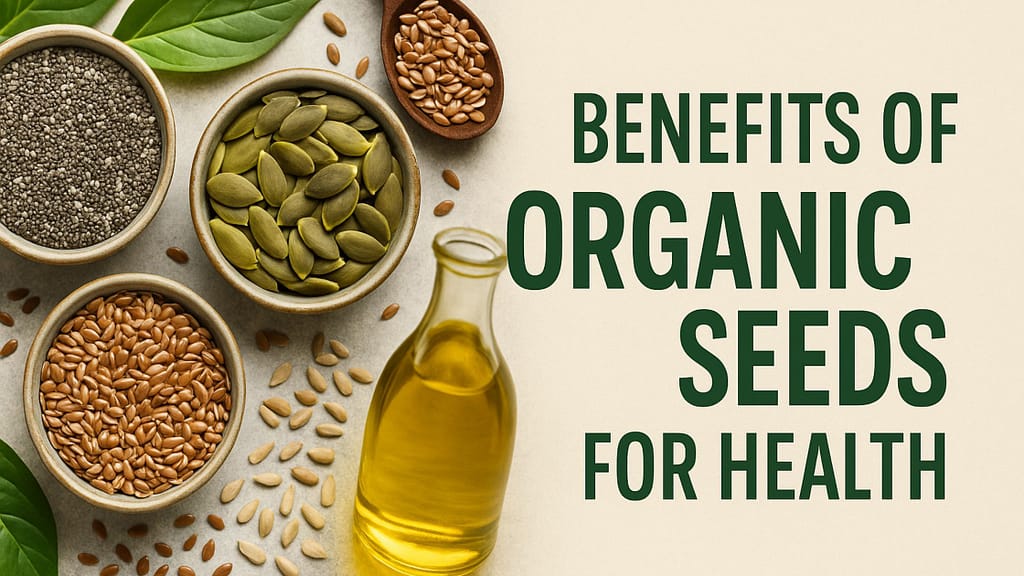
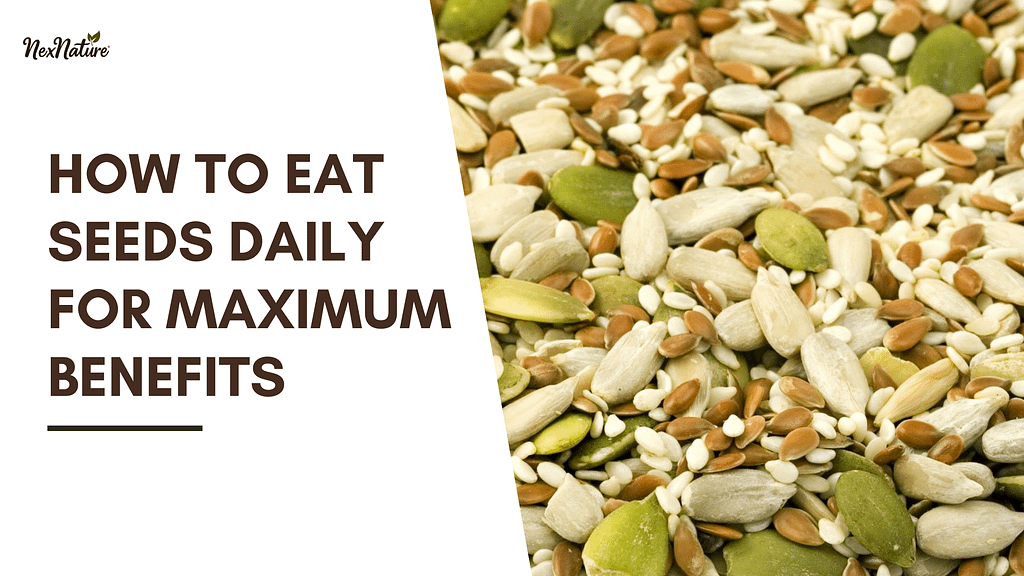
Seeds are the miniature sources of power in nature. Small yet powerful, once you are aware of how to consume seeds on a daily basis to get the full benefits, they are daily companions to digestion, cardiovascular, weight, and skin and a lot more. In this guide, we are going to breakdown all of this starting with what seeds to consume, how much, when to eat them, how to incorporate them in your actual meals- answer all the questions you may have about seed consumption on a daily basis.
1. Why Eating Seeds Every Day Actually Matters
Seeds are healthy foods high in nutrients, healthy fats, protein, fiber, micronutrients, and plant compounds that are difficult to continue to find so densely in other foods. Daily consumption of seeds is beneficial to address some of the most important health objectives, such as heart health, gut health, weight control, and blood sugar control due to their particular nutrient composition.
Seeds Nutrition Snapshot (per serving, average)
- Digestive and gut fibres.
- Fatty acids (Omega-3) of the heart and brain.
- Immunity, skin, and bone vitamin/minerals.
- Healthy fats to metabolic health and satiety.
- Vegetarian protein to build muscles.
The beauty of seeds? All you have to do is to consume a little every day and enjoy massive benefits.
2. Top Health Benefits of Eating Seeds Daily
The actual payoff on consuming seeds on a daily basis would be as follows:
Improved Digestion & Gut Health
Chia, flax and pumpkin seeds contain both soluble and insoluble fiber, which keeps bowel movements regular, lessens bloat, and nourishes the good bacteria of your gut. This fiber is a prebiotic which forms a healthier microbiome in the long run.
Heart Health Support
Regular consumption of seeds has been associated with changes in cholesterol levels (reduced LDL and increased HDL) and blood vessel functionality due to cardioprotective fatty acids in the form of omega-3. Research indicates that the frequent intake of seeds such as flax and chia may ameliorate the risk factors of cardiovascular diseases.
Weight Management & Appetite Control
The fiber and healthy fats content consumed in the seeds keeps you fuller longer, curbing the impulse to snack in the latter part of the day, and keeping your weight goals in check but not feeling deprived. Seeds contain long-lasting energy without sugar rushes on the blood.
Skin, Hair & Bone Support
Seeds also contain vital antioxidants, vitamin E, magnesium, zinc and calcium, which are important nutrients in keeping your skin elastic, hair strong, and bone density strong in old age.
Blood Sugar Balance
Fiber in the seeds makes the absorption of sugar in your blood slow thus helping to prevent blood glucose spikes after meals. This renders seeds to be of special benefit to anybody who is handling diabetes or prediabetes.
Brain Function & Mood Support
Omega-3 fatty acids especially flax and chia seeds aid cognitive functions, memory and possibly help to stabilize mood by decreasing inflammation in the brain.
3. Best Time to Eat Seeds for Maximum Absorption
Timing is not all, but a regular routine and intelligent timing in the day are capable of making the seeds-a-day routine more advantageous:
Morning Boost: Add in seeds to breakfast bowls or smoothies to jump-start the digestive system and give energy that will last throughout the day. Eating in the morning will ensure that metabolism is controlled.
With Lunch or Snacks: Sprinkle the seeds onto salads or combine them with yogurt to control the blood sugar levels and enhance the absorption of other foods you consume.
Evening Use: Light dinners or evening snacks with seeds can aid in winding up your body with consistent fiber and micro-elements that aid in the recovery and digestion of the body overnight.
The trick lies in being consistent–eating seeds approximately around the same time every day makes your body get accustomed to a schedule of good nutrient intake.
4. How Much Is Enough? Portion Sizes and Safety
Recommendation of intake per day: 1-2 tablespoons (15-30 grams) of mixed seeds daily. This is it because it is a large portion that gives you a lot of nourishment without overworking your digestive system or introducing a lot of calories.
It is better to begin with sizes (approximately 1 teaspoon) and then increase the doses with time (a span of a week) to ensure your digestive system gets used to the much more fiber in your body. Excess of them too fast may cause discomfort in the gastrointestinal tract, bloating, or calories overload.
Critical hint: Stiff seeds such as flax can be soaked or ground in order to be easier to digest and much more effective in terms of nutrient absorption. Whole flax seeds do not always get digested in your system so that you can reap the benefits of omega-3.
5. Best Seeds to Eat Every Day
There are the best seeds to include in your daily seed intake–their practical benefits and how to use them to benefit.
Chia Seeds
They are packed with fiber (11 grams per ounce), omega-3 fatty acids (ALA), and vital minerals such as calcium and magnesium. Chia seeds will assist in digestion, cardiovascular diseases and will ensure that you are satisfied until the next meal.
Use: Chia pudding can be used as a soak in water or plant milk, in smoothies, or as a sprinkle on yogurt bowls.
Flax Seeds (Ground)
Lignans (compounds found in plant life that are associated with heart health and hormonal equilibrium), high levels of omega-3, and high levels of fiber are provided by flax. Always make them ground so that your body can really take in the nutrients- whole flax seeds are undigested.
Preparation: Add ground flax into oat meals, combine in smoothies or include in breads and muffins.
Pumpkin Seeds
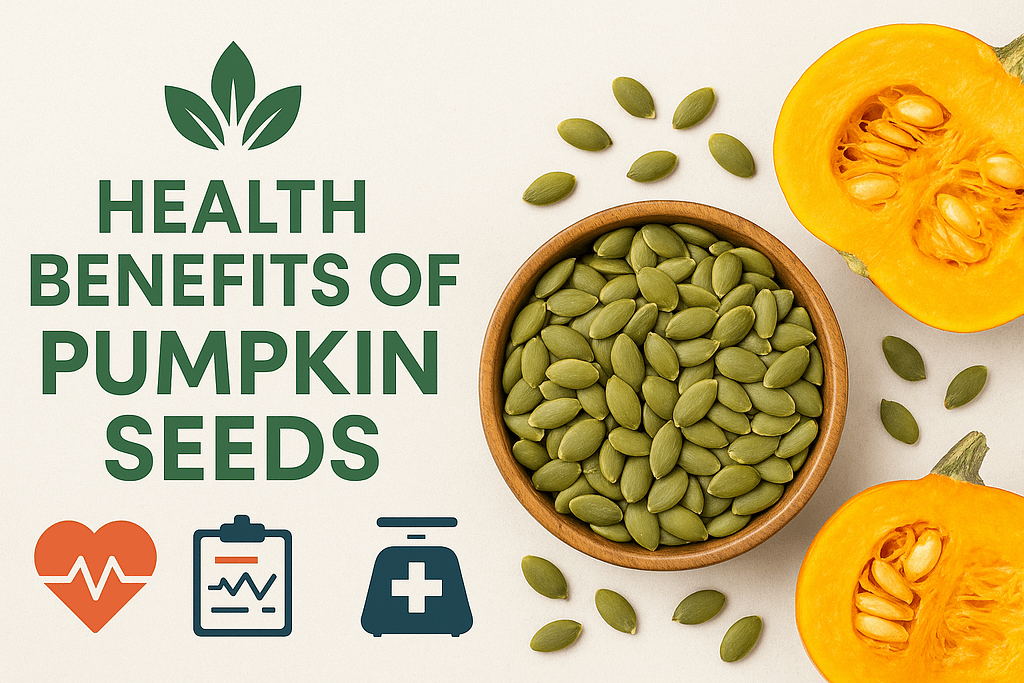
These healthy seeds are the sources of magnesium, zinc, protein, iron, and strong antioxidants. They are also great in immunity, muscle performance, and could be helpful in better sleep due to magnesium in them.
Use: Roast with favorite spices, toss on salads or have as a snack that is rich in proteins.
Sunflower Seeds
Sunflower seeds contain plenty of healthy fats, proteins, vitamin E and selenium which helps in boosting energy levels, maintaining skin health and giving it the natural anti-inflammatory effects.
Use: Add to trail mix, cereals, or yogurt in order to add some crunch, or spread sunflower seed butter.
Sesame Seeds
Sesame seeds are very rich in calcium, magnesium, iron, and lignans and can contribute to bone strength, heart health, and offer some of the essential minerals that are deficient in contemporary diets.
Usage: Sprinkle over breads, salads, stir-fries or apply tahini (sesame paste) in dressings and dips.
Hemp Seeds
These total protein powerhouses are a combination of all nine essential amino acids and balanced omega-3/ omega-6 ratio. Hemp seeds are very good in muscle recovery and nutrition.
How to use: Sprinkle on anything literally, salads, smoothies, pasta, or even eat them in large amounts.
6. Easy Ways to Include Seeds in Your Daily Diet
Seeds are not extra-curricular activities but rather extensions of what you already do. That is how you can eat seeds every day easily:
Breakfast Boost
- Chia and ground flax overnight oats.
- Pour over yogurt bowls or smoothie bowls.
- Add to morning smoothies to add more nutritional value.
Lunch Ideas
- Add mixed salads to give them a crunchy bite and nutrition.
- Combine coarse grain spices into chapati or multigrain dough.
- Make seed-chutneys, pestos, or salad dressings.
Smart Snacking
- Fruits, nuts and seeds trail mix that had been made at home.
- Roasted nuts with your preferred spices.
- Seed/date/nut butter bars or balls of energy.
Dinner Enhancements
- Sprinkle with crushed seeds over fish, chicken or tofu.
- Serve roast vegetables with toasted sesame seeds.
- Plant seeds in soups, stir-fries or grain bowls.
8. FAQ: Your Biggest Questions Answered
Q1: Can I eat seeds every day?
Yes! Eating seeds daily is healthy and beneficial when you stick to recommended portion sizes (about 15–30 grams or 1-2 tablespoons). Variety matters—rotate different seeds for broader nutrition.
Q2: What’s the best way to eat flax seeds?
Always grind flax seeds before eating to make nutrients bioavailable. Whole flax seeds often pass through your system undigested, and you’ll miss their omega-3 benefits.
Q3: Are chia seeds safe to eat daily?
Absolutely, but soak them first in liquid for 10-15 minutes to prevent digestive discomfort and reduce choking risk. Chia seeds absorb up to 10 times their weight in water.
Q4: How many types of seeds should I include?
Variety is powerful. Mixing 3–5 types of seeds gives you a broader nutrient spectrum and prevents boredom. Create your own signature seed blend.
Q5: Do seeds actually help with weight loss?
Seeds help control appetite through fiber and healthy fats, support stable energy levels, and aid digestion—all of which can support weight loss when combined with balanced eating and regular movement.
Q6: Should I soak all seeds before eating?
Not necessarily. Chia and flax benefit from soaking, but pumpkin, sunflower, sesame, and hemp can be eaten as-is or lightly toasted for enhanced flavor.
9. Your Daily Seed Strategy: Putting It All Together
Eat the seeds every day to get the most benefits, but include them in meals and not as an addition when eating. The winning plan is a mixture of small daily portions, ingenious preparation techniques (soaking or grinding, as needed) and ingenious means of making use of seeds which you really like.
Start with 2-3 seed varieties you like, establish a simple routine (like adding them to breakfast), and gradually expand from there. The key is consistency over perfection—even small daily amounts compound into significant health benefits over weeks and months.