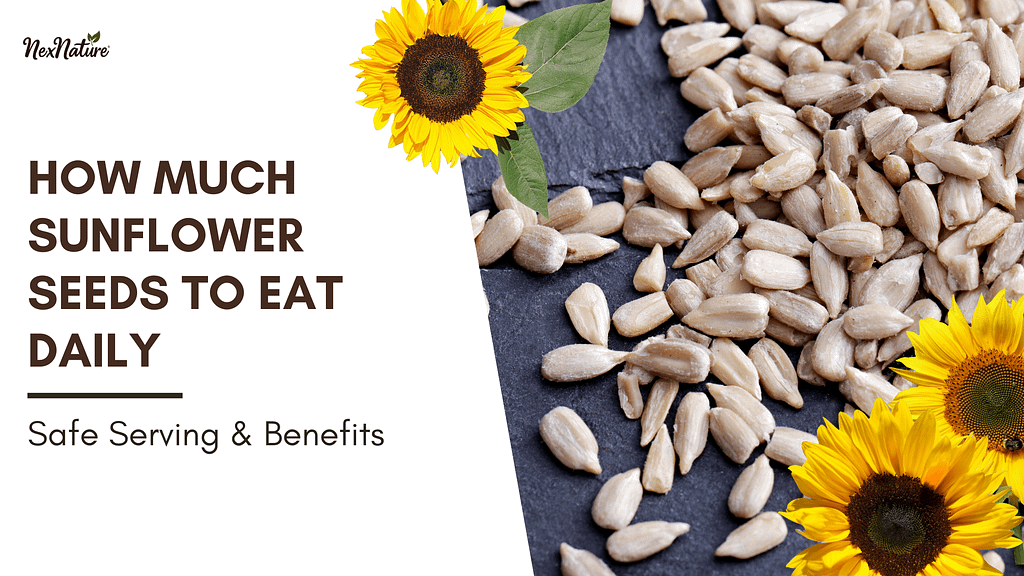
Have you ever been wondering how many sunflower seeds you should eat on a daily basis- you are not alone. Sunflower seeds have been hailed as a healthy snack, which is rich in nutrients, antioxidants and healthy fats. However, as in all good things, there is moderation. This post I am trying to provide you with a friendly and expert-style guide about the optimal daily consumption, the advantages, the possible dangers, and ways you can add sunflower seeds intelligently to your everyday diet. At the end you will realize just how many sunflower seeds you can safely (or profitably) eat in a day.
Nutrition Overview — What’s Inside Sunflower Seeds (per serving)
To begin with, we will put ourselves down to numbers. As per the nutrition information of a typical portion (1 ounce or 28-30 grams), approximately 1/4 cup or 1/4 full of shelled, dry-roasted sunflower seeds:
- Calories: ~165 kcal
- Total fat: ~14.1 g
- Protein: ~5.5 g
- Carbohydrates: ~6.8 g (including fiber)
- Fiber: ~3.2 g
- Vitamins and Minerals: Vitamin E (approximately 49 percent of the daily value in that portion), B vitamins (niacin, B6), folate, pantothenic acid, minerals such as magnesium, zinc, copper and manganese, selenium and trace iron are present in surprisingly high amounts in sunflower seeds.
- Antioxidants & plant compounds: In addition to macro- and micronutrients, sunflower seeds also have phenolic acids and flavonoids phenolic acids and flavonoids are natural antioxidants that prevent oxidative stress to cells.
Such a rich nutritional composition is what has made sunflower seeds such a favorable super-snack. But it also implies that you must be mindful of the size of your portion – 165 kcal and 14 g fat per ounce do not take long to get up.
What Research & Expert Guidance Says — Recommended Daily/Serving Intake
Then, what amounts of sunflower seeds to eat in a day is reasonable? As the various nutrition guide books and articles indicate, the general opinion appears to be:
- An appropriate, healthy portion is approximately one ounce (28-30 grams) a day of it (i.e. approximately 1/4 cup or a small handful).
- A large number of sources recommend keeping the amount to a maximum of 30 grams per day as an overall guide and avoid excessive calories, fats, or any other potential evils.
- There are nutrition sites that encourage the consumption of sunflower seeds 3-5 times per week, but not daily necessarily, it all depends on the whole diet, required calories, and health targets.
Altogether: regarding the majority of healthy adults, an approximate of 30 grams (1 ounce / small handful / 1/4 cup) per day – or close to it on regular days – appears to be a balance between benefit and harm.
Benefits of Eating Sunflower Seeds Daily (in Recommended Amounts)
One of the benefits sunflower seeds provide is a great deal of nutritional and health benefits when you maintain portion. Here are the main ones:
Heart & Cardiovascular Health
Sunflower seeds contain high amounts of healthy unsaturated fats, fiber and antioxidants all of which are helpful in keeping the heart healthy. The healthy fats have the ability of sustaining healthy cholesterol levels, and fiber promotes healthy blood lipid profile.
Antioxidant & Anti-inflammatory Effects
Vitamin E, selenium and plant compounds (such as phenolic acids and flavonoids) are high doses that make the sunflower seeds potent antioxidants. They aid in safeguarding your cells against attacks by free-radicals that may reduce the chances of chronic illnesses and aid in improving immunity.
Nutrient Boost & Overall Nutrition
Only 30 grams provide you with a good amount of protein, fibers, healthy fat, vitamins (E, B-complex), and the key minerals (magnesium, zinc, copper, selenium). That is why sunflower seeds are a convenient means of sustaining general health, energy, skin, hair, metabolism, etc.
Digestive Health & Satiety
Sunflower seeds contain fiber and protein which may make you feel fuller longer, which is good considering that you are watching your weight, or you are attempting to avoid snacking on unhealthy foods. Fiber also promotes good digestion.. Healthline
Additional Benefits (Skin, Bone, Immunity, Pregnancy Support)
Depending on your needs, sunflower seeds may offer benefits like improved skin health (antioxidants + essential fats), bone strength (via minerals like magnesium, phosphorus), immune support (zinc, selenium), and even nutrient support during pregnancy (folate, iron, B vitamins) according to some sources.
Potential Risks / What Happens If You Eat Too Much — Why Moderation Matters
Naturally – there are certain dangers or drawbacks should you take it to excess. You should be aware of these before you make such a decision as I will just have handful after handful.
High Calorie Density → Risk of Weight Gain
Since sunflower seeds are rich in calories and fats, consuming a larger amount than the suggested one (e.g. multiple handfuls per day) can result in the calorie-rich diet and potential weight gain, unless the rest of the diet is modified accordingly.
Sodium and Salt Content (if salted / shell-on)
A lot of commercially sold sunflower seeds (particularly shell-on or roasted/salted) contain salt added to them. This adds to the sodium content, which may be an issue to an individual with blood pressure problems or those who is observant of sodium. The Times of India
Heavy-Metal Exposure: Cadmium Concern
The most common omission or underemphasis of most feel-good blogs is that sunflower plants have a tendency of taking in heavy metals (such as cadmium) in the soil – and seeds may have them.
A test of commercial sunflower seed products established that some contained excessive cadmium per 30 gram serving – a range of approximately 4.8 mcg to 19.5 mcg per 30 gram of serving in some products.
Even though moderate intake (approximately, 30 g/day) has not been found causally related to kidney damage in some reports, the fact that cadmium exists means that regular overconsumption or snacking in life could increase risks in the long run, particularly on kidneys.
Digestive Issues, Shell-Related Risks
When you eat sunflower seeds with shell, or eat very large amounts, there have been reports of digestive difficulties, constipation, stomach ache, in extreme cases even constipation of the stool (where in extreme cases, shells or unchewed fragments of shells may be ingested).
Allergy Potential
Although seldom encountered, there are those individuals who are allergic to sunflower seeds – mouth or throat itch, swelling, breathing problems, skin reactions.
Over-reliance / Nutrient Imbalance
Excessive consumption of sunflower seeds (e.g. eating them on a daily basis and in large amounts) can create an imbalance (excessive fat, excessive calories, and neglecting other healthy foods, such as fruits and vegetables, lean proteins).
Factors That Can Change Ideal Intake (Personalization)
The ideal of all people is not similar. What is good to me may not necessarily be good to you. Some considerations, when making the choice of the quantity of sunflower seeds per day:
- Age & Life Stage: children, teenagers, adults, pregnant women nutritional needs, nutritional tolerances differ. As an illustration, there are also sources that indicate lower quantities to use by kids or a reduced frequency of consumption as opposed to every day.
- Overall Calorie & Activity Level: When you are very active you need a greater amount of calories, however, you also can burn more calories. Provided that they are primarily sedentary, an excess of high-calorie nuts/seeds may contribute to weight gain.
- Health Conditions: Kidney health (assuming heavy-metal sensitivity), blood pressure (assuming that a person is predisposed towards consuming salt), digestive sensitivity, allergies – all these factors can affect safe consumption.
- Form of Seeds: Seed Type Shelled vs shell-on, raw vs roasted, salted vs unsalted, sprouted vs regular – all have an impact on nutrient absorption, salt/fat/calorie profile, digestibility. As an example, salted versions or shell-on versions can increase undesired sodium levels or the possibility of consuming shell pieces. Raw sprouted seeds might be healthier to digest (some of them) but they can be at risk of bacterial contamination (unless they are hygienically processed).
- Dietary Balance: Sunflower seeds are to be included in a balanced diet – they can not be the only healthy fats/protein source in your meals.
Practical Guidance — How to Include Sunflower Seeds Safely in Daily Diet
Here is the way you can include sunflower seeds in your diet and benefit as much as possible, without the unpleasant side-effects:
- Eat the whole portion (once in a day) of about 30 grams (1/4 cup / small handful).
- Use unsalted, shelled kernels, preferably lightly toasted or raw, this way the sodium and shell risks can be kept to a minimum.
- Eat them with food instead of binge-eating – e.g., sprinkled over salads, over yogurt, oatmeal, porridge or added to trail-mix or home-made granola. This also provides you with fiber, vegetables and balanced nutrients.
- Rotate other nuts/seeds – do not use sunflower seeds alone, use almonds, walnuts, flaxseeds, chia etc. to increase the nutrient profile and avoid excessive concentration of one mineral/compound.
- Eat frequently and drink a lot of water, as well as consume a lot of fiber in your food intake when having seeds as a regular food – aids in hygiene and prevents constipation.
- In case of sensitive individuals (kidney problems, high blood pressure, allergies, etc.) – see a doctor or a dietary expert before turning sunflower seeds into a routine.
- Check the source (packaging / brand) Try to select the less heavy-metal-dangerous brands (when tested) and avoid salted with shell-on seeds, often.
FAQ — Common Reader Questions
Q: How many sunflower seeds per day are safe?
A: For most healthy adults, around 30 grams (about 1 ounce / ¼ cup / a small handful) per day is considered a balanced, safe serving.
Q: Can I eat sunflower seeds every day?
A: Yes — if you stick to moderate portions, prefer unsalted shelled kernels, and maintain a balanced diet. Eating ~30 g/day or several times a week is generally fine.
Q: What if I eat more — like 50–100 grams daily?
A: That increases calorie, fat, and possibly heavy-metal (cadmium) intake. Over time, it might raise risks of weight gain, kidney stress (from cadmium), digestive problems, or nutrient imbalance.
Q: Are salted or shell-on seeds okay?
A: Occasionally yes — but daily habit of salted or shell-on seeds can lead to excess sodium intake or digestive issues (especially if shell fragments swallowed). Unsalted, shelled kernels are preferable for regular consumption.
Q: Are sunflower seeds good for weight loss?
A: They can be — because fiber + protein + healthy fats promote satiety and prevent overeating. But only if you control portion and overall calories; if you overeat them, the calorie density may backfire.
Q: Can children or pregnant women eat them daily?
A: Possibly — but intake should be adjusted downward (smaller portions) based on age, overall diet, activity, and nutrient needs. For pregnancy, while sunflower seeds offer folate, iron, etc., moderation is key.
Summary & Final Recommendation — Balanced View & “Golden Rule”
To get straight to the point: the amount of sunflower seeds you should consume is about 30 grams (approximately 1 ounce / small handful / 1/4 cup) a day (or on a regular basis, depending on your diet and health requirements). The quantity provides a healthy nutritional boost – protein, healthy fats, fiber, vitamins, minerals, antioxidants – without causing excessive calorie, sodium, and heavy-metal intake.
Sunflower seeds may be a nutrient-packed snack or a supplement to the diet, however they are not a magic bullet. Use them to supplement a balanced nutritious diet. Switch between other nuts/seeds, consume large amounts of fruits, vegetables, whole grains, and lean proteins. Watch portion size. And in case you have any health-related issues (kidney problems, high blood pressure, allergies), see a medical professional before making them a routine.