You are not alone should you have ever heard someone stir a spoonful of minute black seeds in water or yogurt and refer to them as weight-loss magic. Chia seeds have been added to the category of so-called superfoods that people use in their efforts to lose extra kilos. The big question is however: Do chia seeds aid in weight loss?
We will go to the root of the matter in this post- what are the chia seeds, what science is telling the truth, how they may (or may not) make you skinny, how to eat them in a prudent manner and what to beware of. By the close, you will be in a position to know perfectly how to determine whether they should be a part of your weight-loss process or not.
What Are Chia Seeds — Nutrition Snapshot
Chia seeds are products of plant Salvia hispanica. They are small but mighty.<|human|>Although small, they are nutritional powerhouses. Only two tablespoons (28g/ 1 ounce) provide: (Healthline)
- ~138 calories
- ~4.7–5 g protein
- ~9.8–10 g dietary fiber (≈ 30–40% of their weight is fiber)
- Healthy fats: high in plant-based omega-3 (alpha-linolenic acid, ALA) and omega -6 fatty acids
- Micronutrients: calcium, magnesium, phosphorus, iron, zinc and on.
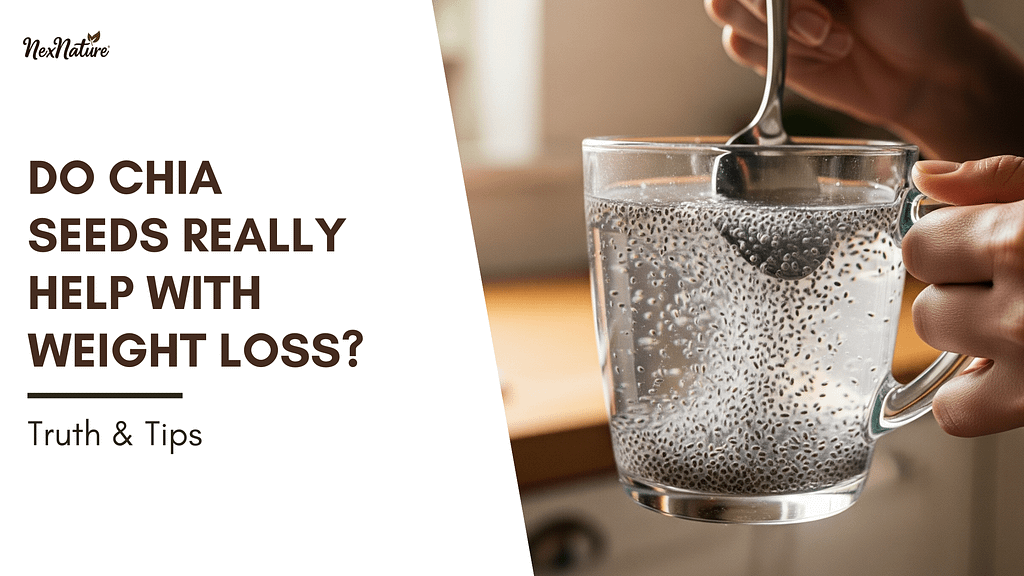
An interesting quality: When chia seeds are combined with liquid, the outer layer will absorb water, and create a gel-like material (it is swelled multiple times its dry size). (Healthline)
Those gel-forming and fiber- and nutrient-rich profile assigns a few characteristics to the chia seeds that appear to be significant weight-loss-wise.
How Chia Seeds Might Help with Weight Loss — Theoretical Mechanisms
This is how the chia seeds could come in handy provided they are used wisely but observe: might.
Satiety & Appetite Control
Since chia seeds swell when moist, they contain a lot of fiber and some amounts of protein, which makes you feel fuller.
The extra calories in that fullness, particularly in combination with the foods such as breakfast yogurt, smoothies or snack may help to lower the total calorie consumption by decreasing the urge to snack and temptation to eat between meals unnecessarily.
Helping Maintain a Calorie Deficit
Caliper comes to weight loss being calories in vs. calories out. Chia seeds contain nutrients (fiber, protein, healthy fats) and moderate calorie content, at least in reasonable quantities – as such, they may substitute the high calorie snacks or foods with no nutritional value.
Blood Sugar Stability & Cravings Control
The fiber + gel effect decelerates the digestion and carbohydrates absorption. That assists in avoiding acute spikes and crashes in blood sugar that tend to cause a desire to eat a sweet or to consume junk food. In theory, therefore, chia seeds could help in the regulation of appetite and overeating.
Nutrition Support + Overall Health (Beyond Just Weight Loss)
Chia seeds are a source of healthy fats (omega-3), protein, fiber, minerals – which can have overall health, digestion, gut health and even heart/ metabolic wellness. That is why they make a good addition to your diet, provided your weight-loss initiative is a bigger health-overhaul.
To the point: chia seeds may be a good supporting actor in a weight-loss narrative – though probably not the main one.
What Science & Studies Say: Mixed Evidence (Not a Magic Bullet)
This is where it becomes somewhat less clear. Although the idea of chia seeds being a weight loss agent appears promising, the research is not consistent on this matter.
- Lots of authorities are doubting: some reviews and studies demonstrate slight loss of waist-circumference or hunger but not the significant loss of body-weight or fat, in case the chia is simply added to usual diet without any calorie regulation.
- Indicatively, a 2014 study, which involved 26 individuals and was conducted in the year 2014, did not show a difference between the condition of chia flour vs. placebo after a period of 12 weeks in terms of weight reduction.
- Conversely, an intervention lasting 6 months involving 77 participants who were overweight/obese and put on a calorie-limited diet reported that those who consumed chia had marginally higher weight loss and a decrease in waist circumference compared to control.
- Recent reviews continue to show mixed or inconclusive results — meaning, chia seeds are not a guaranteed fat-loss Current reviews still indicate conflicting or inconclusive findings -that is, chia seeds are not a good fat-loss cure
Researcher conclusion: chia seeds can be used to help manage weight – but not alone (as a supplement to a healthier lifestyle, diet, calorie deficit). (Medical News Today)
Thus: yes, do chia seeds work on weight loss? — they can make a difference, under specific circumstances, but it is inappropriate to expect any radical outcomes of chia as a singular ingredient.
Risks, Side-Effects & What Many Articles Underplay
Just like any other food or diet trend – chia seeds are not necessarily harmful when abused. These are the things you should remember:
- Digestive problems / constipation: Due to high fiber and gel-forming properties, when you suddenly start taking a lot of chia (or do not take enough water), it may cause bloating, gases or stomach irritation.
- Choking / esophagus or gut blockage is possible: Consuming dry chia seeds or the lack of enough water/liquid may be harmful. They may be choking or obstructive because they are capable of swelling, particularly in individuals who have difficulty in swallowing or poor digestion.
- Excess calories: Yes, chia seeds contain a lot of nutrients, but they also contain calories. Provided you stack them on top of a high-calorie diet (instead of the junky calories), they can become weight gainers rather than weight losers.
- No miracle cure: There are other individuals who believe that one can just sprinkle chia seeds in the diet and the fat will melt off but both the research and dieticians have warned against this because it is not realistic without the main dietary discipline and dietary changes. (Medical News Today)
To sum things up: chia seeds may assist, though it must be done in a reasonable manner and as a component of a balanced strategy.
How to Use Chia Seeds Smartly — Best Practices & Practical Tips
In case you are considering adding chia seeds to your food intake due to the perceived weight-management benefits, this is how you can do it in the most effective and safe way:
Soak First — Don’t Eat Dry
Always pour water, milk, yogurt or a smoothie over the chia seeds and leave them in it at least 10-15 minutes (or overnight) and then eat. This enables them to absorb liquid and make the gel, easier to digest and less risk of choking / blocking.
Stay Hydrated
Due to the high ability of chia to absorb water, you should consume lots of fluids during the day. This assists fiber in performing its work and avoids such problems as constipation or dehydration.
Start with a Small Portion, Gradually Increase
In case you do not eat high-fiber foods regularly, start with 1 tablespoon daily, monitor how your body reacts (digestive comfort, fullness). In case fine- you can add to 1-2 tablespoons daily.
Use Chia as Replacement — Not Addition
Instead of adding chia to the top of an already existing, heavy diet, replace higher-calorie snacks or some other sugary foodstuff with chia-based eats (chia pudding, chia-enriched yogurt / oats / smoothies). In that manner you keep (or even decrease) caloric intake daily and gain benefits.
Combine with Balanced Diet & Active Lifestyle
The use of chia seeds is to be included in a more comprehensive strategy: balanced diet (vegetables, proteins, whole grains), energy consciousness, exercise / physical activity. Relying on chia is not likely to produce significant weight-loss.
Consider Individual Health Conditions
In case of digestive problems, with a swallowing problem, or with the need to take a blood-sugar / blood-pressure medication, one should consult a doctor before regular chia intake.
Use Variety — Not Just Plain Chia Water
Chia seeds are versatile: overnight puddings, shaken in a blender, sprinkled on oatmeal or salad, stirred into daliya / porridge / yogurt – even blended with Indian breakfasts or snacks. This enhances compliance and sustainability of the routine.
Myth-Busting: What Chia Seeds Don’t Do (But Many People Believe They Do)
It’s important to set the record straight — despite all the praise, there are some things chia seeds cannot realistically promise:
- They are not a miracle fat burning seed. Chia does not melt fat or target belly fat, which is evidenced by no evidence. Overall calorie deficit is necessary in weight loss.
- They do not eliminate the necessity of exercise and a healthy diet. Chia supplement to a high-energy junk diet will do little good.
- They do not promise great weight loss or eye-opening outcomes. The literature is both inconclusive and benefits are small.
- They do not necessarily increase metabolism in any significant sense; it is rather the matter of giving you the feeling of being full and preventing overeating rather than burning fat.
What Research Is Missing / Where More Evidence Is Needed
- The limited human research that exists is small, temporary, and offers chia seeds to the restricted calories diets – therefore, the issue as to whether chia is beneficial per se is not answered.
- Long-term effects, especially on visceral fat, metabolic health, gut microbiome, sustainability – the evidence is scanty.
- There is little population-based data (such as diets and lifestyle in South Asian or Indian). The same thing may not apply directly to Western studies.
- It should be improved with reference to the impact of the issue on people with health issues (diabetes, blood pressure, digestive issues).
Bottom line The potential benefits of chia seeds exist but more, larger, long-term research is necessary to use them as an established weight-loss aid.
A Realistic, Balanced Take: Are Chia Seeds Worth It for Weight Loss?
Yes — but with caveats. Chia seeds can be a good ally, however, when they are included in a healthy diet, you are counting calories and preparing them accordingly. They can contribute to satiety, decrease cravings, enhance fiber content and when used to substitute more damaging snacks they will assist you to preserve or slightly lower weight.
However, it is unrealistic to expect miraculous outcomes in case of chia alone. They will not simply make one feel slim, and cannot replace balanced diet, hydration and being active.
FAQ
Q: How many chia seeds should I eat per day for weight loss?
A: 1-2 tablespoons (approximately 15-30 g) per day, moistened in liquid or water are a good initial dose. That provides fiber, nutrients and volume/ fullness – without the excessive calories.
Q: Can I eat chia seeds dry and instant with water?
A: It’s not recommended. Dry chia seeds can swell and absorb water in your throat or esophagus – which could be life threatening by choking or any blockage. It is always important to soak them first and consume a lot of fluids.
Q: Will chia seeds reduce belly fat specifically?
A: No credible research exists that chia seeds are a direct toward the belly fat. They can assist in lowering total appetite and calorie consumption – however, weight loss of the belly fats is based on reducing total body-fat through calorie deficits and physical exercise.
Q: Are there any people who should avoid chia seeds?
A: Individuals having problems with their digestive system (constipation, IBS), problems with swallowing, or those who are on some blood-sugar or blood-thinner drugs need to speak with a physician before they start consuming chia regularly.
Q: When is the best time to eat chia seeds?
A: It is possible to add them to breakfast (yogurt, oatmeal, smoothie), in the middle of the day, and even during the evening meals. It is more about consistency and being hydrated, than having a perfect time.
Sample Day Plan, Using Chia for Balanced Diet
Here’s how you can incorporate chia seeds smoothly into a daily meal plan (assuming modest calorie control):
| Meal | What to include (with chia) |
|---|---|
| Breakfast | Overnight chia-yogurt pudding (2 tbsp chia + low-fat yogurt + chopped fruit) + a cup of green tea |
| Mid-morning snack | Fresh fruit + a small handful of nuts |
| Lunch | Dal + whole-wheat roti + vegetable sabzi + salad (sprinkle 1 tbsp chia seeds on salad) |
| Evening snack | Chia-water or chia-infused buttermilk (soaked chia in water + lemon + salt) |
| Dinner | Brown-rice or millets + sabzi + salad / raita (sprinkle chia) |
| Water intake | 2.5–3 liters water throughout day (important if you’re eating fiber-rich chia) |
This kind of balanced approach — combining local meals with chia seeds — may improve dietary adherence without feeling like a “diet sacrifice.”
Conclusion
Thus, is weight loss helped by chia seeds? Yes, but with the mentality of reality. They may prove to be an aid in your weight-management kit: adding fiber, increasing satiety, reducing cravings, and enhancing nutrient consumption, but it is not a magic pill. Be clever with them: hydrate them, use them, soak them, prepare balanced meals, monitor calories, and exercise.