We can tell the truth now, inflammation is that silent disturbance of your body. It does not happen in front of your eyes but in the long run it gradually cuts off at the health. The joints begin to ache, the stomach is achy, energy is lost and you are wondering why you think everything is more difficult than it needs to be.
And this is the good news, some of the most basic foods lying lifeless in your pantry can assist in striking back. We refer to those anti-inflammatory seeds – small nutritional superstars which can be not so impressive to the eye but be of significant health power.
These tiny seeds are rich in omega-3 fatty acids, antioxidants, and fiber that contribute towards natural soothing of inflammation. This guide will cover the most effective anti-inflammatory seeds, covering how to use them, why they are so effective and how to use them.
What Are Anti-Inflammatory Seeds?
Anti-inflammatory seeds have certain compounds that aid to relieve inflammation in your body. You should think of them as little maintenance teams who are in the background to take care of your health.
They work primarily through three mechanisms:
The omega-3 fatty acids inhibit inflammatory mechanisms and provide a balance to the inflammatory response of your body. Plant antioxidants Polyphenols – defence against oxidative cell damage that causes inflammation. Fiber helps in keeping the gut healthy, a place where a large portion of your immune system is located and inflammation tends to start.
These work together to minimize the oxidative stress and inflammatory markers in your body. Studies indicate that chia seeds, such as, have the potential to decrease C-reactive protein (CRP)- a primary inflammation biomarker that is related to chronic diseases.
Why Chronic Inflammation Matters
The body process of as inflammation is not necessarily evil, it is a natural reaction of your body to trauma or disease. But low grade, chronic inflammation? It is where grave issues arise.
Recurring inflammation is associated with arthritis and joint soreness, heart illnesses and cardiovascular diseases, diabetes type 2 and malnutrition, digestive disorders and bowel inflammation, and quicker aging.
This is where anti-inflammatory seeds come in – not as some magic medicine, but rather as a tool that you use every day to help your body to be in a better balance.
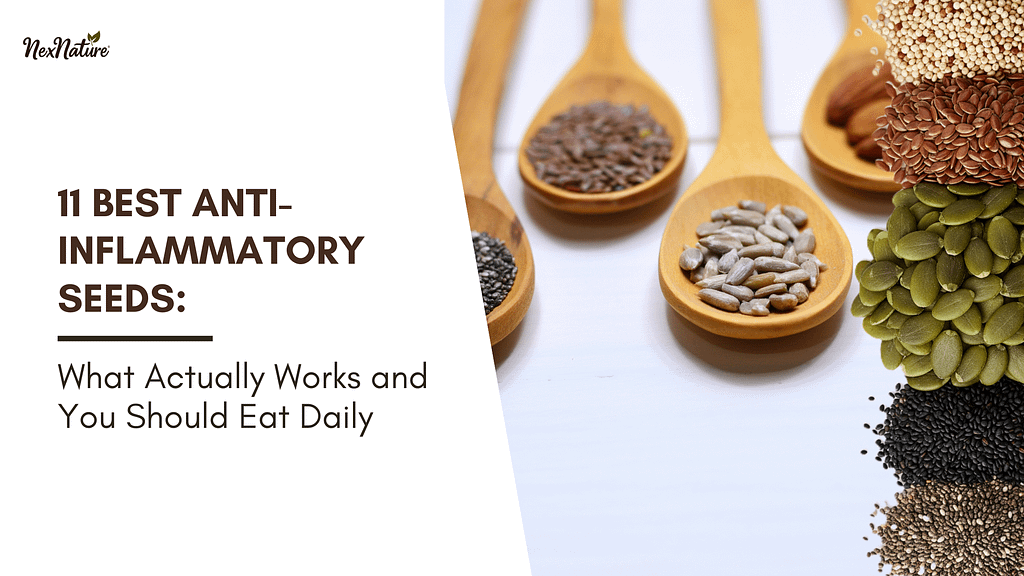
11 Best Anti-Inflammatory Seeds
Going further, let us examine the seeds that lower inflammation to the greatest extent and which should be included in your daily menu:
1. Flax Seeds – The Omega-3 Champion
The flax seeds are some of the strongest anti-inflammatory seeds. They are rich in ALA (alpha-linolenic acid) which is a plant-based omega-3 and lignans – which are unique compounds containing anti-inflammatory and antioxidant properties that help to maintain heart health.
Important hint: It is necessary to eat ground flax seeds. The entire seeds do not get digested in your digestive system and this means that you are not in a position to take advantage of the benefits of the seeds.
2. Chia Seeds – Fiber and Antioxidant Powerhouse
Chia seeds feature in all the lists of the best anti-inflammatory seeds not in vain. They contain sufficient fiber and omega-3s and should be used to lower the level of CRP and to maintain the health of the gut. Wetting them will make them gel up and delay the digestion process, regulating the blood sugar levels.
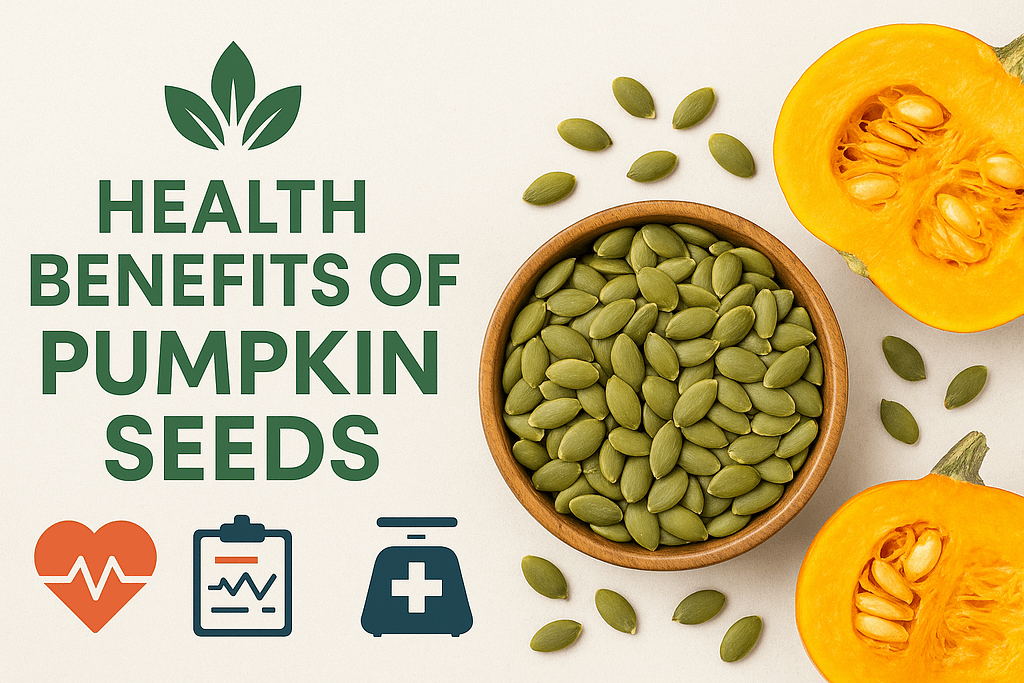
3. Pumpkin Seeds – Mineral-Rich Immunity Booster
Pumpkin seeds contain large concentrations of magnesium and immune building substances and are often underestimated. They are notably efficient in the mitigation of oxidative stress and anti-inflammatory actions on the whole.
4. Sesame Seeds – The Hidden Anti-Inflammatory Gem
Sesame has sesamin, a lignan that is known to decrease inflammation and maintains the health of cardiovascular systems as well as preventing oxidative damages.
5. Sunflower Seeds – Vitamin E Protection
Sunflower seeds contain high levels of vitamin E, which is an excellent fat-soluble antioxidant and it shields cells in the body against cellular inflammatory damage.
6. Hemp Seeds – Perfectly Balanced Omega Profile
The hemp seeds provide the perfect balance of omega-3 to omega-6, which is why they are the perfect choice of the seeds in terms of combating inflammation. They help the muscles recover and also tend to mitigate inflammation in the body without too much omega-6 which some seeds contain.
7. Basil Seeds (Sabja) – Cooling Anti-Inflammatory
Not commonly used in Western food, basil seeds are natural cooling foods that support digestion and aid with digestion as well as inflammation in the gut.
8. Watermelon Seeds – Surprising Mineral Source
Do not waste them – watermelon seeds are a good source of zinc and have anti-inflammatory properties, which promotes immune health.
9. Fennel Seeds – Digestive Anti-Inflammatory
Fennel seeds are not only a breath freshener, but also are used to aid in the digestive system, to fight bloating, and to cool gut inflammation.
10. Pomegranate Seeds – Polyphenol Powerhouse
They contain high levels of polyphenols and contain strong antioxidant activity which can be used to protect against chronic inflammation.
11. Melon Seeds – Emerging Anti-Inflammatory Option
Extensive scientific attention is given to melon seeds as potent anti-inflammatory foods which are highly protein and mineral-contain and can assist in metabolism and healing.
Comparing Top Anti-Inflammatory Seeds
Learning about differences makes you make the right decision:
Chia seeds are very strong in terms of fiber content and support of gut health. Flax seeds contain maximum omega-3 in plants. Pumpkin seeds are more nutritious in terms of minerals and immunity.
Studies affirm that chia, as well as flax is helpful in maintaining the heart and digestion. No victor – variety is always best in your body.
How To Use Anti-Inflammatory Seeds Daily
It is not so much about knowing what to eat but how to eat it. Here’s practical guidance:
Easy ways of incorporating: Add ground flax or chia in morning smoothies, sprinkle any seeds onto salads, add all sorts of seeds to yogurt or oatmeal, add to energy balls or self-made granola bars.
Important preparation advice: When adding more chia seeds to your diet, always hydrate them (10-15 minutes minimum) and grind flax seeds fresh in order to absorb the best, drink lots of water when adding more of the seed, and diversify the type of chia in your diet.
Timing and Portion Guidelines
Optimal time: Morning drinking is associated with increased digestion and it offers the person energy all through the day. The evening usage has the potential to facilitate overnight recovery and diminish the inflammation.
Dosage: 1-2 tablespoons per day offers effectively without upsets to the digestive system. Studies indicate that about 15 grams or approximately 1 tablespoon of chia seeds is effective.
Common Mistakes to Avoid
Even with healthy foods, mistakes reduce effectiveness:
Do not eat whole flax seeds they do not get digested. Do not omit the soaking of chia seeds, dry ones may lead to intestinal dysfunction. Eat in moderation – too much is not necessarily good. Don’t also forget hydration, this is how the seeds take in water, eat plenty of water.
Who Should Exercise Caution
Although usually not harmful, there are individuals, who need to meet with healthcare providers prior to adding large quantities of seeds:
- Individuals who have known allergy or sensitivity to seed.
- Individuals with digestive system disorders such as IBS or Crohn disease.
- Everyone who takes any anti-clotting medications (omega-3s)
- Individuals, who have certain health problems necessitating food limitations.
Seeds for Specific Health Goals
In the case of arthritis and joint pain: Give attention to flax and chia seeds because of their high content of omega-3.
To improve gut health: Basil, fennel, and chia seeds promote gut health.
To keep the heart healthy: Flax and sunflower seeds have cardiovascular benefits.
To lose weight: Chia and basil seeds increase satiety.
FAQs
Which seed is best for inflammation?
Flax seeds will tend to top the lists because of unprecedented omega-3 in it, but a mix of various kinds brings more extensive benefits.
Can I eat anti-inflammatory seeds daily?
Yes, not more than 1-2 tablespoons a day in proper quantity with sufficient amount of water is safe and healthy to most people.
Do seeds really reduce inflammation?
Studies indicate that they are effective to lower the levels of inflammatory factors such as CRP, however, they are complementary, not exclusive.
How long before seeds reduce inflammation?
The majority of the individuals find the benefits in 2-4 weeks of regular usage during the day and in the combination with the general healthy diet.
Are roasted seeds still anti-inflammatory?
Yes, but uncooked or barely cooked ones preserve the majority of the nutrients. Eschew over-processed and salty ones.
The Bottom Line
And in case you care about alleviating the effects of inflammation naturally, start eating anti-inflammatory type of seeds on a regular basis. They are not magic bullets but are good companions on your health journey.
True health is not made in a day – it is the result of small and steady, powerful habits applied one day at the time. Incorporating one or two portions of these nutrient-rich seeds is precisely such an habit: It is simple, sustainable, and scientifically proven.
Begin with one or two types that you like most. Perhaps add ground flax to your morning smoothie, or soak chia seeds in your afternoon yogurt. It is best to build gradually, remain regular and allow your body to adapt.
Your knees, your heart, your stomach and your health, in general, will be grateful to this modest, but remarkable improvement to your daily food.